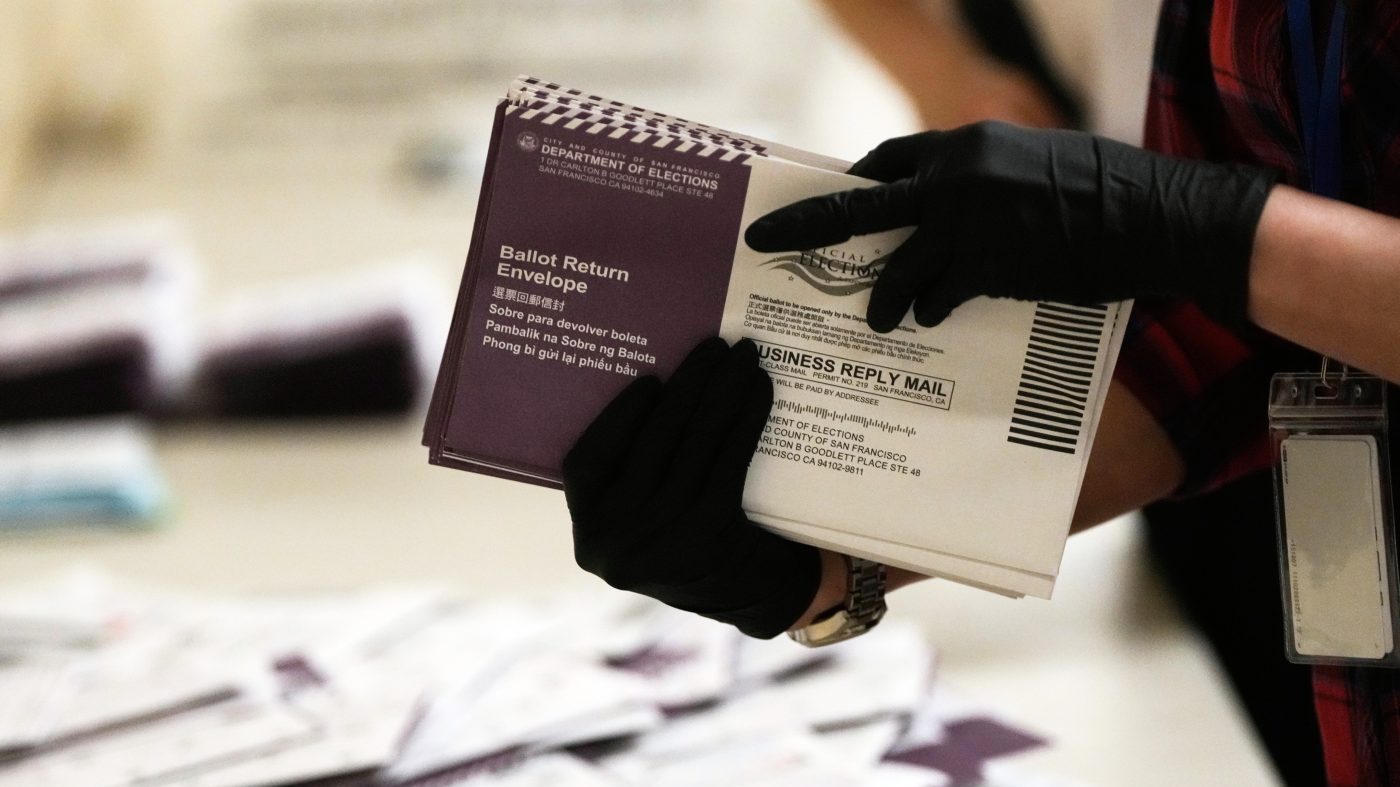
A federal judge in California on Friday ordered the Trump administration to cease its threats of criminal prosecution against election officials as part of its push to purge noncitizens from voter rolls. The temporary restraining order, issued by U.S. District Judge Trina Thompson, came in response to a lawsuit filed by unions representing California election workers.
Judge Thompson, a Biden appointee, noted that Election Day is "around the corner" and that ballots have already been distributed and processed. "Given the consequences of inaction, the Court sees no reason to delay its ruling," she wrote.
The order also prohibits the administration from forcing election workers to remove voters from rolls, deny ballot requests, or set aside ballots for individuals suspected of being noncitizens. The plaintiffs include the Service Employees International Union, the American Federation of State, County and Municipal Employees, the League of United Latin American Citizens, and the NAACP.
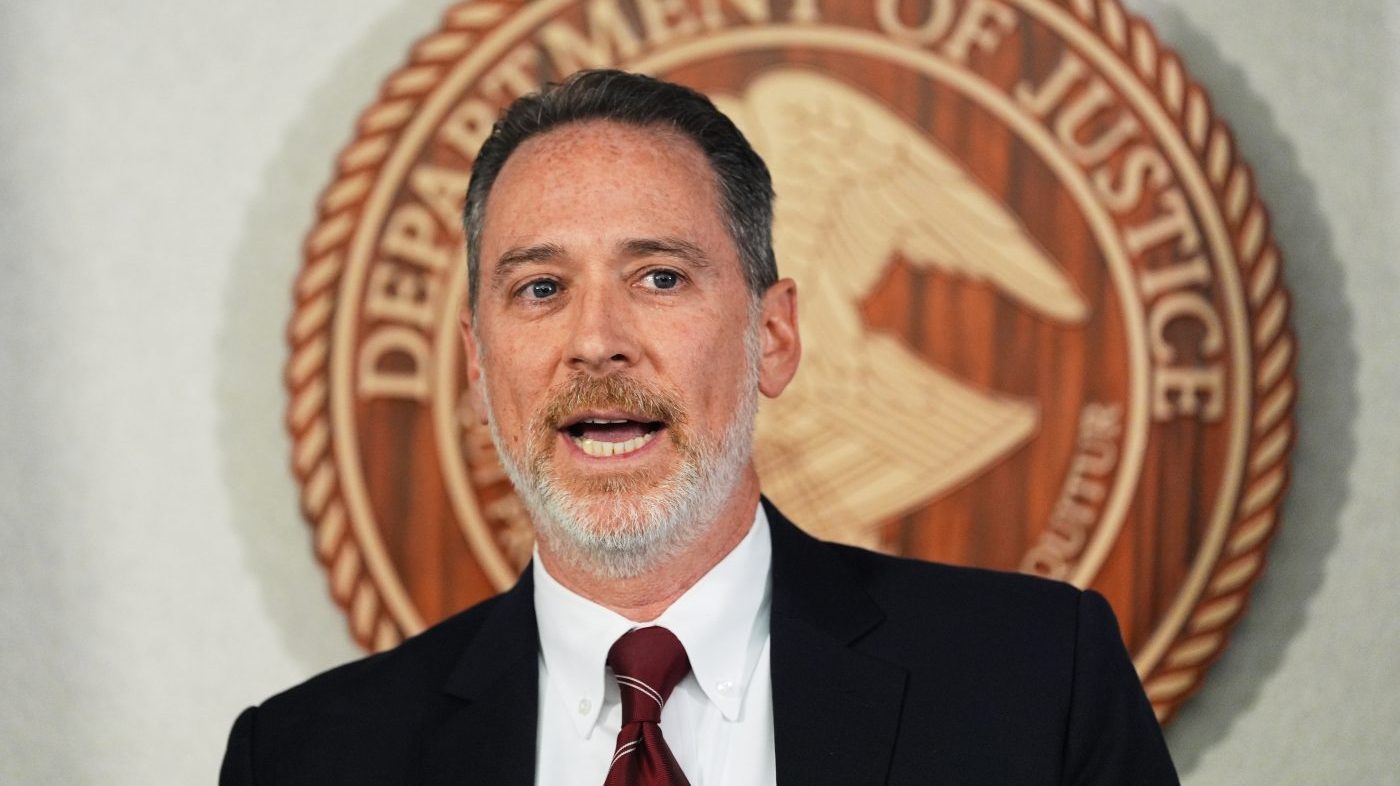
The lawsuit accuses Attorney General Todd Blanche and other top Justice Department officials of conducting "a coordinated campaign to intimidate, threaten, and coerce state and local officials and employees." This week, the DOJ sent letters to election officials in all 50 states warning of potential prosecution if they failed to preserve election records.
Earlier, the DOJ had sent similar letters to California counties, demanding cooperation in identifying potential noncitizens on voter rolls and warning of "significant federal scrutiny" for noncompliance. This move is part of a broader federal effort that has faced multiple legal setbacks.
Earlier this week, another federal judge threw out the administration's attempt to force California to set aside ballots of 20,000 suspected noncitizens. A split appeals court panel upheld that ruling on Friday. The administration's tactics have drawn sharp criticism from voting rights groups and state officials, who argue they are designed to sow chaos and suppress legitimate voters.
The ruling is a significant blow to the administration's efforts to tighten election enforcement, which critics say are politically motivated. The DOJ and the White House have not yet commented on the order. This legal battle underscores the ongoing tension between federal and state authorities over election administration, a theme that has also played out in other states, such as Arizona's rejection of similar federal pressure.
As the election approaches, the dispute highlights the high stakes of voter roll management and the potential for last-minute litigation to affect the electoral process. The ruling may also signal how courts are likely to view similar actions in other jurisdictions, especially given the final campaign push by the president and his allies.