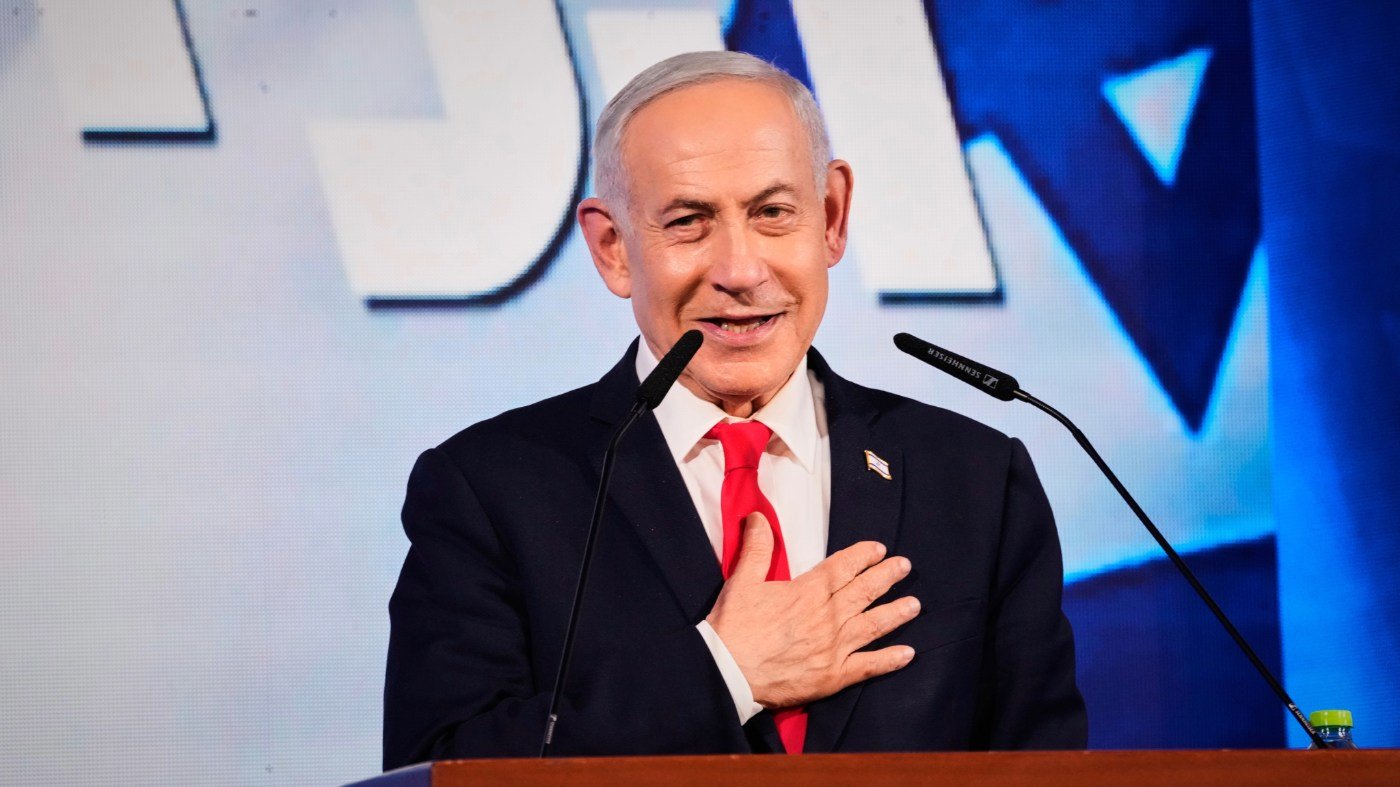
Israel's recent election delivered a fragmented verdict, with voters turning out in record numbers but leaving the country's political future uncertain. Coalition talks could drag on for weeks, or the nation might face another round of voting. Prime Minister Benjamin Netanyahu lost his parliamentary majority, yet he could still retain power through a unity deal with rival factions.
For Americans, the outcome in Jerusalem matters more than it might seem. Netanyahu's influence helped persuade former President Trump to back Israel's military campaign against Iran's regime—a war that continues to strain US resources and drive up costs for American families. The conflict, now in its second year, has also exposed the fragility of America's long-standing role as Israel's security guarantor.
After the Hamas attacks on October 7, 2023, sympathy for Israel surged in the US, drawing comparisons to 9/11. But Netanyahu's right-wing government squandered that goodwill. The devastating assault on Gaza, the unresolved war with Iran, and state encouragement of settler violence in the West Bank have pushed Israel into deeper isolation, especially in Europe. British Foreign Secretary Ed Miliband recently declared Israel's occupation of the West Bank illegal and threatened sanctions against settlements.
Public opinion in the US is shifting dramatically. A Chicago Council on Global Affairs poll found that a majority of Americans—56 percent—now favor cutting or ending military aid to Israel, a historic low in support. YouGov data shows 41 percent of Americans, including 62 percent of Democrats, believe Israel is committing genocide in Gaza. Among voters under 30, sympathy for Palestinians now outpaces that for Israelis, a generational reversal that bodes ill for the future of the alliance.
The erosion of support is concentrated among Democrats, independents, and younger voters, while Republicans and evangelicals remain more favorable, though their enthusiasm has cooled. Trump's full-throated endorsement of Netanyahu does not reflect the broader electorate: 59 percent of voters, including 76 percent of Democrats, have little confidence in the Israeli leader.
Israel has become entangled in America's polarized politics, and Netanyahu's tactical alignment with Trump has come at a strategic price—the fracturing of the bipartisan consensus that has underpinned US support for decades. Repairing that breach will be difficult, as hostility toward Israel grows on both political extremes. On the right, figures like Tucker Carlson platform antisemites and Holocaust revisionists, while on the left, campus activists have fueled a wave of anti-Israel bigotry that often shades into antisemitism.
Some Muslim Democrats, like New York City Mayor Zohran Mamdani, have also mainstreamed anti-Israel rhetoric, using commemorations of the October 7 massacre to focus on Israel's alleged genocide rather than Hamas's atrocities. This trend, combined with the broader polarization, leaves Israel in a precarious position.
Whatever government emerges from the coalition talks, it cannot rely on a weakened US president who will leave office in two years. New leaders must rebuild broad American support by breaking with the annexationist right, engaging Palestinian leaders on the future of Gaza and the West Bank, and reconnecting with the Democratic Party, where most US Jewish voters still reside. Netanyahu, who has shown himself unwilling or unable to do this, is the wrong person for the job.
As Israel's isolation deepens, the next government's choices will determine whether it can reverse the slide and preserve the alliance that has been central to its security for decades.