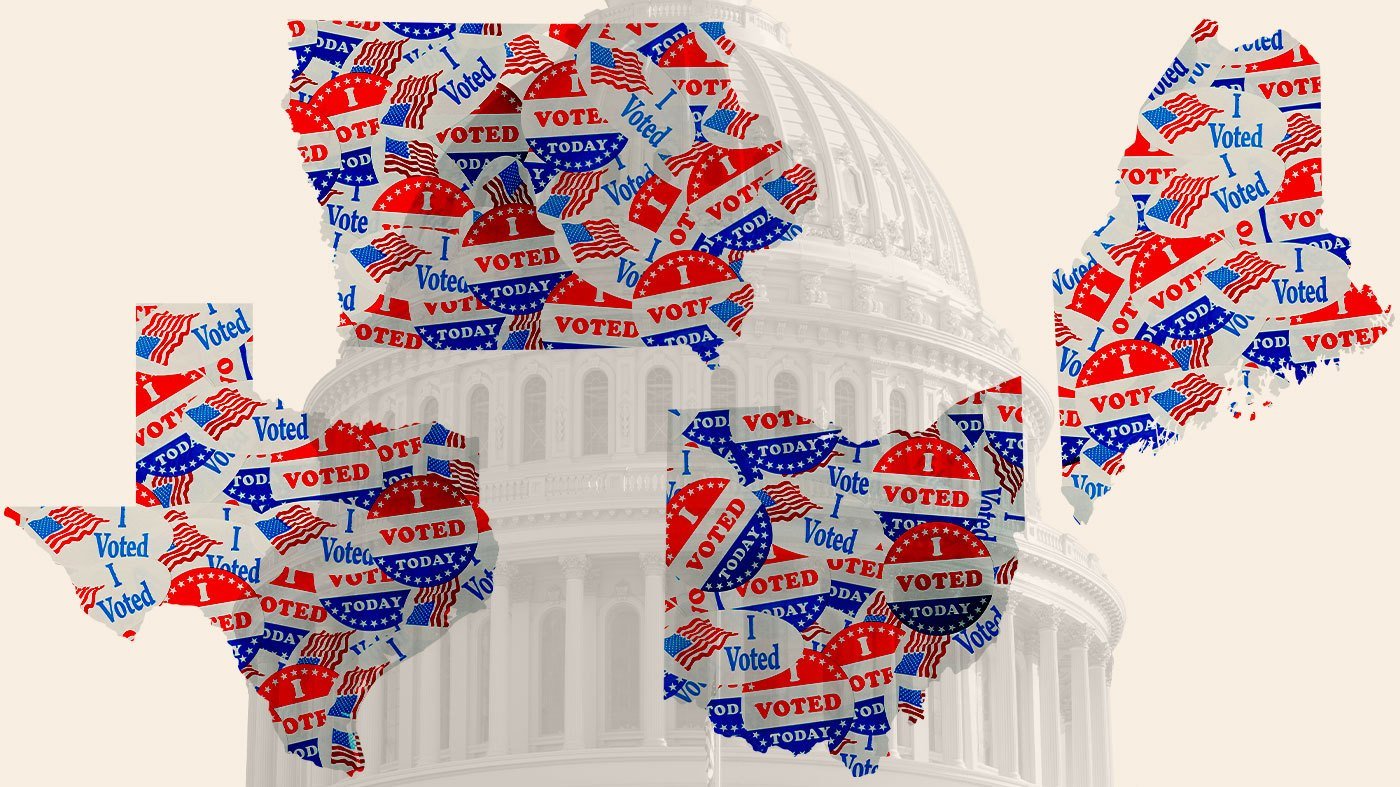
With the midterm elections just days away, polling data consistently indicates that Democrats are well-positioned to reclaim control of the House of Representatives, and several surveys give them a credible, if narrow, path to flipping the Senate. But veteran political observers caution that the electoral landscape may be less favorable to the left than the numbers suggest.
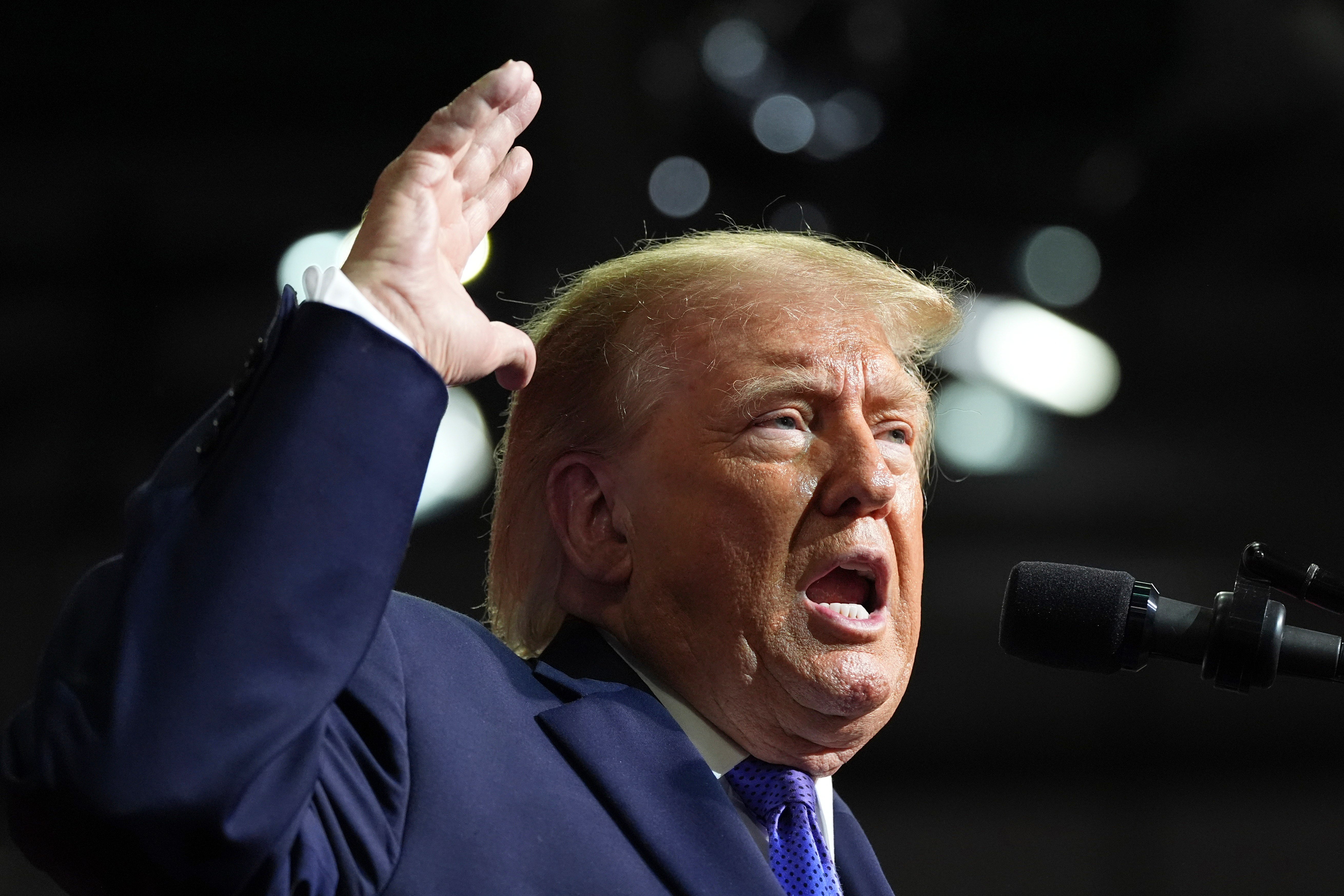
The Republican Party faces a significant headwind, as control of the White House, Senate, and House places the burden of accountability squarely on its shoulders. Voters frustrated with inflation, high grocery and gas prices, and the ongoing conflict with Iran may not accept the administration's attempts to blame external factors. The president's repeated assertion that voters should treat the midterms as if he himself were on the ballot has only intensified the focus on his leadership.

Indeed, the 2020 and 2024 presidential elections were marked by a substantial number of voters who cast ballots primarily to oppose Donald Trump rather than to endorse his opponents. That anti-Trump sentiment, which some analysts believe has grown during the current term, could be a decisive force on Nov. 3. Many Republicans acknowledge that the party is losing support among independents, younger voters, minorities, and even some faith-based communities, largely due to the president's polarizing effect.
While the administration points to achievements such as lower crime rates, a secure border, energy independence, and the creation of nearly 70 million Trump Accounts for children, these accomplishments appear to resonate less with voters struggling with stagnant paychecks and unaffordable housing. The disconnect between macro-level successes and everyday economic hardship is a recurring theme in this cycle.
Despite the GOP's internal optimism, the polls continue to favor Democrats, who have hammered the affordability issue even as their own policy proposals remain vague. The party has offered few concrete solutions, but the political momentum seems to be on their side.
As the campaign enters its final stretch, the president has announced virtual rallies in 19 states, hoping to energize the base. Yet, the broader electorate appears more concerned with kitchen-table issues than with the president's rallies. Even the administration's push for permanent daylight saving time has stalled in the Senate, underscoring the legislative challenges ahead.
Some political analysts see Mark Kelly's rising profile as an anti-Trump Democrat as a sign of the party's broader strategy to capitalize on opposition to the president. Meanwhile, the Republican focus on anti-fraud efforts in Minnesota suggests concerns about turnout and voter confidence.
Whether these dynamics translate into a blue wave or merely an anti-Trump surge remains to be seen. The electoral pendulum, which often swings by narrow margins in key districts, appears to be leaning left at the moment. But as Douglas MacKinnon, a former White House and Pentagon official, notes, the Democrats' lack of substantive policy answers could yet undermine their expected gains.
Come Nov. 3, the results will reveal whether the electorate's anger at the status quo is enough to overcome the absence of clear alternatives. For now, both parties are bracing for a long night.