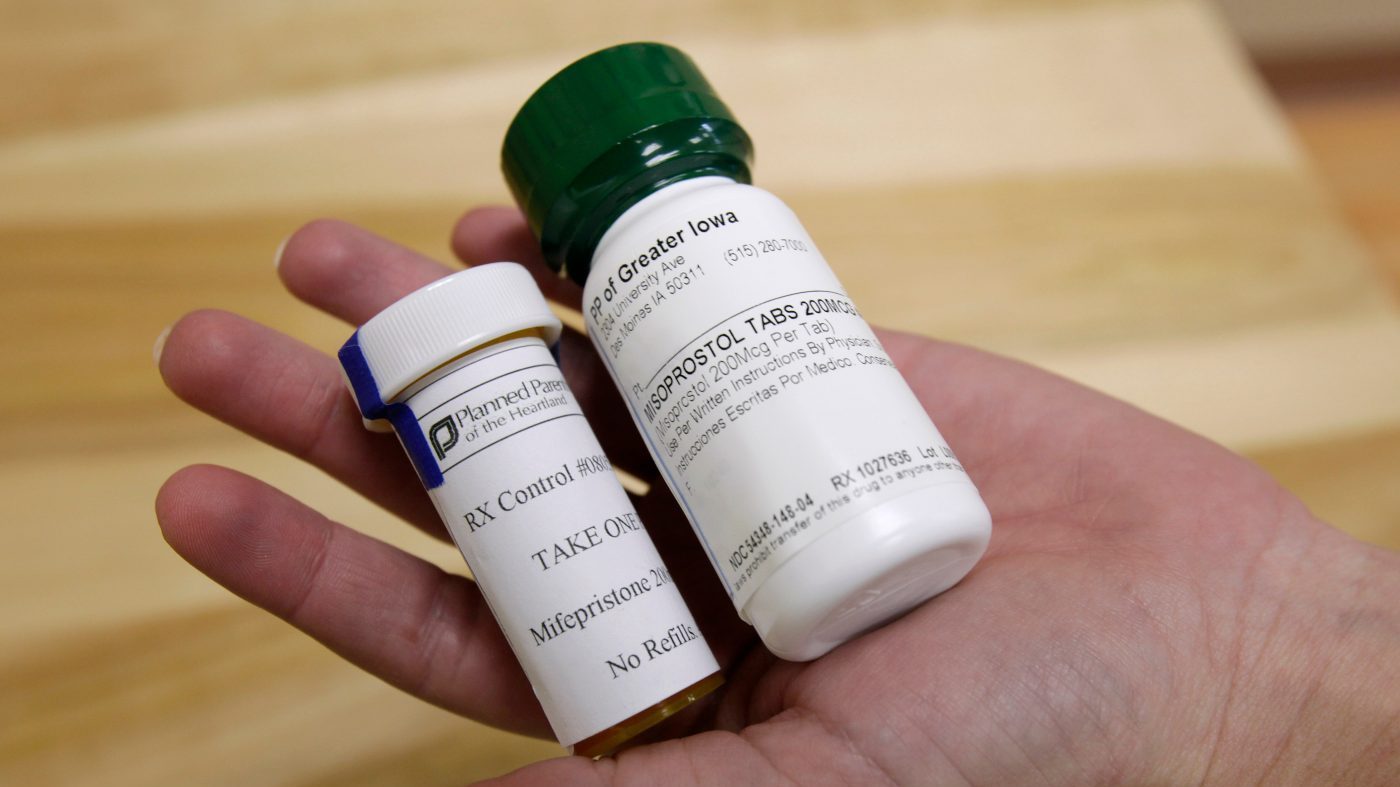
A divided federal appeals court on Friday put on hold a lower court's decision that would have allowed abortions in Idaho when a doctor determined it was medically necessary to safeguard the mother's health. The ruling by the 9th U.S. Circuit Court of Appeals marks a significant setback for abortion rights advocates in the state, which has one of the nation's most restrictive abortion laws.
In a 2-1 decision, the appeals court found that Dr. Stacey Seyb, an Idaho physician who challenged the state's near-total abortion ban, was unlikely to succeed on her claim that a constitutional right to a health-saving abortion exists. The majority relied heavily on the U.S. Supreme Court's 2022 Dobbs v. Jackson Women's Health Organization decision, which overturned Roe v. Wade and declared that the Constitution does not protect abortion rights.
Idaho was among thirteen states that enacted near-total abortion bans following the Dobbs ruling, according to the Center for Reproductive Rights. Abortion is also restricted in an additional nine states, creating a patchwork of laws across the country.
The appeals court's action applies to an 81-page ruling issued in August by U.S. District Judge Lynn Winmill, who had initially blocked enforcement of the state law against Dr. Seyb. In its decision, the appellate panel wrote, "We think it unlikely that Dr. Seyb will be able to square the district court's perspective on the history and tradition concerning abortions with the Supreme Court's perspective in Dobbs."
Circuit Judges Kim Wardlaw and Consuelo Callahan formed the majority. Judge Wardlaw, a Clinton appointee, wrote a concurring opinion acknowledging that the appeals court is "bound by the decisions of the Supreme Court." She added, "As such, in light of the Dobbs majority opinion, I join Judge Callahan in concluding that Defendants have shown a likelihood of success on the merits."
In a sharp dissent, Circuit Judge Marsha Berzon argued that the Supreme Court's 2022 decision applied only to elective abortions, not to cases where a pregnancy poses a serious health risk to the mother. She warned that the majority's ruling could force women to "continue their pregnancies at serious, permanent risk to their health." Berzon wrote, "The risk, absent the injunction, to Dr. Seyb's pregnant patients of serious and lasting harm short of death is definitionally a risk of irreparable injury."
The decision comes amid ongoing legal battles over abortion access in conservative states. Earlier this year, a federal judge ruled that Louisiana's top prosecutor was illegally in office, a case that has drawn national attention. Meanwhile, the Supreme Court has yet to clarify the scope of Dobbs in cases involving medical emergencies, leaving lower courts to grapple with conflicting interpretations.
For now, Idaho's abortion ban remains in effect, and Dr. Seyb's case will continue in the lower courts. The appeals court's decision does not resolve the underlying constitutional question but indicates that the legal landscape remains unsettled as courts nationwide weigh the limits of Dobbs.