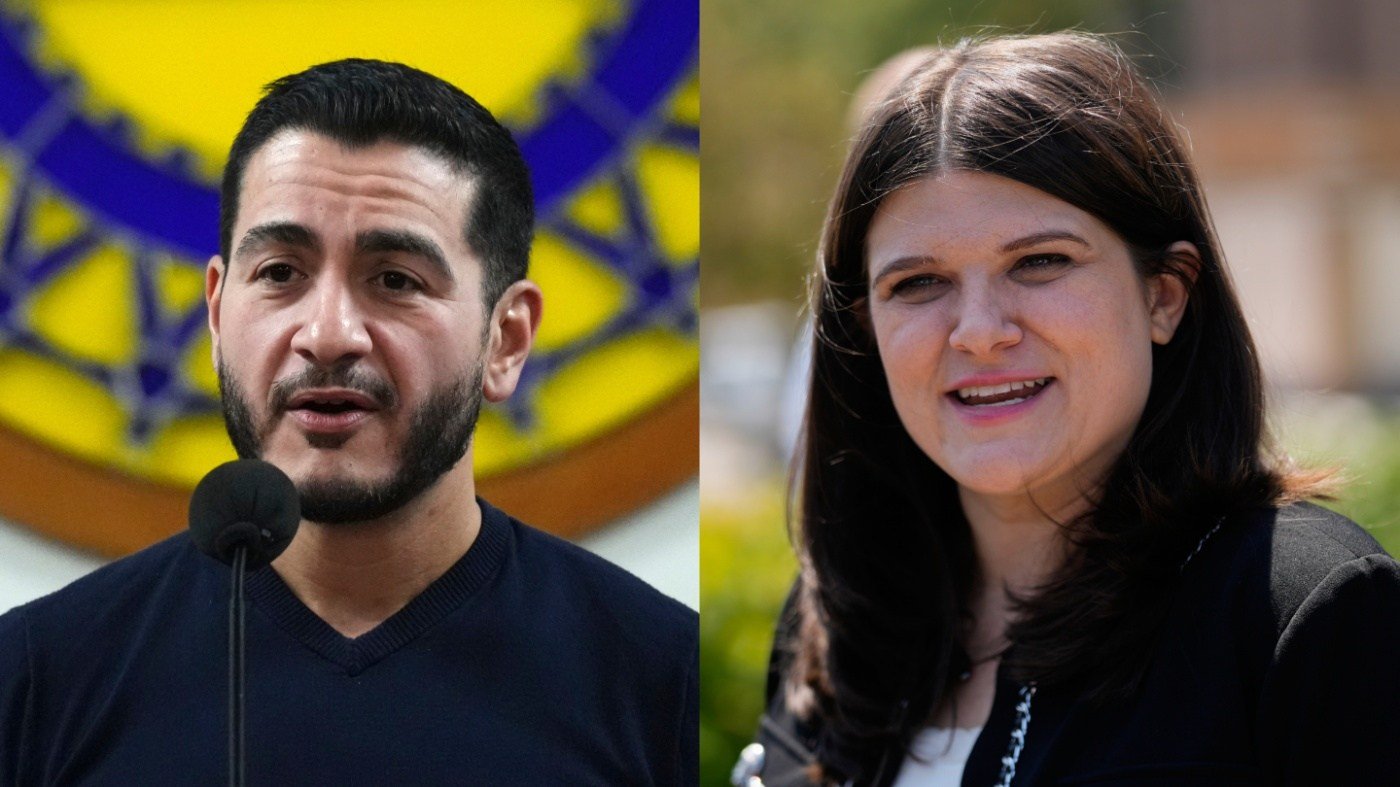
Michigan Senate candidate Abdul El-Sayed (D) is pushing back against former primary rival Rep. Haley Stevens (D-Mich.) after she demanded he apologize for his remarks on Israel, as the two prepare to share a stage for the first time since their contentious August primary.
In a statement posted to X, El-Sayed accused Stevens of "relitigating a primary that ended three months ago" and redirected attention to the general election: "Let's all focus on the task at hand: that's beating Mike Rogers, holding Trump accountable, and getting money out of politics."
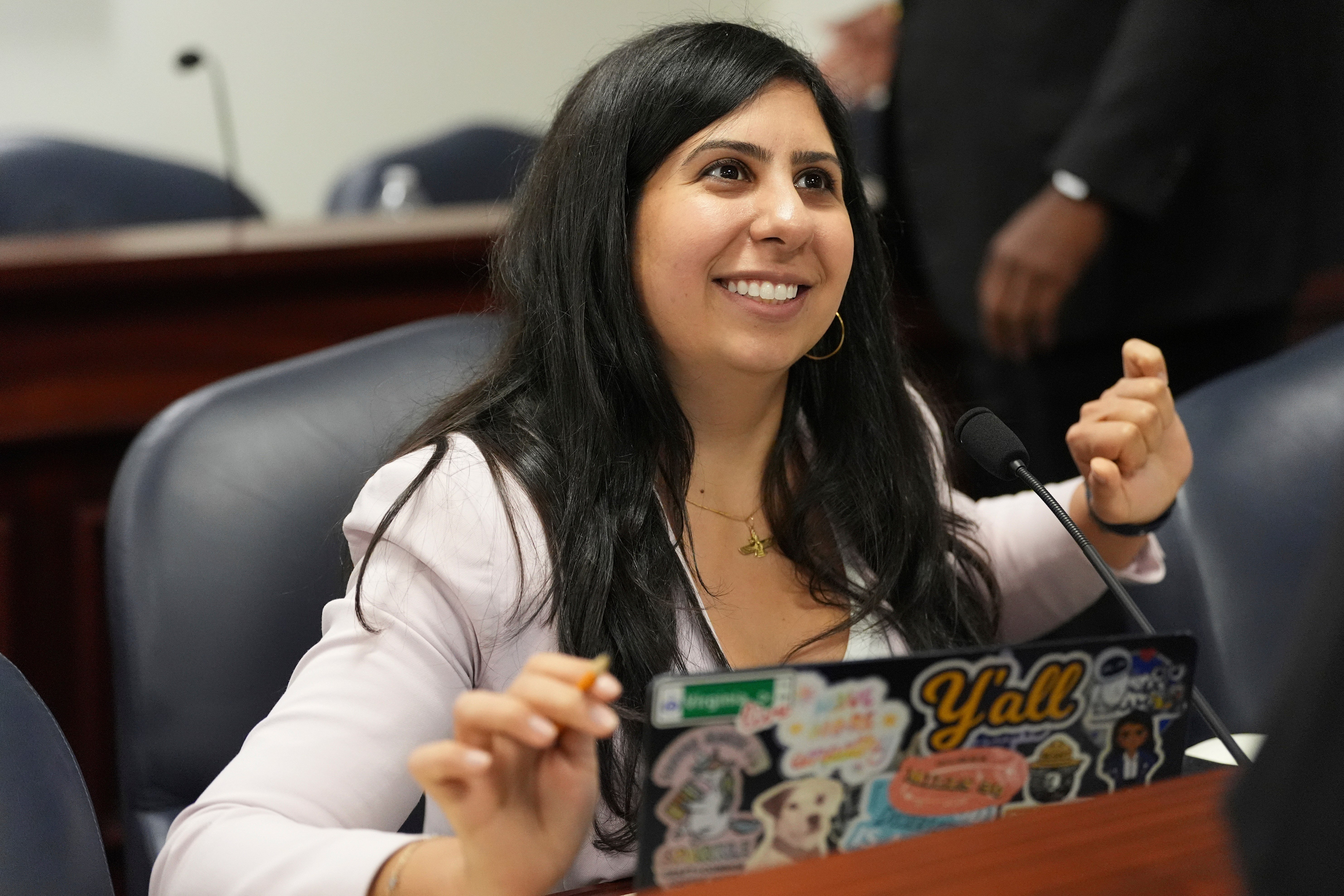
The clash stems from an advertisement that linked Israel to high U.S. grocery prices, which Stevens argued El-Sayed did not denounce forcefully enough. In a Friday statement, she said the ad "dramatized" arguments El-Sayed has made throughout his campaign, including that "Israel is the reason Michigan cannot afford schools, healthcare, and child care." She added, "I therefore expect him to apologize for those statements as well."
The Israel issue was a flashpoint in the primary, with Stevens receiving millions from pro-Israel lobbying groups. Since then, she has endorsed El-Sayed, but her fiancé, who is Jewish, recently said he would vote for Republican Mike Rogers. Stevens reaffirmed her support for El-Sayed in a CNN interview Wednesday but acknowledged that some Michigan voters are "hurt" and "confused" by the ad.
El-Sayed's response underscores the delicate balance Democrats face in Michigan, a state with a significant Arab American and Jewish population. Rogers has actively courted disaffected Democrats, particularly Jewish voters, as part of his strategy in a Democratic-leaning year. The dynamics are reminiscent of broader Democratic infighting that could foreshadow future primary battles.
Stevens has accepted an invitation from Rep. Jim Clyburn (D-S.C.) to appear alongside El-Sayed at a Detroit church service on Sunday. The joint appearance, which would be their first since the primary, is now uncertain. Stevens has backed El-Sayed despite her fiancé's GOP switch, but the new dispute could strain that support.
The controversy also highlights the broader national debate over Israel and U.S. policy, with Democrats seeing both hope and risk in Israel's fragmented vote. El-Sayed's campaign has focused on economic populism, arguing that corporate greed and political corruption, not Israel, are the root causes of high prices. In a recent stunt proposal, he offered to take a lie detector test if Trump did, signaling his willingness to engage in unconventional tactics.
As the race enters its final stretch, the question is whether Stevens and El-Sayed can present a united front against Rogers. The Hill has reached out to both campaigns to confirm whether the Detroit appearance will proceed as planned.