With winter and Election Day converging, Democratic Senate candidates in Maine, Alaska, and New Hampshire are seizing on the sharp rise in home heating costs, turning an economic pain point into a central campaign weapon against Republican incumbents.
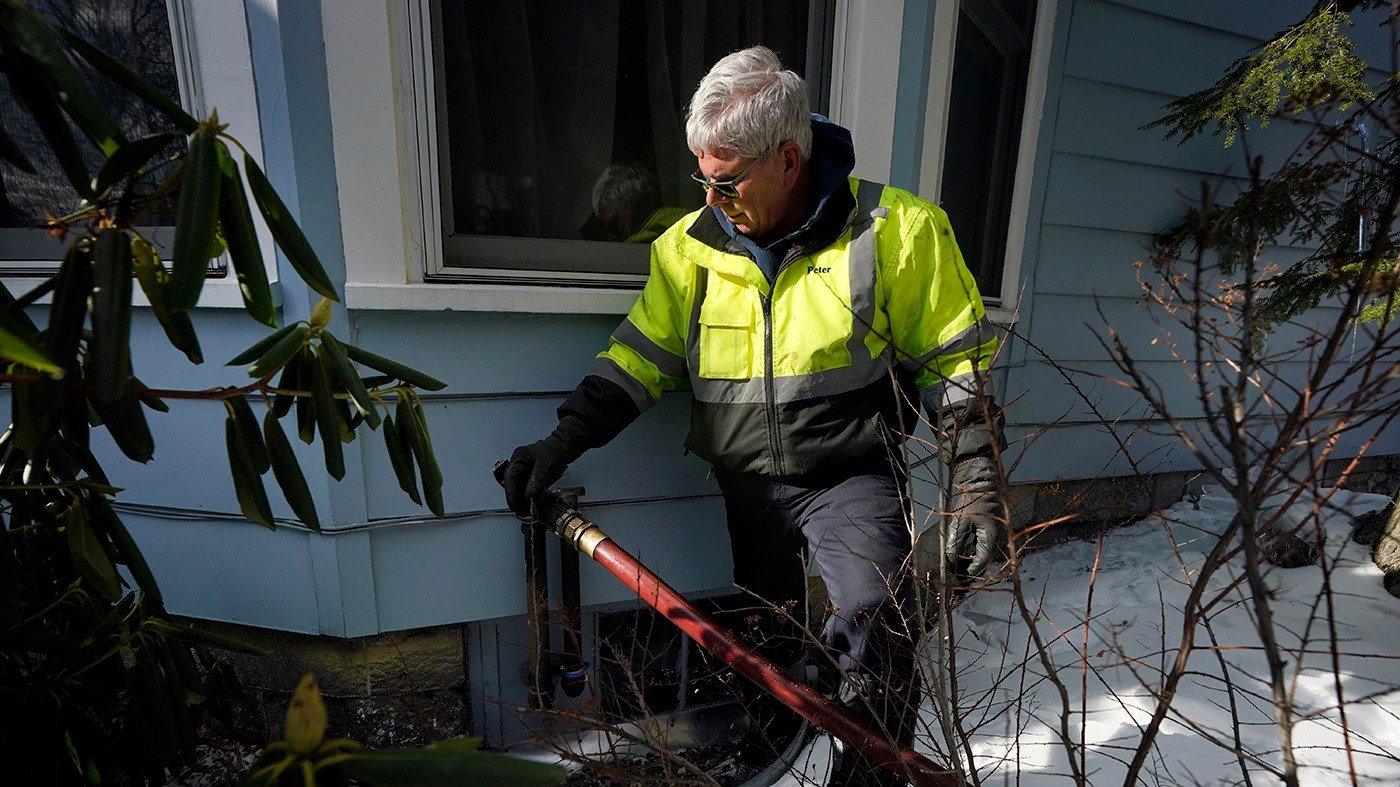
The average price of residential heating oil has climbed from under $4 per gallon before the Iran conflict to more than $6 today, a jump that has reverberated across northern states where cold weather is a certainty. Democrats argue that GOP lawmakers have rubber-stamped President Trump's military escalation, which they say has fueled the price surge.
"There are a lot of people here who are stretched pretty thin, and home heating costs are an issue even during the best of times," said Mark Brewer, chair of the political science department at the University of Maine. "So when we're talking about a spike like this, it's a huge issue."
The political stakes are significant. Decision Desk HQ currently gives Democrats a narrow edge to flip the Senate, and the party is leveraging voter frustration over high energy bills in several battleground states. Recent polling has shown Democrats gaining ground in both Maine and Kansas Senate races, and the heating oil issue is likely to amplify that trend.
Republican candidates in the three states have largely stayed quiet on the topic. The Hill's requests for comment from the GOP Senate hopefuls in Maine, New Hampshire, and Alaska were either declined or went unanswered, a sign that the issue has put them on the defensive.
The focus on heating oil is part of a broader Democratic strategy to tie Republican incumbents to the economic fallout of the administration's foreign policy. The party has also pointed to other cost-of-living pressures, but the visceral nature of a heating bill—especially as temperatures drop—makes it a uniquely potent issue in these northern states.
Analysts note that the impact may be especially acute in rural areas, where many households rely on oil and have limited alternatives. "This isn't just a line item on a budget; it's a daily reality for families," Brewer added. "When you see a 50% increase in a necessity, it changes how people vote."
Meanwhile, Republicans have sought to shift blame to global markets and argue that the administration's actions were necessary for national security. But with the midterms looming, the debate over who is responsible for the price spike is far from settled.
In Alaska, where home heating costs are historically high, the issue carries extra weight. Democrats have also accused the GOP of using tactics like recruiting name-alike candidates to split the vote, but the heating oil crisis remains a headline concern. Similarly, in New Hampshire, where energy costs are a perennial political topic, the spike has become a rallying cry for Democratic challengers.
As the campaign enters its final stretch, expect to see more ads and mailers highlighting the price at the pump and the furnace. For voters in these states, the choice may come down to who they trust to keep their homes warm—and their wallets intact.