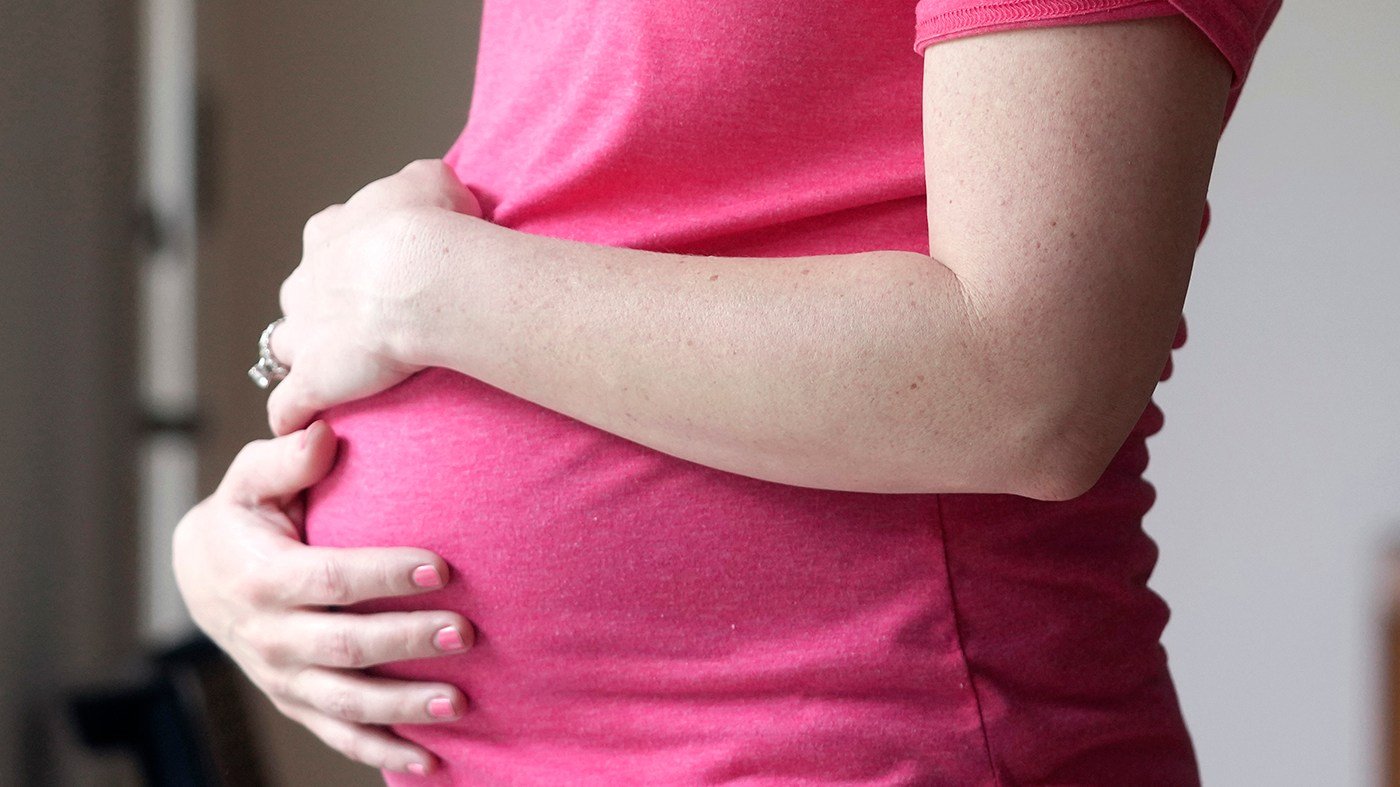
A sweeping new study published by researchers at NYU Grossman School of Medicine and Kaiser Permanente School of Medicine is complicating the Trump administration's push to pin down what causes autism. The research, which tracked more than 224,000 children born in Kaiser Permanente Northern California hospitals between 2010 and 2017, found that certain maternal health conditions during pregnancy are associated with higher autism diagnosis rates — but the patterns vary significantly across racial and ethnic groups.
Overall, 2.4 percent of the children in the study were diagnosed with autism, close to the national rate of 3.2 percent reported by the Centers for Disease Control and Prevention. Autism prevalence hovered between 2 and 3 percent across all racial and ethnic groups examined. But the study's deeper dive into 25 maternal health conditions revealed notable disparities: four conditions — obesity, depressive episodes, asthma, and other maternal diseases complicating pregnancy — showed stronger associations with autism in white mothers than in Black, Hispanic, or Asian and Pacific Islander mothers.
Lead author Dr. Magdalena Janecka, an associate professor at NYU's department of child and adolescent psychiatry, stressed that the findings do not prove these conditions cause autism. Instead, she said, they point to the need for more research into how environmental factors interact with biology. "This study highlights that the link between certain environmental factors and autism is likely to be heterogeneous across different population groups," Janecka said. "Not because the fundamental biology differs, but because what these environmental factors entail may differ among different individuals."
The timing of the study is politically charged. Health and Human Services Secretary Robert F. Kennedy Jr. had pledged to identify the cause of rising autism rates by September 2025. When that deadline passed, President Trump and Kennedy suggested, without new evidence, that acetaminophen taken during pregnancy might be linked to autism — a claim roundly criticized by maternal medicine groups and autism advocates. Kennedy later softened his stance, saying the evidence was "not sufficient to say it definitely caused autism, but it is very suggestive."
Kennedy has also refused to rule out a link between vaccines and autism, despite decades of research finding no connection. A CDC page published earlier this year even asserts that "studies supporting a link have been ignored by health authorities."
Autism Speaks, the nation's largest autism advocacy group, maintains that autism arises from a combination of genetic and environmental influences — a view Janecka shares, though her study does not resolve the debate. "Our study neither supports nor challenges this," she said. "We don't know what exactly drove the observations we reported."
The researchers acknowledged that differences in access to care, insurance continuity, clinical follow-up, and treatment patterns could have influenced their results. In a related opinion piece published last year, Janecka and colleagues argued that social determinants — such as structural racism and environmental injustice — are often overlooked in studies of childhood neuropsychiatric outcomes. They noted that race is primarily a social construct, not a biological one, and that disparities in exposure-outcome associations likely stem from societal causes rather than genetic ones.
Andy Shih, chief science officer at Autism Speaks, said the study underscores the need to close gaps in autism diagnosis. "We don't have any evidence that shows that there's any difference across race ethnicity in terms of autism diagnosis," Shih said. "But we do see racial, ethnic differences in terms of diagnosis between white kids and Asian kids and African American kids, Hispanic kids, for example. Those gaps have been closing."
Shih hopes the findings will draw renewed attention to the importance of "the best healthcare access for expectant mothers." Janecka echoed that sentiment: "What I would hope our study highlights is the need for more nuanced research into how maternal health and environmental factors shape neurodevelopment — and the importance of ensuring equitable care for all mothers."

