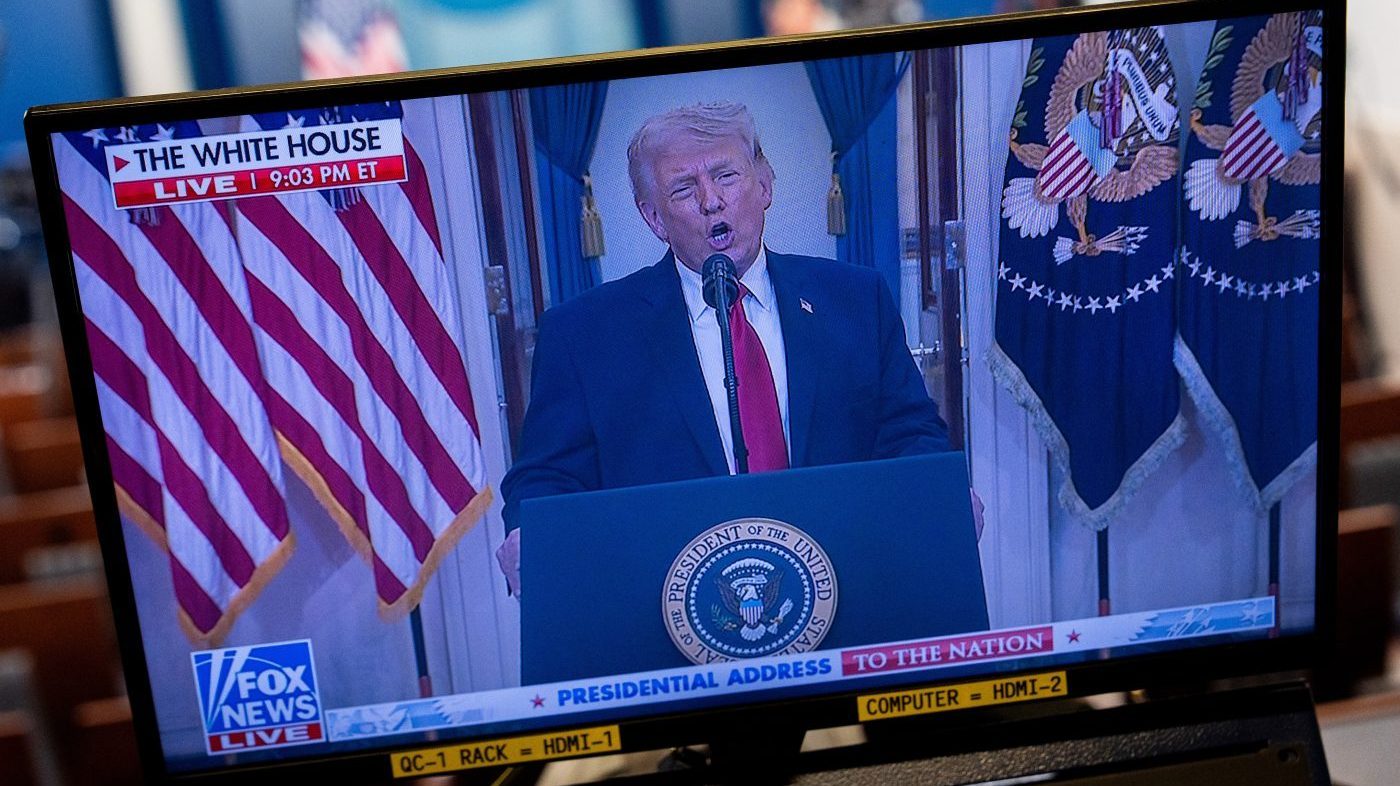
President Donald Trump is set to headline a series of virtual campaign rallies on Saturday, spanning at least 19 states, as he makes his final public pitch to voters before next week's midterm elections. The tele-rallies, announced by the Republican National Committee, will take place in three waves starting at 4 p.m. EDT, and include key battleground states such as Arizona, Florida, Michigan, Nevada, Ohio, Pennsylvania, and Texas.
The virtual format marks a departure from Trump's typical large-scale, in-person events. The RNC originally scheduled these calls after the president canceled two planned appearances in Kansas and Iowa—a decision he reversed the following day. Speaking at a rally in Daytona Beach, Florida, on Friday night, Trump explained that supporters from those states had reached out to him directly, saying, "We just want to make sure that we win."
Trump acknowledged the grueling campaign schedule, noting, "I thought this was it. I thought I could relax. 28 days in a row of this crap is a lot. It's a lot. My voice is about operating at about 49.2 percent." He added that the calls from Iowa and Kansas led him to reconsider, with supporters requesting "a little rally of about 50,000 people each."
The telerallies come as the president continues to focus on culture war issues in key Senate races, including South Carolina, where he has sought to energize the conservative base. His virtual events are expected to echo similar themes, emphasizing border security, the economy, and what he casts as Democratic overreach.
Meanwhile, in Atlanta, the Group of 20 foreign ministers are convening for the second day of their annual meeting. The gathering got off to a rocky start on Friday when the U.S. hosts decided to skip the traditional "family photo" after several delegations refused to appear alongside Russia's representative, in protest of Moscow's ongoing war in Ukraine. The dispute highlighted the deep fractures within the G20 over the conflict, even as diplomats sought to address global challenges such as food security and climate change.
The G20 meeting, which brings together top diplomats from the world's largest economies, is expected to focus on multilateral cooperation, but the Ukraine issue has overshadowed the agenda. A senior U.S. official said the decision to forgo the group photo was a pragmatic move to avoid a symbolic moment that would have been "awkward and counterproductive."
Trump's telerallies are scheduled to run concurrently with the G20 sessions, underscoring the president's focus on domestic politics as the international community grapples with pressing global issues. The White House has not indicated whether Trump will engage with G20 leaders during the meeting, though his schedule remains fluid.
With Election Day just days away, Trump's virtual events are part of a broader Republican push to mobilize voters, particularly in states where Senate and gubernatorial races are tight. The RNC has touted the telerallies as a way to reach supporters across multiple time zones, though critics note that they lack the energy of in-person rallies.
As the president prepares to address supporters from the White House and other locations, the G20 meeting in Atlanta continues behind closed doors. The contrast between the two events highlights the dual pressures on the administration: maintaining political momentum at home while navigating a fractured international landscape. The outcome of both could shape the final days of the midterm campaign and the diplomatic posture of the United States on the world stage.