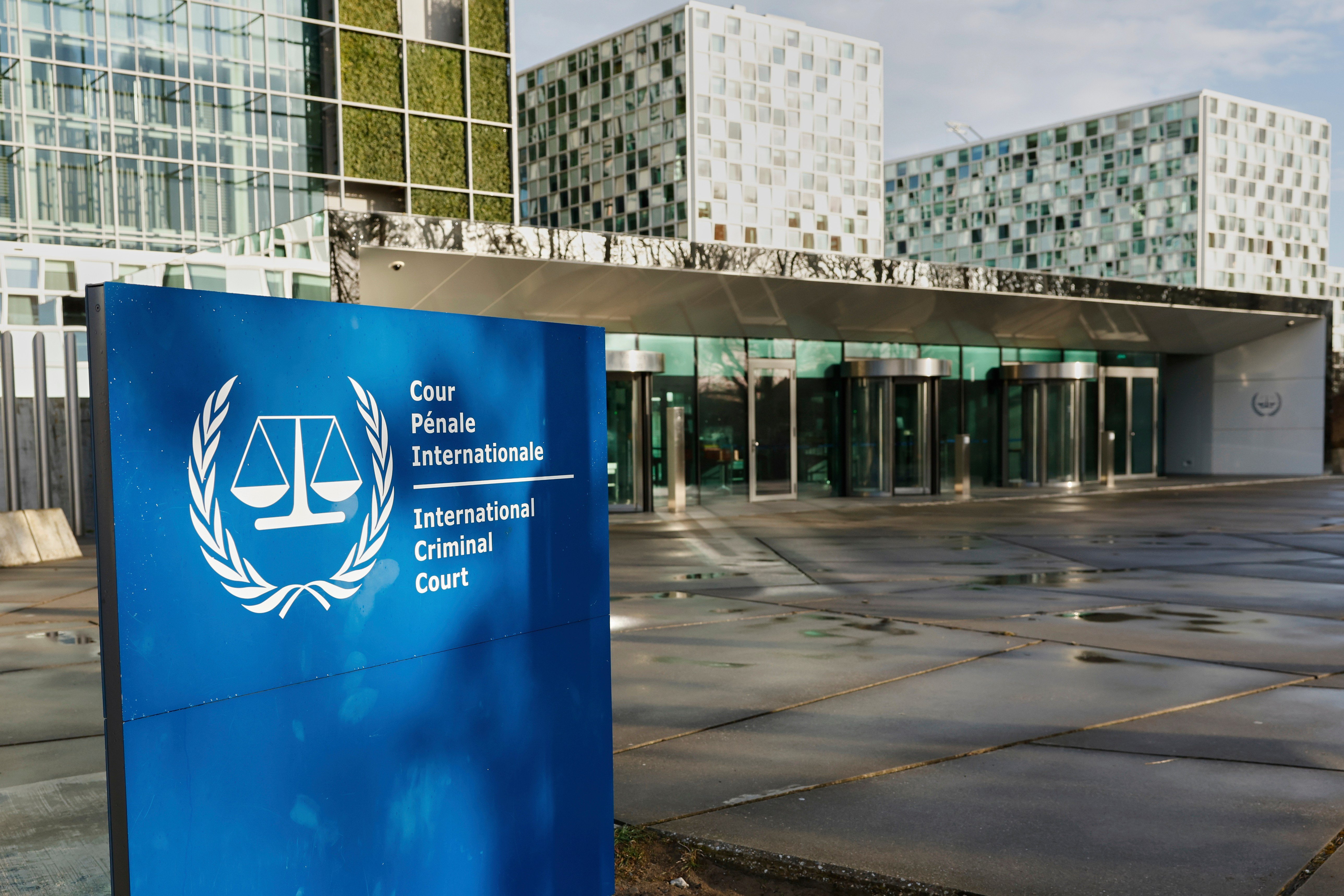
In a significant escalation of its long-running feud with the International Criminal Court (ICC), the Trump administration on October 9 froze all U.S. assets belonging to the court and barred American citizens and companies from engaging in most transactions with it. The move follows earlier sanctions against 17 ICC judges, prosecutors, and officials, and signals a more aggressive posture aimed at crippling the court's operations.
Secretary of State Marco Rubio, who has been a vocal critic of the ICC, justified the action by warning that it is "only a matter of time" before the court interferes with "American military and law enforcement operations." He has previously described such interference as a threat to U.S. sovereignty, vowing to use "all the tools" to "dismantle" the court "brick by brick." The administration's goal, Rubio stated, is to starve "this rogue court" of resources and limit "its ability to operate."
The ICC, established to prosecute genocide, crimes against humanity, and war crimes, has long been a point of contention for Washington. While the court theoretically has jurisdiction over Americans for crimes committed in member states, practical obstacles make such prosecutions unlikely. In its nearly 25 years of operation, the ICC has convicted only 15 individuals, none of them American. Moreover, the court relies on member states to execute arrest warrants, and even then, political considerations often trump legal obligations. For instance, Russian President Vladimir Putin, subject to an ICC warrant for war crimes in Ukraine, was welcomed in Mongolia, an ICC member, without arrest. Similarly, Israeli Prime Minister Benjamin Netanyahu, facing a 2024 warrant related to Gaza, was hosted by Hungary despite its ICC membership.
The Trump administration's actions are not without precedent. In the early 2000s, the U.S. threatened to withhold military aid from countries that refused to sign bilateral agreements preventing the surrender of Americans to the ICC. More than 100 nations eventually complied. The U.S. also relies on status of forces agreements to shield military personnel abroad. However, the current sanctions represent a more direct assault on the court's existence, moving beyond non-participation to active attempts to undermine its functionality.
The administration's hostility toward the ICC is rooted in a broader worldview that rejects constraints on American power. President Trump has ordered the U.S. to withdraw from 66 international organizations, and his National Security Strategy emphasizes unilateral action. This stance has alienated many allies, most of whom are ICC member states. European governments have denounced the sanctions and may invoke the EU blocking statute to prevent their companies from complying with U.S. measures.
Despite the administration's claims, the ICC's actual impact on U.S. interests has been minimal. In 2020, the court authorized an investigation into alleged atrocities in Afghanistan, including possible crimes by U.S. forces, but intense political pressure led the prosecutor to focus on Taliban and ISIS-K actions instead. No American has ever been charged or tried by the ICC. Nevertheless, the administration views any potential investigation as intolerable, reflecting a deep-seated aversion to international oversight.
The sanctions have drawn sharp criticism from human rights groups and legal experts, who argue that the ICC plays a vital role in holding perpetrators of mass atrocities accountable. They also note that the court's warrants against figures like Putin and Netanyahu, while not resulting in arrests, have nonetheless tarnished their legitimacy and restricted their travel. The administration's actions, critics say, undermine these efforts and set a dangerous precedent for other nations to ignore international justice.
As the confrontation escalates, the question remains whether the U.S. is willing to risk further isolation on the world stage over an institution that poses little direct threat to its interests. The answer, for now, appears to be yes, as the Trump administration continues to prioritize sovereignty and unilateralism over multilateral cooperation.
For more on related political developments, see GOP's lame-duck push for Trump agenda faces Hill headwinds and Democrats eye midterm gains as Trump looms over GOP prospects.