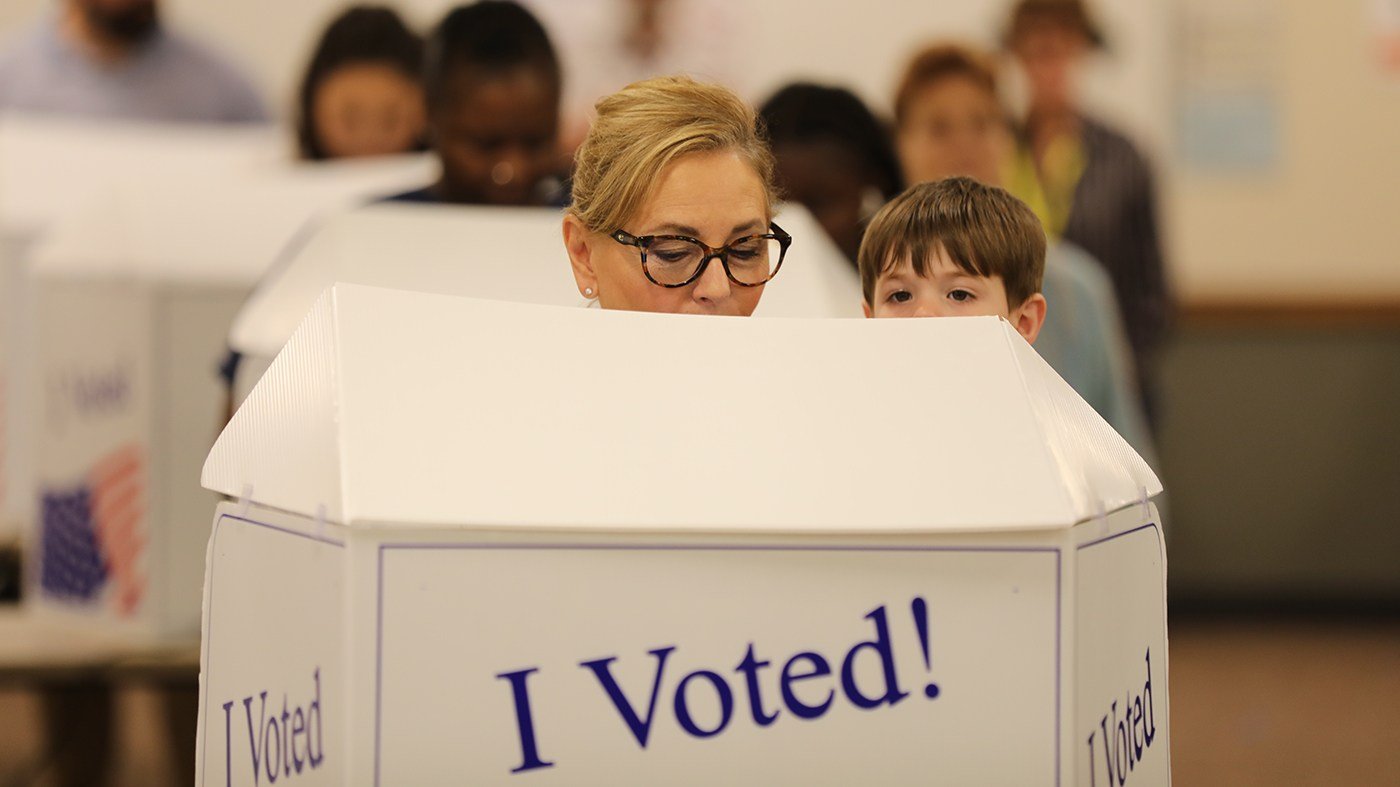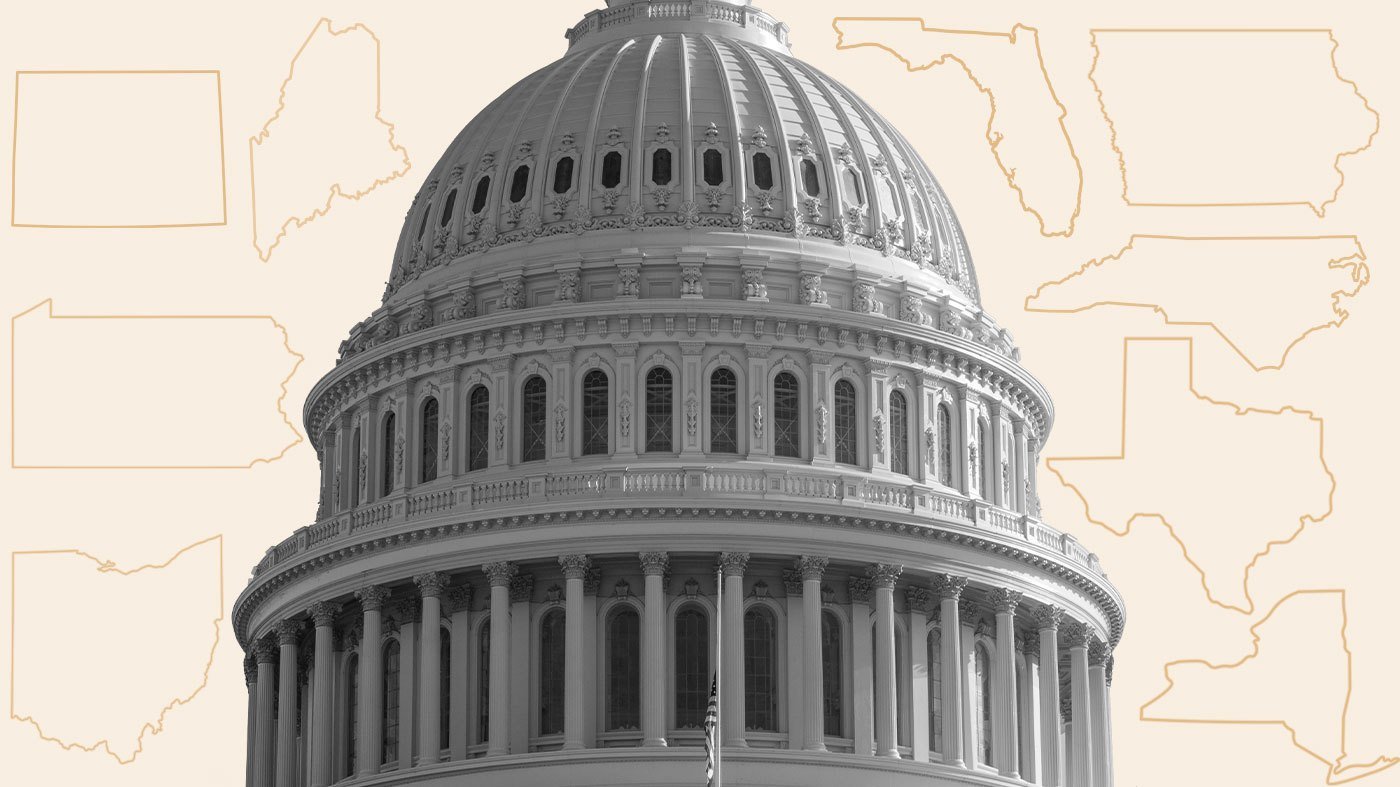
The fight for the House majority is narrowing to a small cluster of competitive districts, with Republicans scrambling to protect a fragile grip on power. All 435 seats are on the ballot, but only about a dozen will ultimately determine which party holds the speaker's gavel.
Decision Desk HQ, the election analysis arm partnered with The Hill, currently rates 13 House contests as pure toss-ups. As of Friday, their modeling gives Democrats an 82 percent probability of winning the chamber—a stark illustration of the headwinds facing the GOP as they defend a 218-214 majority.

The Republican defensive posture is driven by a combination of factors: an unfavorable national environment, a string of retirements in swing seats, and Democratic enthusiasm that has translated into strong fundraising and organizing in key suburbs. Several GOP incumbents are running in districts that President Biden carried in 2020, making them particularly vulnerable to a blue wave.
Among the most closely watched battlegrounds are districts in New York, California, and Pennsylvania, where a handful of seats could swing the balance. In New York, a court-ordered redistricting gave Democrats a more favorable map, and they are aggressively targeting Republican-held seats in the Hudson Valley and on Long Island. California's competitive Central Valley and Orange County seats remain perennial battlegrounds, while Pennsylvania's suburbs around Philadelphia are once again ground zero for the national fight.
Democrats are also benefiting from a fundraising edge in many of these races, allowing them to saturate the airwaves with ads focused on abortion rights, democracy, and kitchen-table economic issues. Meanwhile, GOP candidates are leaning into immigration, crime, and inflation, hoping to nationalize the election and blunt Democratic momentum.
The outcome in these districts will have immediate implications for the legislative agenda. A Democratic majority would likely advance a host of priorities, including codifying abortion protections, expanding voting rights, and launching investigations into the Trump administration. Conversely, a narrow Republican hold would empower the party's conservative wing and set the stage for intense battles over spending and oversight.
External factors could yet reshape the landscape. An approaching storm system threatens to depress turnout in some battlegrounds, as bad weather may keep some voters home. And the battle for the Senate is intertwined, with several toss-up races for the upper chamber likely to drive higher turnout in the same states.
Recent polling and rating shifts have only added to Republican anxiety. The Cook Political Report recently moved a dozen more House races toward Democrats, and Sabato's Crystal Ball has shifted several Senate contests in the same direction. With just days to go, both parties are deploying surrogates to key states—former President Trump has been stumping for GOP candidates in Texas and elsewhere, while Democratic heavyweights are fanning out across the country to rally the base.
Ultimately, the path to 218 runs through the suburbs and exurbs where independent voters are making up their minds late. The next few days will be a furious scramble of rallies, ads, and get-out-the-vote operations, all aimed at swaying the small slice of the electorate that will decide control of the House.