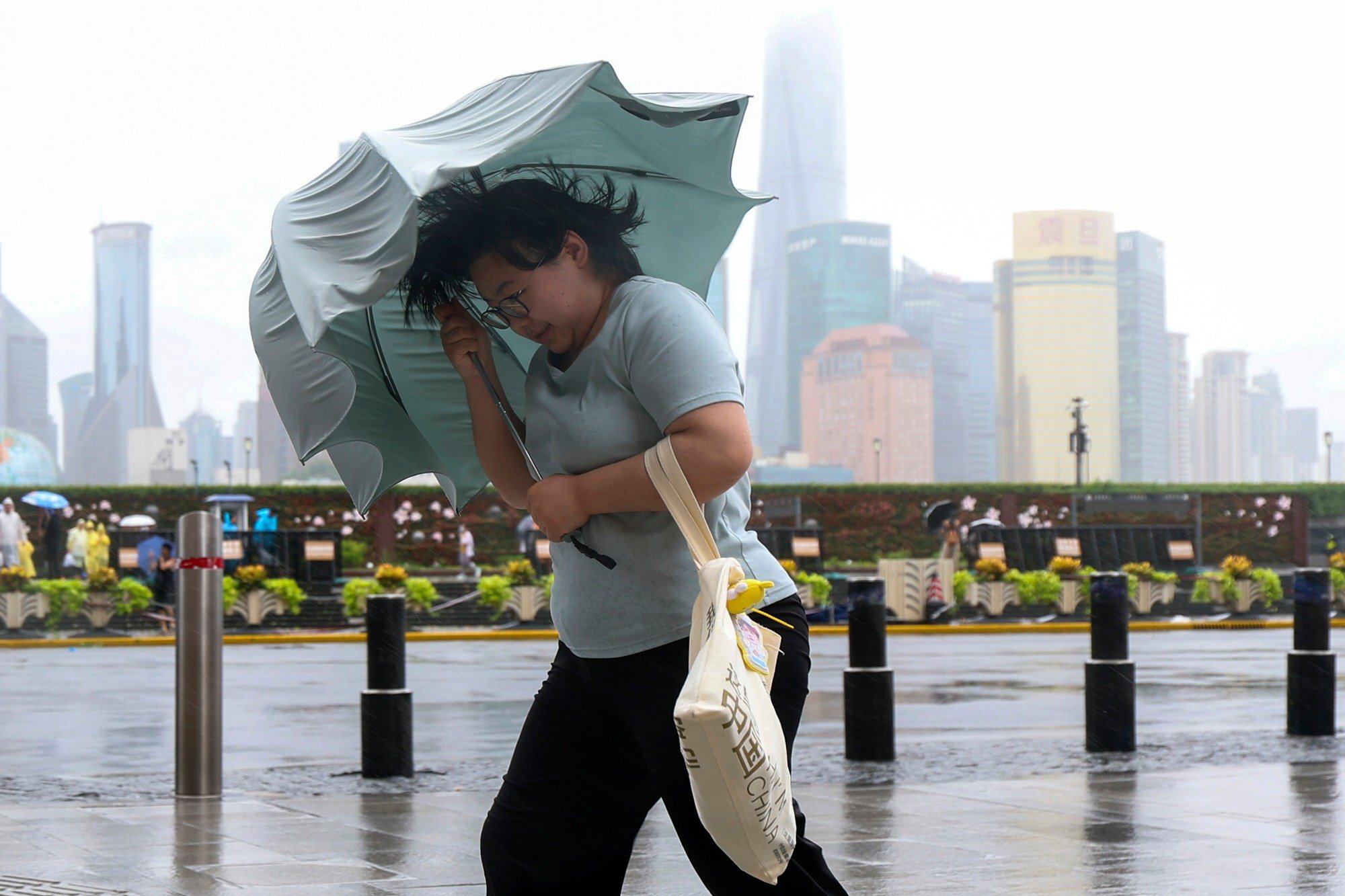
Election Day could be marked by severe weather in several pivotal states, raising concerns about voter turnout in races that may hinge on narrow margins. AccuWeather and the National Weather Service have issued forecasts indicating that thunderstorms and gusty winds could sweep through parts of the Midwest, Plains, and Texas on Tuesday, potentially disrupting voting in key contests.
The Northeast, which has enjoyed an extended stretch of dry and unseasonably warm weather, is expected to see that pattern persist through the weekend before storms roll in by Tuesday. However, the most significant weather risks are concentrated in the middle of the country, where a cold front is expected to collide with moist air, spawning severe thunderstorms and heavy downpours.
CNN reports that parts of Iowa, Kansas, Michigan, Texas, and Ohio are likely to experience wet conditions on Election Day. In the Midwest and Plains, the rain could be accompanied by damaging winds, making travel to polling places more difficult. AccuWeather also notes the possibility of rain across portions of Nebraska, Iowa, Wisconsin, and Minnesota.
These forecasts come amid several high-stakes races in the affected states. In Kansas, incumbent Republican Senator Roger Marshall is facing a surprisingly strong challenge from Democrat Adam Hamilton, with both Sabato's Crystal Ball and the Cook Political Report recently moving the race to a "toss-up." Similarly, Michigan's Senate contest between GOP Representative Mike Rogers and Democrat Abdul El-Sayed has tightened, with recent polling showing a virtual dead heat. In Texas, the Senate race between Democrat James Talarico and Republican Attorney General Ken Paxton remains competitive, while the gubernatorial battle between incumbent Greg Abbott and Democrat Gina Hinojosa has drawn national attention, with President Trump stumping for Abbott in the Lone Star State. Nonpartisan forecaster Decision Desk HQ currently gives Abbott a 68 percent chance of victory.
The National Weather Service office in Fort Worth, Texas, forecasts a 40 percent chance of showers and thunderstorms on November 3, while the Austin office lists a 60 percent chance of precipitation. These conditions could depress turnout in urban centers like Houston, Dallas, and Austin, where Democratic voters are concentrated. In contrast, rural areas, which lean Republican, may see less impact, potentially skewing the electorate.
AccuWeather warns that "disruptive downpours" could spread into the southeastern U.S. over the weekend but should move away from the southern Atlantic Seaboard by Tuesday. Cities like Atlanta, Charlotte, and Miami are unlikely to see prolonged rain, which could be a relief for voters in those areas.
Weather-related turnout concerns are particularly acute this year, as several races are expected to be decided by razor-thin margins. Political analysts note that even a small dip in turnout could alter outcomes, especially in states where early voting is limited. In states that restrict early voting, a storm on Election Day could have a disproportionate impact.
Campaigns in the affected states are urging supporters to vote early or use mail-in ballots where available, but many voters may still be caught off guard by the forecast. Election officials are preparing contingency plans, including extending polling hours if necessary, though such decisions would be made at the local level.
The potential for severe weather adds another layer of uncertainty to an already unpredictable election cycle, which has seen split-ticket voters potentially deciding key Senate and governor races. With control of the Senate and several governorships at stake, both parties are closely watching the weather maps as much as the polling averages.
As the final push intensifies, Trump and Vance are fanning out across the South, but their efforts could be undermined if voters stay home due to storms. The intersection of meteorology and politics is rarely this critical, but in a closely divided nation, even the weather can be a deciding factor.