As the midterm elections loom and Democrats are widely projected to take control of the House—and possibly the Senate—Republicans on Capitol Hill are bracing for a high-stakes lame-duck session. The question is no longer whether they can advance President Trump's agenda before the new Congress convenes, but how far they can push it—and whether internal fractures and the ticking calendar will derail their efforts.
One faction of the GOP is urging leadership to extend the post-election session, potentially into late December, to force through a third reconciliation package. That procedural tool would allow Republicans to bypass Democratic votes and enact major policy changes on a party-line basis. A House Republican, speaking anonymously, told The Hill that the party should "unequivocally take immediate steps to pass a third reconciliation bill" if they lose the House, adding that members should "stay as long as it takes."
But that strategy is colliding with reality. If Republicans suffer a decisive defeat, many lawmakers may lack the appetite to remain in Washington through the holidays, particularly if they are blaming Trump for the losses. A House GOP aide predicted that "if it's a blowout, they're not going to want to owe anything to Trump or the White House" and would likely resist further legislative fights.
Centrist Rep. Don Bacon (R-Neb.), who is retiring, voiced skepticism that a new reconciliation bill could pass. He pointed to Trump's recent favoritism toward Russia, which Bacon said "has greatly reduced the president's leverage" after Congress overwhelmingly voted for sanctions. "Why add funding to an agenda that we disagree with?" Bacon asked. He added that some members will "blame Trump" for election losses, and that will factor into their willingness to cooperate.
In the Senate, a few Republicans are equally eager to press forward. Sen. Bernie Moreno (R-Ohio) told reporters in October that if the party loses both chambers, they should stay "from Nov. 9 until Dec. 31 with no break at all," even joking about having turkey in the Capitol. Rep. Nancy Mace (R-S.C.), who lost her gubernatorial primary, insisted that lawmakers were sent to Washington to "deliver results, not half-baked work" and should not go home until the job is done.
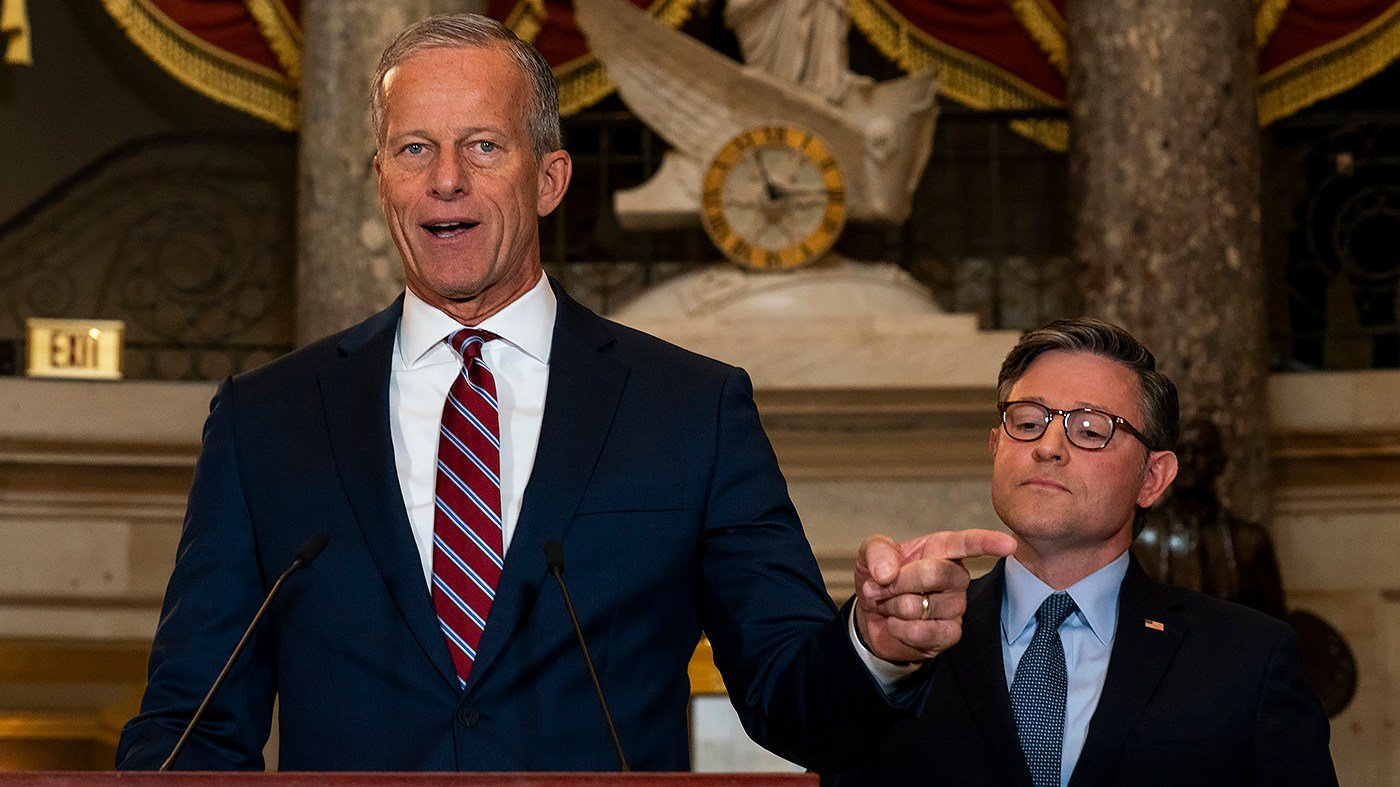
Yet Senate Majority Leader John Thune (R-S.D.) poured cold water on those ambitions. In an interview with The Washington Sun, Thune said that "right now, we don't have the votes to get on a third recon bill" and that they might not even be able to fend off Democratic amendments. He acknowledged that the election outcome could shift attitudes, but he stopped short of promising a successful push.
The legislative math is further complicated by Senate rules. Any reconciliation bill must include "pay-fors"—revenue-raising measures to offset spending—and must survive the Byrd rule, which limits what can be included. A Senate GOP aide noted that the House's proposed pay-fors are "very creative" but questioned whether fiscal hawks in the Senate would accept them. "At this point, I just don't think the answer is yes," the aide said.
Beyond reconciliation, the lame-duck calendar is packed. More than 30 administration nominees are still awaiting floor votes, and judicial nominations are pending as well. The Senate Judiciary Committee canceled a scheduled vote on a batch of judges after a late-night session, and those nominations would need to be restarted in the next Congress if not confirmed. Democrats are unlikely to support Trump's picks, adding another layer of urgency—and difficulty.
As the clock ticks down, Republicans are caught between a White House demanding action and a rank-and-file that may prefer to cut losses and head home. The coming weeks will test whether the party can overcome its internal divisions and deliver on its promises before the political landscape shifts dramatically.