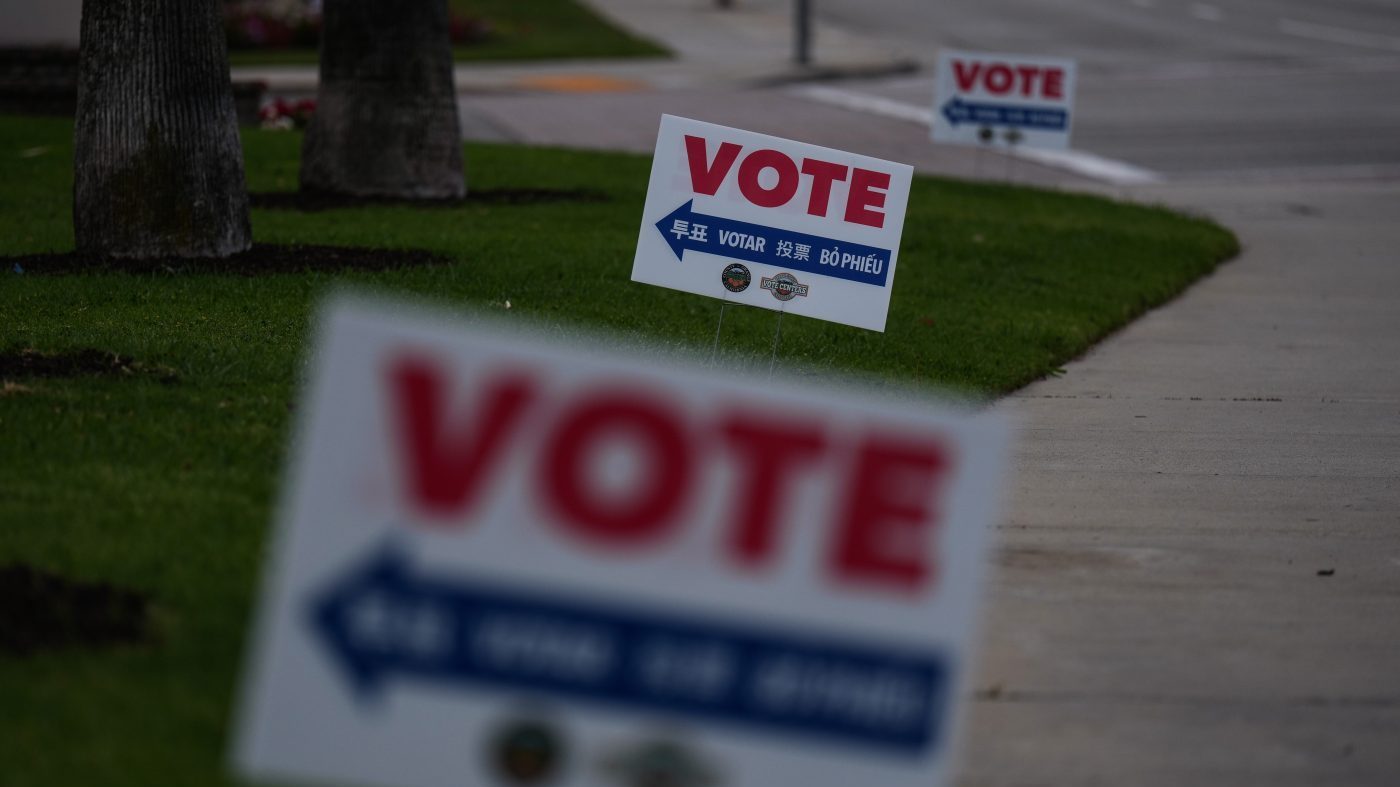
Independent data analysts have uncovered significant discrepancies in a Trump administration list purportedly identifying California voters who are not U.S. citizens, according to a legal filing from an immigrants' rights group. The analysis, conducted by two researchers at the University of California, Los Angeles, found that over 40 percent of the names on the list did not appear on California's official voter rolls.
The findings, first reported by The Associated Press, represent the first external review of the administration's data. The Department of Justice has relied on this list to warn election officials about potential voter fraud and has threatened prosecution. The analysis suggests that the list may have incorrectly targeted thousands of U.S. citizens, potentially undermining their voting rights.
The controversy comes as a federal judge dealt another setback to the Trump administration's efforts to challenge California's election procedures. On Wednesday, U.S. District Judge David Carter declined to intervene in the state's decision to count mail-in ballots from roughly 20,000 voters that the administration claimed were likely noncitizens.
In his ruling, Carter emphasized the constitutional principle that states have primary authority over their elections. "This request violates longstanding constitutional principles mandating that states have control over their elections," he wrote. He further warned that granting such relief could allow either party to create chaos for political purposes, adding that "over 20,000 registered Californians would potentially lose the right that generations of Americans have fought to preserve."
California officials have expressed skepticism about the accuracy of the administration's list and have maintained that they are not obligated to verify the citizenship status of registered voters. The state argues that its voter registration process already includes safeguards and that the federal list is unreliable.
This development is part of a broader pattern of election-related disputes between the Trump administration and Democratic-led states. As the midterms approach, similar clashes have emerged in other states, with Democrats eyeing potential gains while Trump remains a central figure in Republican campaigns.
Legal experts say the judge's decision could have implications for how courts handle election challenges in the final weeks before voting. The ruling aligns with previous decisions that have rejected last-minute changes to election procedures, citing the need for stability and voter confidence.
The Justice Department has not yet responded to requests for comment on the analysis or the court ruling. Meanwhile, voting rights advocates have called for greater transparency in how the federal government compiles such lists, warning that inaccuracies could lead to eligible voters being purged from rolls or having their ballots challenged.
As the election season intensifies, the reliability of voter data remains a contentious issue. The Trump administration's efforts to scrutinize voter rolls have drawn both support from those concerned about election integrity and criticism from those who see them as attempts to suppress turnout. The outcome of this dispute could shape the broader debate over election administration in the coming years.