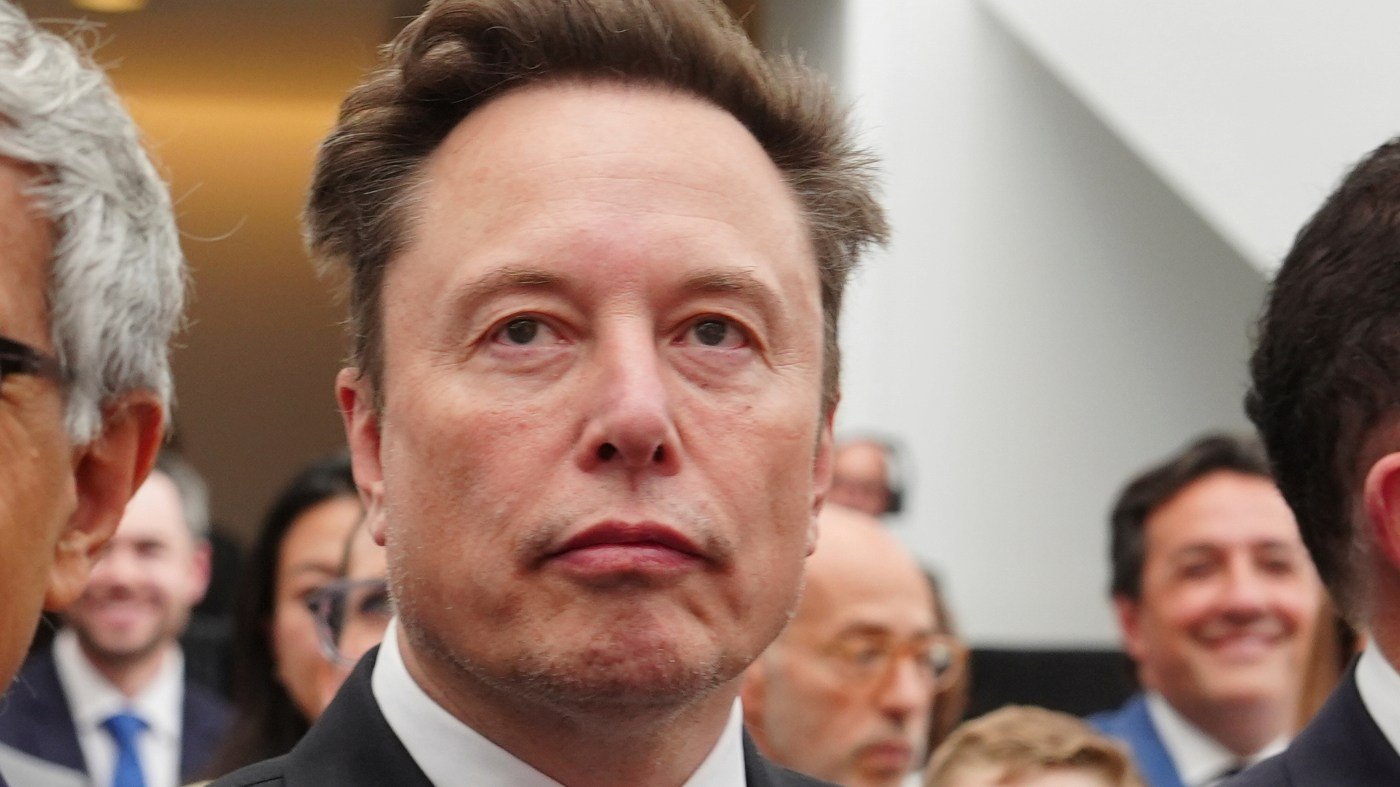
If Democrats capture one or both chambers of Congress in the midterms, a top priority could be launching a barrage of investigations against Elon Musk, the CEO of SpaceX and Tesla. According to Politico, the party is preparing to wield its committee gavels to probe Musk's business empire, a move that could have far-reaching consequences for American space policy—especially the Artemis program's return to the Moon.
SpaceX is a central contractor for NASA's Artemis missions, providing the Starship Human Landing System for the first crewed lunar touchdown since Apollo 17. Rep. Zoe Lofgren (D-Calif.), ranking member of the House Science, Space, and Technology Committee, has already signaled aggressive oversight, saying, “The sheer number of conflicts of interest are astounding.” Such rhetoric suggests Democrats are ready to scrutinize Musk's government contracts, his social media platform, and his role as a top adviser to President Trump.

The timing could not be worse. Artemis III, which will test two Human Landing Systems—including SpaceX's Starship—is scheduled for 2027, with the first landing planned for 2028. NASA recently provided an update on progress, but any congressional distraction could slow the development of the Starship, which is slated for a series of test flights before it can carry astronauts to the lunar surface.
Some Democrats have floated extreme measures, such as jailing Musk or even nationalizing SpaceX, as suggested by podcaster Kara Swisher. While these ideas remain fringe, even moderate investigations could consume Musk's time, forcing him to testify before multiple committees. Musk is known for his hands-on management style, and his absence could delay projects ranging from space-based data centers to Starship's readiness.
NASA does have a backup option with Blue Origin's Human Landing System for Artemis IV, but recent experience with the commercial crew program has shown that having multiple providers is crucial to mission success. Any delay in Artemis could hand China a strategic victory in the new space race, a prospect that should worry both parties, given the program's broad bipartisan support.
Musk remains a polarizing figure, but he is also a symbol of American innovation. Persecuting him could trigger a political backlash, especially among voters who admire his ventures in electric cars, rockets, and neural technology. Musk has vowed to fight back, warning, “Live by the sword, die by the sword.” His unprecedented spending in recent campaigns shows he is willing to use his wealth to influence politics.
President Trump, who has forged a close alliance with Musk, has promised to defend him. This sets up a potential constitutional clash if Democrats use subpoenas to target Musk, raising questions about executive privilege and the limits of congressional oversight. Such a confrontation could paralyze Washington and further erode public trust in institutions.
Rather than engaging in political lawfare, Democrats might consider a more pragmatic approach: winning Musk back. He was once an ally of President Obama, but has since shifted right. Understanding that shift could open a dialogue, potentially neutralizing Musk as a political adversary. The alternative—turning him into a martyr—could backfire.
As the 2028 lunar landing approaches, Americans of all parties should hope that political vendettas do not jeopardize a historic achievement. A Musk unburdened by subpoenas and investigations would be better positioned to help NASA reach the Moon, allowing the nation to celebrate a triumph that belongs to everyone.
Mark R. Whittington, a space policy analyst and author of several books on space exploration, notes that the road back to the Moon is fraught with technical and political challenges. His writings highlight the importance of stable leadership and bipartisan cooperation, lessons that today's lawmakers would do well to heed.