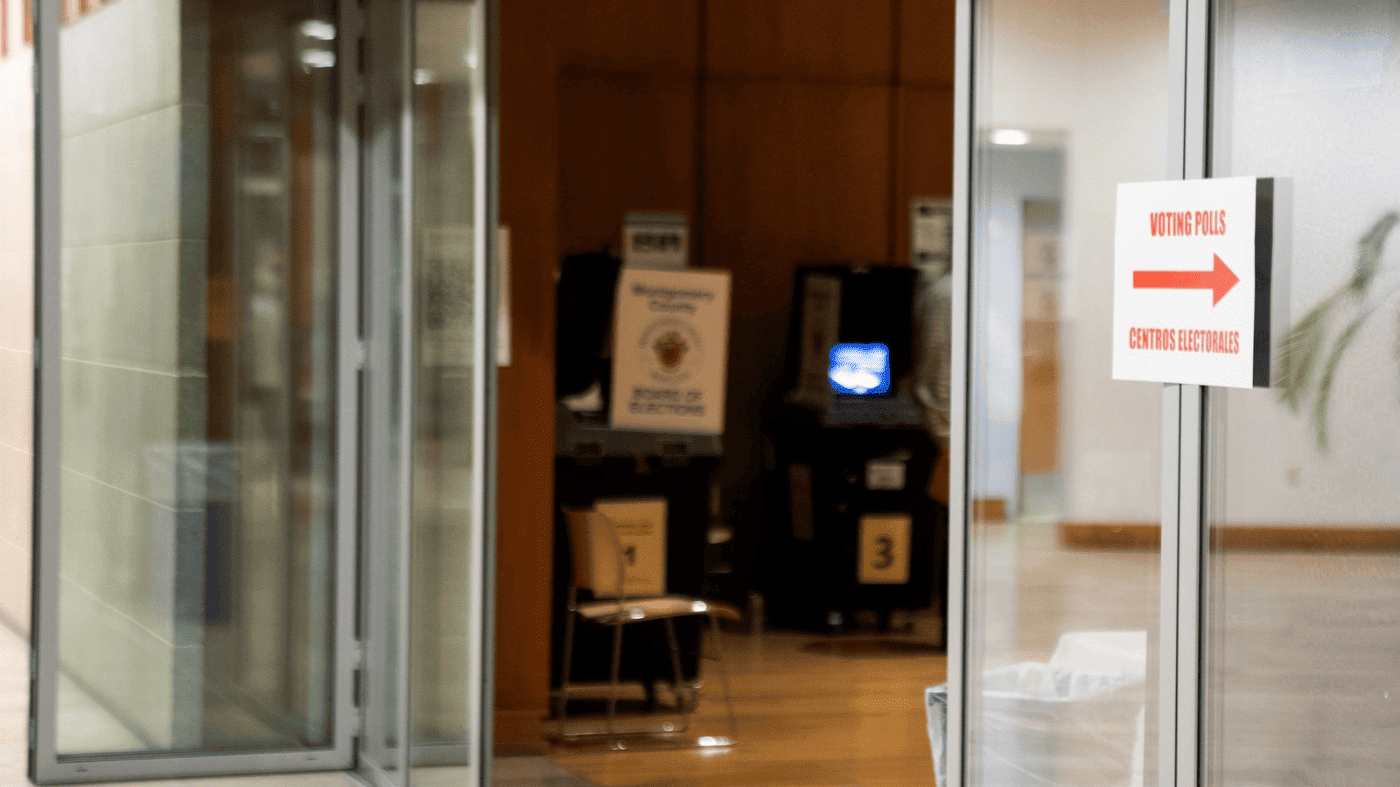
With two days until the midterm elections, new polling from The New York Times and Siena University shows Democratic candidates ahead in seven of the most hotly contested Senate races. However, in most of those contests, the lead is within the margin of error, making the outcome far from certain.
The surveys, released Sunday, put Democrat Abdul El-Sayed up by 11 points in Michigan and James Talarico ahead by 7 in Texas—the only two races where the Democratic advantage exceeds the polling error. In the other five states—Maine, Kansas, Ohio, Alaska, and Iowa—the margins are 6, 5, 5, 2, and 1 point respectively, all statistically tied.

These numbers come as Democrats see a rare opportunity to flip the Senate. Decision Desk HQ gives the party a 62% chance of winning control of the upper chamber. To do so, they need to net four seats. President Trump’s sagging approval ratings, persistent inflation tied to the Iran war and the tariff dispute with Canada, and concerns about GOP candidate quality have put more seats in play.
A consistent theme across the seven polls: every Democratic candidate leads among independent voters. The advantage ranges from single digits to a 30-point blowout for Talarico over Republican Ken Paxton in Texas. In Ohio, former Sen. Sherrod Brown enjoys a 9-point edge with independents, while Maine’s Troy Jackson leads by 11.
Democrats are also consolidating their 2024 base more effectively than Republicans. In Iowa, the race remains tight because GOP nominee Ashley Hinson narrowly leads among voters aged 30–64, while Democrat Josh Turek holds a 5-point advantage with seniors. Partisan loyalty is high on both sides—93% of Democrats back Turek, and 90% of Republicans support Hinson.
The campaign’s final stretch was rattled Sunday when Rep. Haley Stevens (D-Mich.) reversed her endorsement of El-Sayed and backed Republican Mike Rogers. Stevens insisted she wasn’t “turning my back on Democrats,” but the move drew criticism from progressives and was seen by party leaders as an unhelpful distraction, even if some believe it won’t change the race’s outcome.
The NYT/Siena polls were conducted Oct. 23–Nov. 1. Sample sizes and margins of error: Alaska (610 voters, ±4.8), Iowa (705, ±4.4), Kansas (736, ±4.1), Maine (714, ±4.3), Michigan (1,011, ±3.6), Ohio (717, ±4.2), and Texas (1,215, ±3.3).
As the fight for Senate control intensifies, both parties are watching Trump’s influence on GOP prospects and the economic headwinds that could tip the balance.