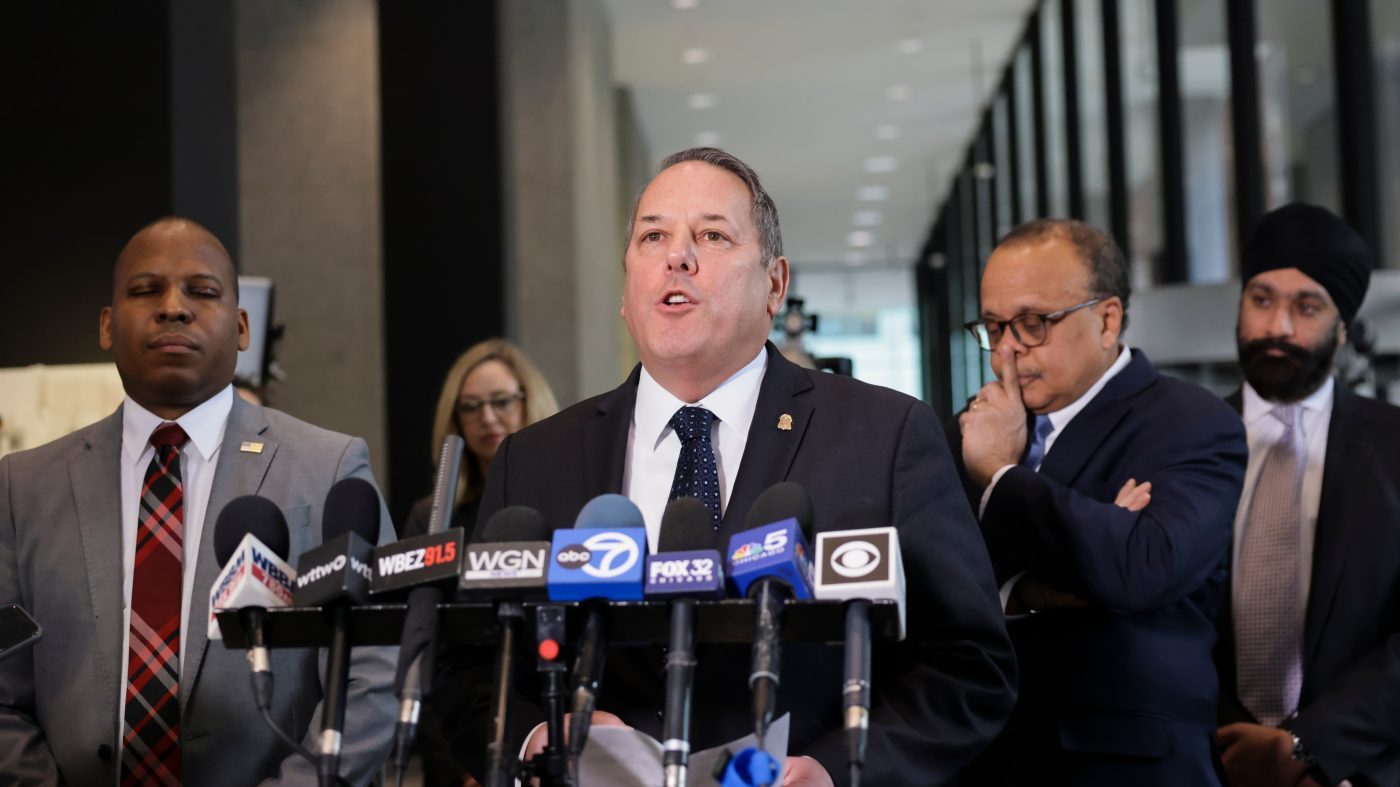
Douglas DePodesta, who led the FBI's Chicago field office for nearly two years, has filed a lawsuit against President Trump and senior administration officials, alleging he was pushed out of his role after a federal prosecutor tried to scapegoat him for the implosion of the controversial Broadview Six case. The suit, lodged in the Northern District of Illinois, accuses U.S. Attorney Andrew Boutros of engineering DePodesta's removal to deflect blame from a prosecution that became a political and legal debacle.
According to the complaint, Boutros pursued "politically motivated prosecutions" tied to Operation Midway Blitz, the administration's aggressive immigration enforcement push in the Chicago area. The case against six protesters, who had gathered outside an ICE facility in suburban Broadview, collapsed amid revelations of grand jury contamination and alleged prosecutorial misconduct. Charges were ultimately dropped, and several Illinois lawmakers demanded Boutros's resignation, but instead he allegedly pressured Washington-based DOJ officials to hold DePodesta accountable.
"I was forced to leave my job," DePodesta told the Chicago Sun-Times. "I was ordered to leave my job." The lawsuit names Boutros, Attorney General Todd Blanche, FBI Director Kash Patel, the Justice Department, and the FBI as defendants. DePodesta is seeking reinstatement, back pay, compensatory damages, and attorney's fees.
The Broadview Six case has been a lightning rod for criticism, with detractors pointing to it as evidence of political interference within the U.S. attorney's office. The protest on September 26, 2025, drew over 100 demonstrators opposing the administration's immigration crackdown. Prosecutors alleged that the six defendants conspired to impede a federal officer after a crowd surrounded and damaged an ICE vehicle. Among those charged was Kat Abughazaleh, a former congressional candidate who lost the Democratic primary in Illinois's 9th District.
This lawsuit is the latest legal challenge to emerge from the fallout, adding to the scrutiny of the administration's handling of immigration-related prosecutions. DePodesta's case also highlights tensions between career law enforcement and political appointees, a theme that has reverberated across the DOJ in recent months.
The political climate surrounding immigration enforcement remains heated, with critics arguing that such prosecutions are used to intimidate dissent. Supporters of the administration contend that the charges were legitimate and that the collapse was due to procedural errors, not political motivation.
As DePodesta's suit moves forward, it could set a precedent for how former officials seek recourse against alleged political retaliation. The case also raises questions about the independence of the FBI and the DOJ under political pressure. For now, DePodesta's legal action adds another layer to the ongoing national debate over the rule of law and executive power.