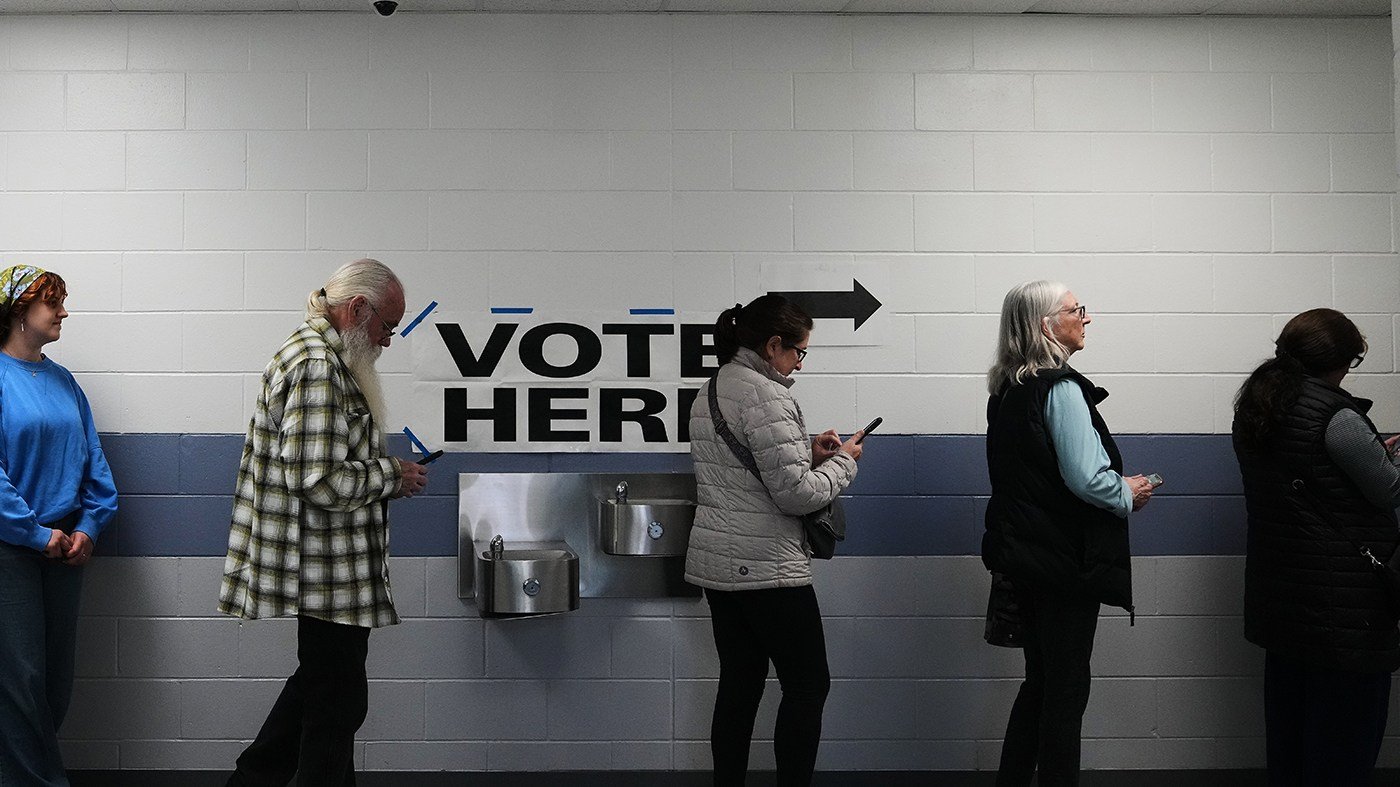
The Department of Justice is escalating its fight over California's voter rolls, demanding sanctions against an immigrant rights group that challenged the administration's claim that more than 20,000 noncitizens are registered to vote in the state. In a Sunday filing, DOJ attorneys argued that an analysis by the Coalition for Humane Immigrant Rights (CHIRLA) violated a court order and should be investigated for possible criminal contempt.
The dispute centers on a list of names the federal government says are noncitizens on California's voter rolls. CHIRLA, along with UCLA's Voting Rights Project, obtained access to that list after a federal judge allowed them to use it for their legal challenge. But DOJ officials now say the group overstepped by conducting a broader analysis that compared the federal list to the full California voter file, finding that 4 in 10 names flagged as noncitizens were not actually on the state's rolls.
In their filing, DOJ lawyers dismissed the analysis as “political grandstanding” that had no bearing on whether the plaintiffs have legal standing to sue. They argued that the report's focus on alleged inaccuracies affecting California voters generally was irrelevant to the specific claims in the case. The filing also called on U.S. District Court Chief Judge James Boasberg to refer the matter to the department for a criminal contempt investigation.
CHIRLA and the Voting Rights Project have denied any wrongdoing. Alberto Lammers, a spokesperson for the Voting Rights Project, told The Associated Press that the plaintiffs' “counsel and their experts fully complied with the Court's orders.” The groups have used the data to argue that the administration's demand to segregate the names from voter rolls would harm citizens who were wrongly included on the list.
On Monday, Judge Boasberg issued a preliminary injunction blocking the DOJ from requiring California officials to separate the alleged noncitizens' names from the voter rolls. He wrote that the lists contained errors and that the ongoing review posed a “concrete risk” to eligible voters' ability to cast ballots. The Voting Rights Project welcomed the ruling, with CHIRLA executive director Angelica Salas saying it would provide “needed breathing room” for voters, volunteers, and election officials ahead of Election Day.
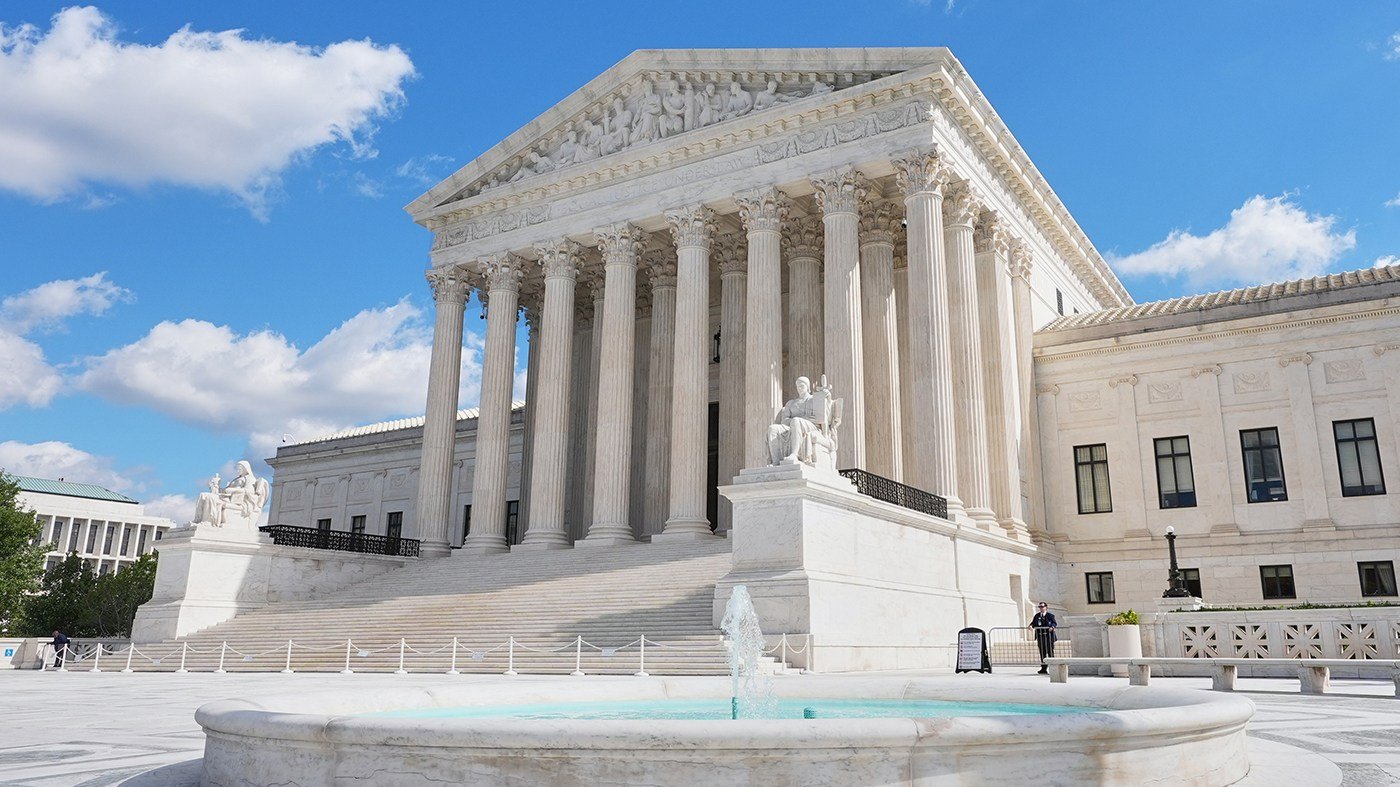
The Trump administration quickly appealed to the Supreme Court, with Solicitor General D. John Sauer arguing that segregating the names is “a routine remedy when the lawfulness of ballots is questioned.” The high court is now weighing whether to intervene, a move that could have significant implications for election administration in California and beyond.
California Attorney General Rob Bonta (D) expressed confidence in his office's position, saying he had “strong reason” to believe they would prevail again. The legal battle is unfolding as voters head to the polls, and it has become a flashpoint in the broader debate over election integrity and voting rights. Recent incidents, such as misprinted ballot envelopes in Nevada, have heightened concerns about voter confidence and administrative errors.
Critics of the administration's actions argue that the push to purge voter rolls could disenfranchise eligible citizens, particularly in minority communities. Supporters, however, insist that ensuring only citizens vote is essential to election integrity. The case is one of several legal battles over voting rules heading into the midterms, with voters weighing key choices about election administration and representation.
As the Supreme Court considers the administration's emergency request, the outcome could set a precedent for how states handle challenges to voter rolls. Legal experts say the case touches on fundamental questions about federal authority, state election control, and the balance between preventing fraud and protecting access to the ballot. With Election Day imminent, the ruling could arrive at any moment, adding another layer of uncertainty to an already contentious electoral landscape.