As millions of Americans head to the polls for the midterm elections, a critical choice looms: whether to reward or reject candidates who have actively undermined confidence in the electoral process. With over 34 million early votes already cast, the nation is poised to decide the balance of power in Congress and statehouses, but the integrity of future elections may hang in the balance.
An analysis by the nonpartisan States United Democracy Center, released on October 5, identifies 197 election deniers on ballots across 43 states. These are candidates who either participated in efforts to overturn the 2020 election, refused to certify Joe Biden's victory on January 6, 2021, or continue to spread false claims of widespread voter fraud. Their presence on the ballot is a direct challenge to the democratic process, which scholars describe as a rare and recent practice among nations.
The stakes are particularly high for congressional races. States United counts 163 such races featuring election deniers, and those elected will be responsible for certifying the 2028 presidential election—the same process that was attacked in 2021 when Trump supporters stormed the Capitol. That assault, fueled by baseless allegations, delayed the peaceful transfer of power and left a stain on American democracy.
Beyond Congress, at least 33 election deniers are running for statewide offices such as governor, attorney general, or secretary of state—positions that oversee election administration. Notable examples include Republican gubernatorial candidates Andy Biggs (Ariz.), Byron Donalds (Fla.), and Tom Tiffany (Wis.), all of whom voted to sustain objections to valid electoral votes in 2021.
These candidates' presence is an affront to democratic norms, especially given that repeated studies have debunked claims of significant election irregularities. The American Bar Association has stated that "American elections are quite well-run," and that "efforts to cast doubt on their security and accuracy pose a grave systemic threat to our form of government."
Some legal scholars argue that the 14th Amendment's Section 3 disqualifies these individuals from holding office, as they have sworn to uphold the Constitution and then participated in a rebellion against it. However, a 2024 Supreme Court ruling (5-4) muddied enforcement, stating that only Congress can disqualify federal officials for rebellion—a reading that many constitutional experts dispute.
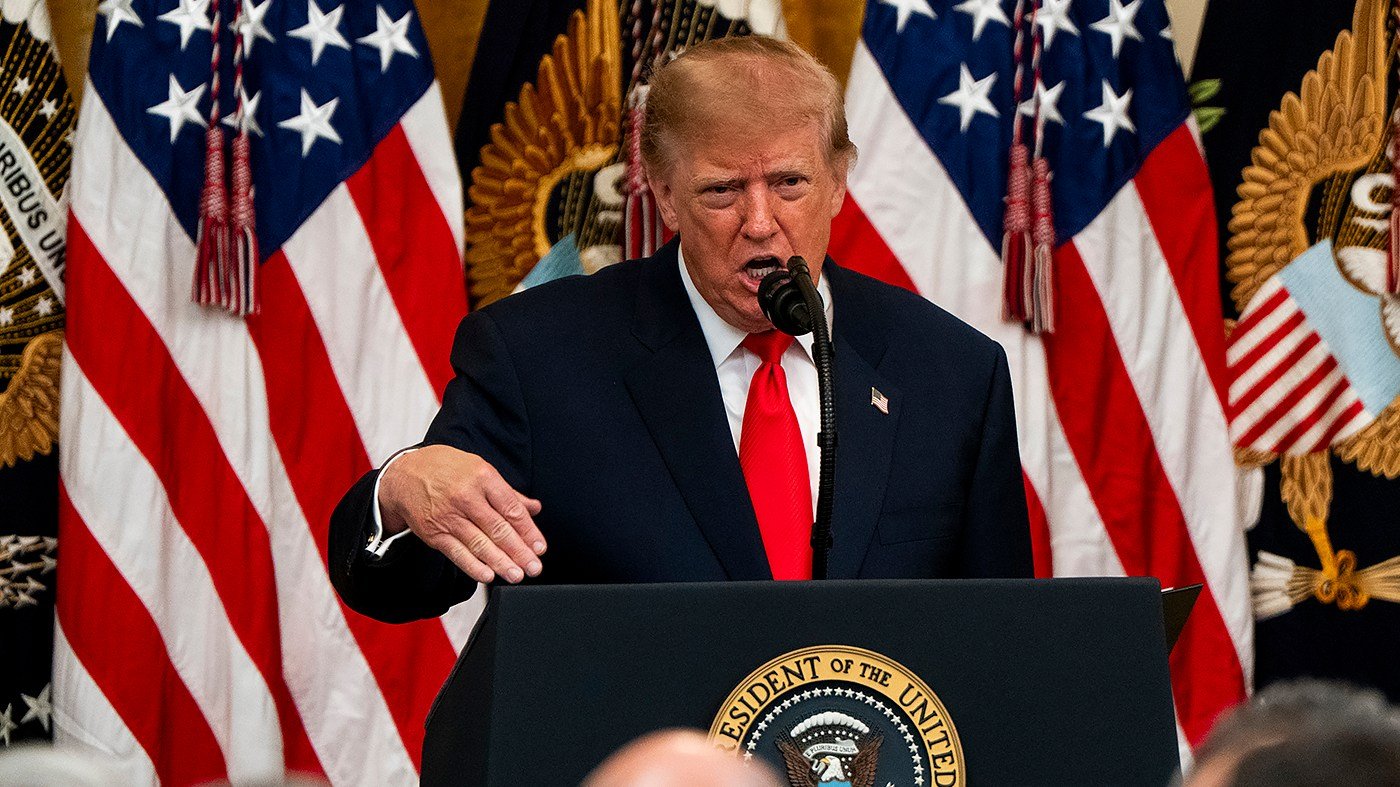
Former President Donald Trump, though not on the ballot, has been the driving force behind this assault on election integrity. He has engaged the Departments of Justice and Homeland Security in efforts to intimidate state officials and undermine public trust. Voters can send a clear message by rejecting his allies at the polls.
As the final push in the midterms intensifies, the economy remains a top concern, but the future of democratic governance is equally at stake. The court's recent halt of DOJ threats against election officials underscores the ongoing legal battles over election administration. Meanwhile, probes into alleged ballot schemes in Alaska and other states highlight the need for vigilance.
Facts are facts: the moneychangers, snake-oil salesmen, charlatans, crooks, capitulators, collaborators, and cowards have taken over the temples of democracy. They plan to stay. Tomorrow, we must begin kicking them out.