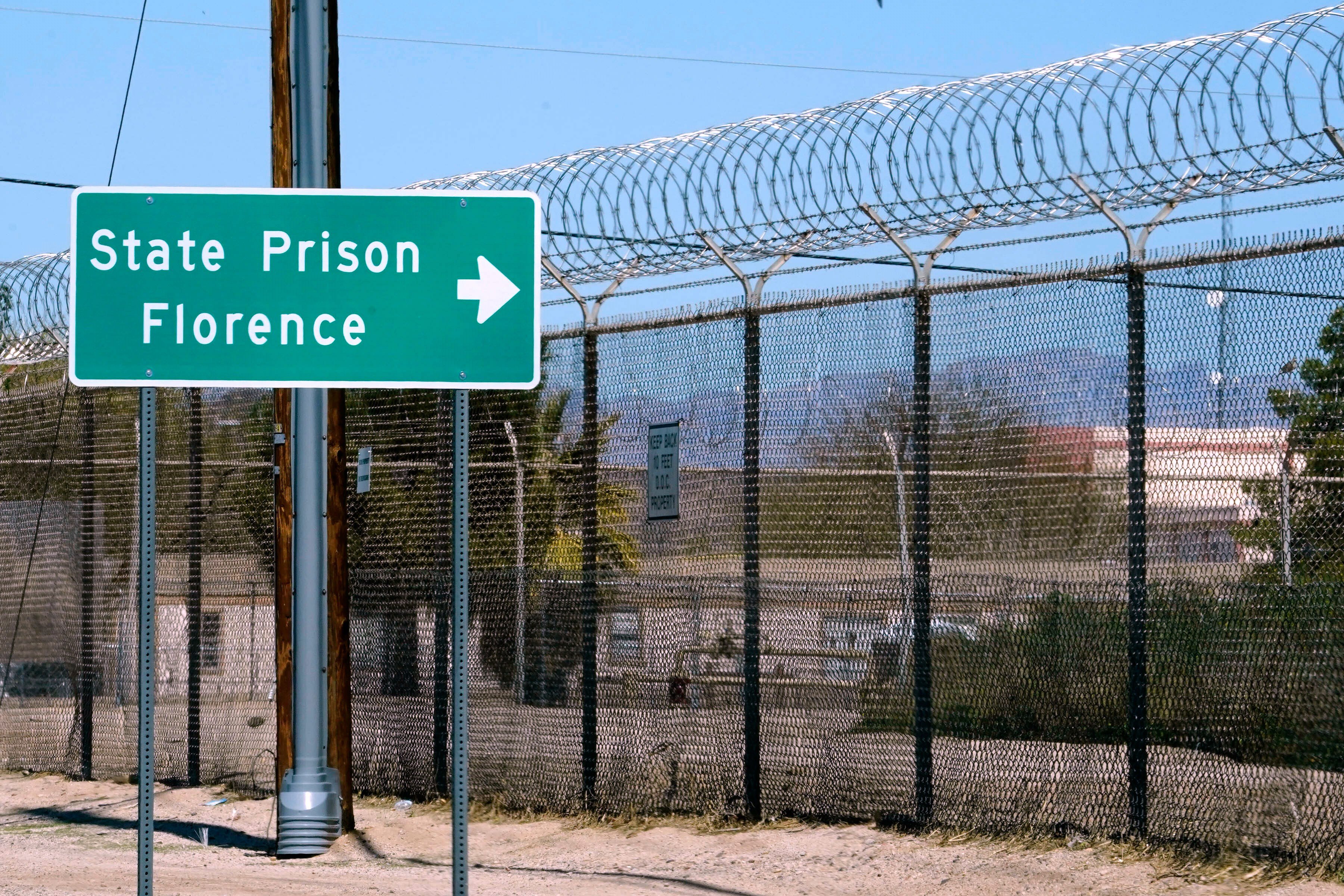
The Supreme Court on October 1 declined to intervene in a long-running lawsuit over Arizona's prison medical system, allowing a federal judge to place healthcare operations under court-appointed receivership. The decision comes after more than a decade of litigation and repeated findings that the state has failed to meet its constitutional obligations to provide adequate care for incarcerated individuals.
U.S. District Judge Roslyn Silver, who has overseen the case since 2012, ruled in 2022 that Arizona "failed to provide, and continues to refuse to provide, a constitutionally adequate medical care and mental health care system for all prisoners." Her findings detailed chronic understaffing—with too few health employees to serve roughly 25,000 inmates—and a lack of meaningful efforts to address the problem.
Preventable deaths and systemic neglect
The crisis extends far beyond Arizona. Across the country, poor prison healthcare has turned incarceration into a sentence of physical deterioration and fear. The case of Joseph Assyd, who died in Arizona custody in April 2020 at age 64, illustrates the stakes. According to Judge Silver, Assyd became unresponsive due to hypoglycemia and was transferred for care on March 13, but was not seen by a provider until March 27. His vital signs were improperly documented, delaying a referral that could have saved his life.
Tallie Dillard, a 53-year-old woman incarcerated in a federal prison in Florida, has filed multiple grievances about untreated heart murmur, kidney failure, abdominal cyst, and liver lesion—yet she has never seen a specialist. Her experience mirrors countless others who suffer in silence.
Constitutional mandate and judicial intervention
In February, Judge Silver placed Arizona's prison healthcare in receivership, writing that the state had "never been substantially compliant" and that "only the imposition of the extraordinary can bring an end to this litigation." She cited "unconstitutional preventable suicides," "unconstitutional preventable deaths," and "unconstitutional failures to treat those in severe pain."
The legal foundation for such intervention rests on the Eighth Amendment's prohibition on cruel and unusual punishment. Fifty years ago, the Supreme Court held that denying inmates medical care violates this standard. As Justice Thurgood Marshall wrote, "An inmate must rely on prison authorities to treat his medical needs; if the authorities fail to do so, those needs will not be met." The Court reaffirmed this in 2011, allowing a federal receiver to take over California's prison medical system after finding widespread inadequacies.
States rarely welcome federal oversight, but the alternative is worse. As the Court noted, "If a prison deprives prisoners of basic sustenance, including adequate medical care, the courts have a responsibility to remedy the resulting Eighth Amendment violation."
A national reckoning
The Arizona case is a bellwether. With healthcare quality under scrutiny across the country, and as state courts increasingly shape policy, the failure to provide basic medical care to prisoners is a pressing political and moral issue. Advocates for prisoners' rights argue that no state should need a judge to force compliance with the Constitution.
As Austin Sarat, a professor at Amherst College, wrote: "No state, including Arizona, likes having a judge tell it how to run its prisons. But they all have a choice: live up to their constitutional responsibilities and provide adequate medical care on their own, or have the courts ensure it gets done."
The Supreme Court's decision sends a clear message: the era of tolerating medical neglect in American prisons is over. States must act now—or face federal oversight.