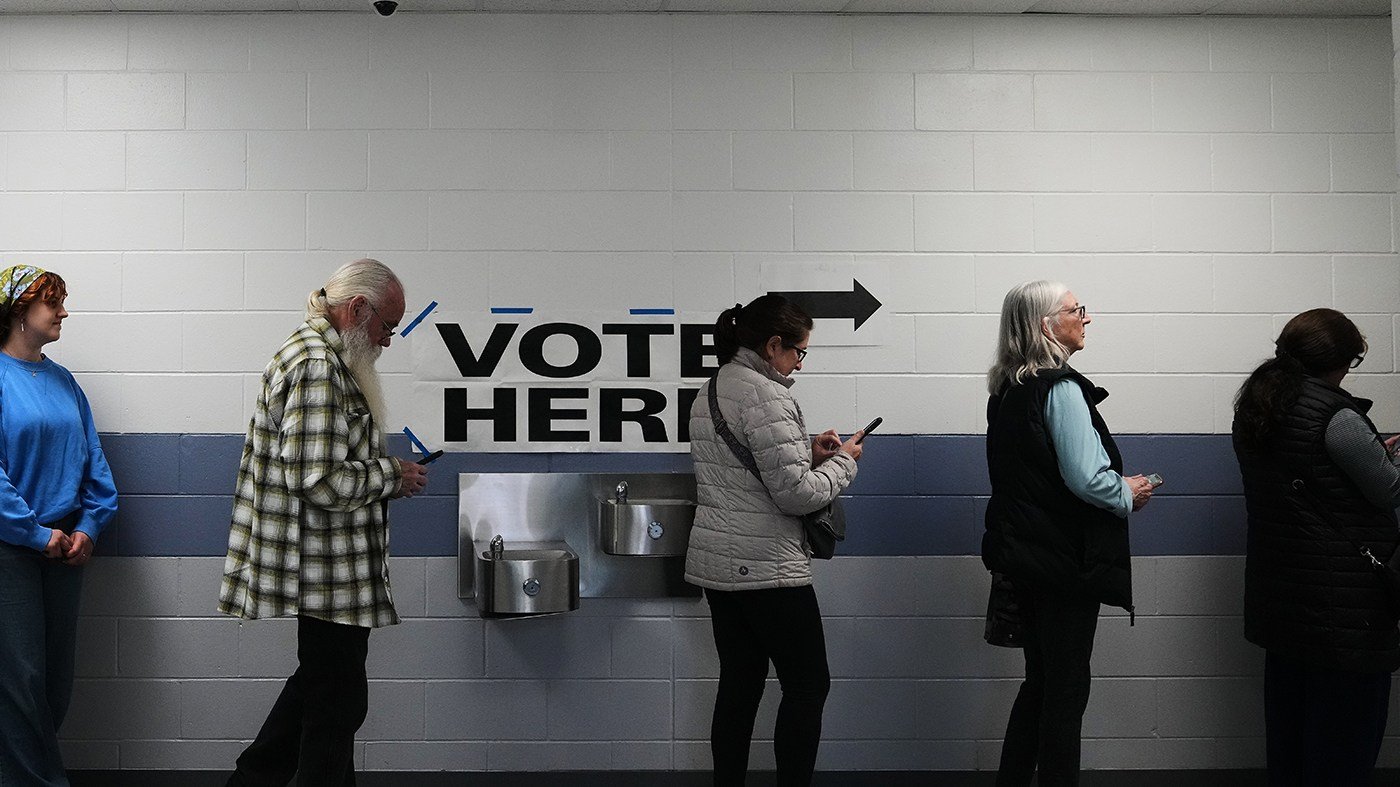
With the Nov. 3 midterm elections fast approaching, President Trump and Russian President Vladimir Putin are reading the same political tea leaves. Republicans are widely expected to lose control of the House, potentially putting the Senate in play and ending the White House's firm grip on Ukraine policy. That shared political calculus is driving a sudden, coordinated campaign from Washington and Moscow to force Kyiv into concessions before the window slams shut.
The pressure is multifaceted and increasingly brazen. On Oct. 9, Trump struck a deal with Putin to bring sanctioned Russian diesel to American and global markets, a move designed to ease record-high U.S. fuel prices ahead of Election Day. In exchange, Washington demanded that Ukraine halt its highly effective long-range drone strikes on Russian refineries—strikes that have crippled Moscow's refining capacity and forced Putin to admit publicly that Ukrainian attacks have created problems for Russia.
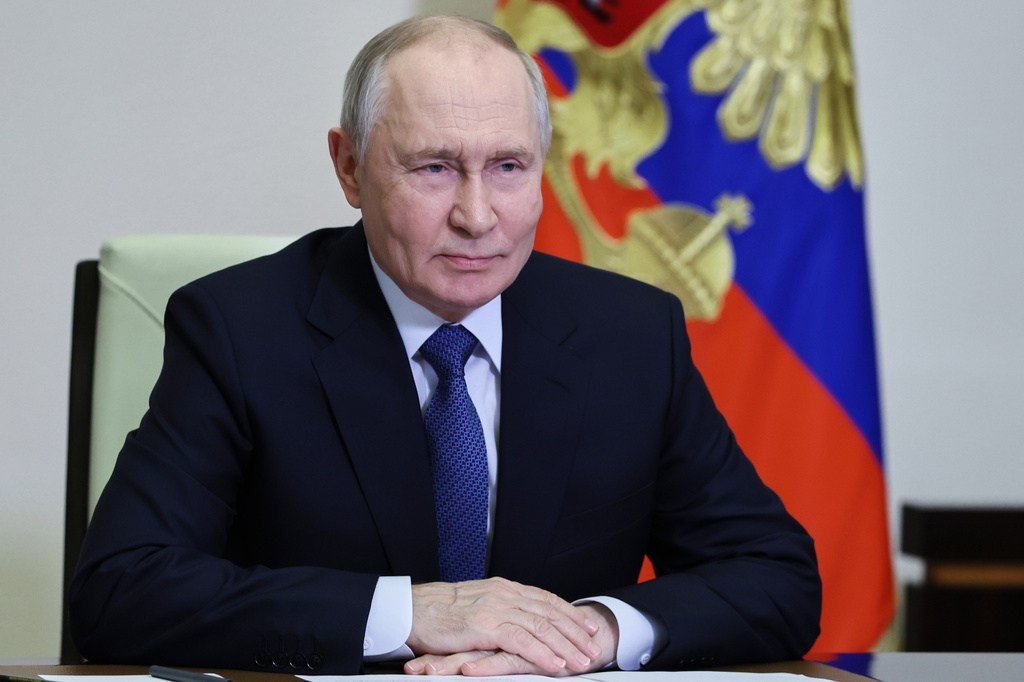
Putin's air defenses have proven unable to stop the drones, even those reaching Moscow, so he has turned to Trump to act as a shield for Russia's energy sector. The deal hands the Kremlin a fresh revenue stream in the middle of a war, effectively bailing out an economy straining under double-digit interest rates and labor shortages.
When Ukrainian President Volodymyr Zelensky resisted, the administration escalated to battlefield coercion. U.S. envoys Steve Witkoff and Jared Kushner warned that critical intelligence sharing could be cut off if Ukraine persisted in hitting Russian oil refineries. Reports indicate that early warnings of incoming Russian ballistic missiles may have been withheld, a lapse that resulted in six Ukrainian deaths and knocked out power for 600,000 people.
Beyond intelligence, the Pentagon was reportedly ordered to impose speed restrictions on Starshield terminals used by Ukrainian forces, cutting data links whenever a terminal exceeds 100 miles per hour—a change that would cripple high-speed interceptor and strike drones in active combat. The financial squeeze is equally blunt: Witkoff and Kushner have pressed European capitals to transfer billions in frozen Russian central-bank assets into a Washington-run mechanism to "revive peace talks." European leaders have rejected the pitch, recognizing it would bail out Russia's war economy and strip Europe of reserves needed to fund Ukraine's defense independently.
The timing of this three-pronged assault is no accident. Even a Democratic takeover of the House alone—let alone a sweep that includes the Senate—would upend the campaign. A bipartisan group of senators, including Republicans like Mitch McConnell and John Cornyn, is already demanding Trump rescind the diesel deal. If Democrats take control in January, they would have the budgetary and investigative power to lock in intelligence sharing by statute, force the Pentagon to restore full Starshield access, pass multi-year military aid, and keep Russian assets frozen.
For Putin, another two years of attritional war against a fully funded Ukraine is a prospect he may not survive. He desperately needs an end to refinery strikes, restored oil revenues, and a crippled Ukrainian military before American voters strip Trump of his ability to deliver them. This pressure campaign will fail, because Ukrainians are not going to trade away their survival to rescue Trump and Putin from their respective political calendars. Tragically, it has already cost Ukrainian lives, and it will cost more as Russian missiles hit cities denied early warnings and power grids fail in the autumn cold.
Kyiv and its European allies need to hold their nerve through the end of the year. The sheer desperation of this squeeze proves that time is no longer on Moscow's side. Strong leaders do not scramble to beat a voting deadline. Ukraine's task is to weather the extortion, keep the drones flying toward Russia's refineries, make sure Europe keeps the frozen Russian assets under lock and key, and wait for January.