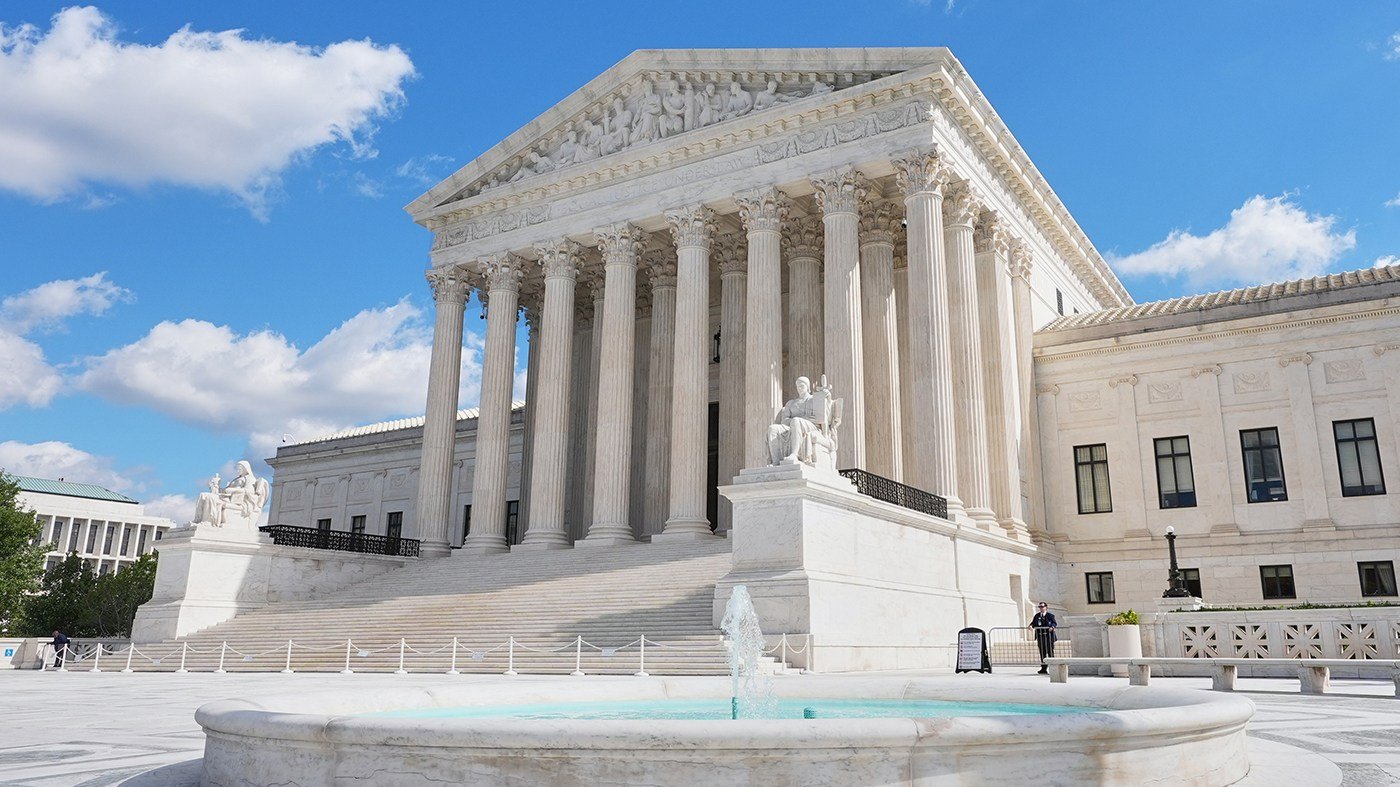
The Supreme Court on Monday swiftly rejected the Trump administration's emergency request to compel California election officials to segregate roughly 20,000 ballots that the administration claims may have been cast by noncitizens. The one-sentence order, issued without explanation and with no noted dissents, effectively ends the federal government's last-minute attempt to intervene in the state's vote-counting process just hours before polls opened.
The administration had argued that time was of the essence, warning that once ballots are processed, they cannot be separated. Solicitor General D. John Sauer wrote in the emergency filing that the only way to preserve the possibility of a remedy after a full merits review was to isolate the disputed ballots immediately, adding that such a step would not impose an undue burden on California. “The only way to preserve the district court’s ability to grant relief to the United States after a full merits proceeding, therefore, is to segregate the challenged ballots now,” he wrote.
California and immigrant-rights advocates, however, have questioned the accuracy of the administration's list and accused the federal government of attempting to disenfranchise eligible voters. They noted that the state's voter rolls are regularly updated and that citizenship checks are already in place. The state had successfully argued in lower courts that the administration lacked legal standing to force such a segregation, and the Supreme Court's refusal to intervene aligns with those rulings.
The dispute is part of a broader legal battle over the administration's efforts to investigate alleged noncitizen voting, which critics say is a pretext for voter suppression. Earlier this month, the Justice Department demanded sanctions over California's handling of voter data, and the DOJ has also fought sanctions in related proceedings. These moves have intensified the standoff between the federal government and the state's election officials.
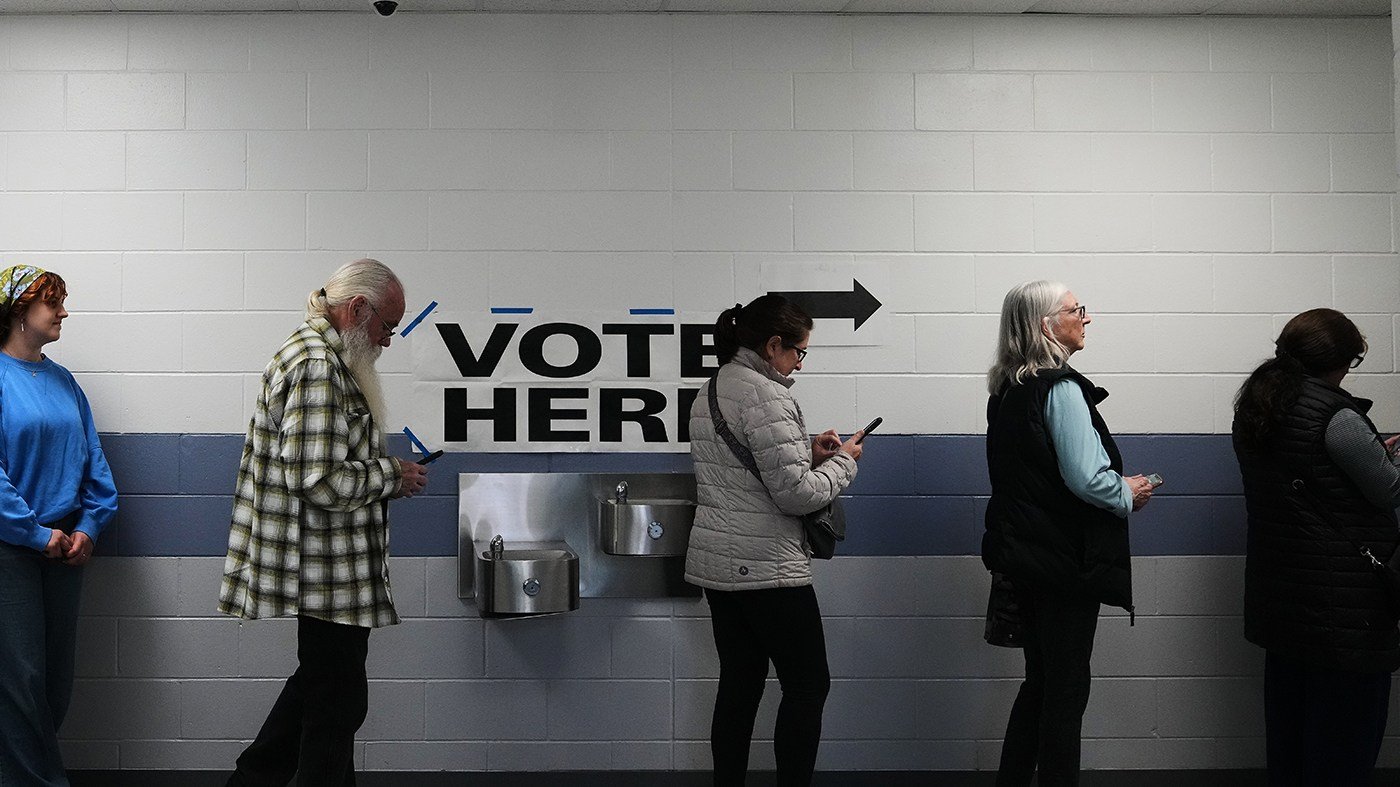
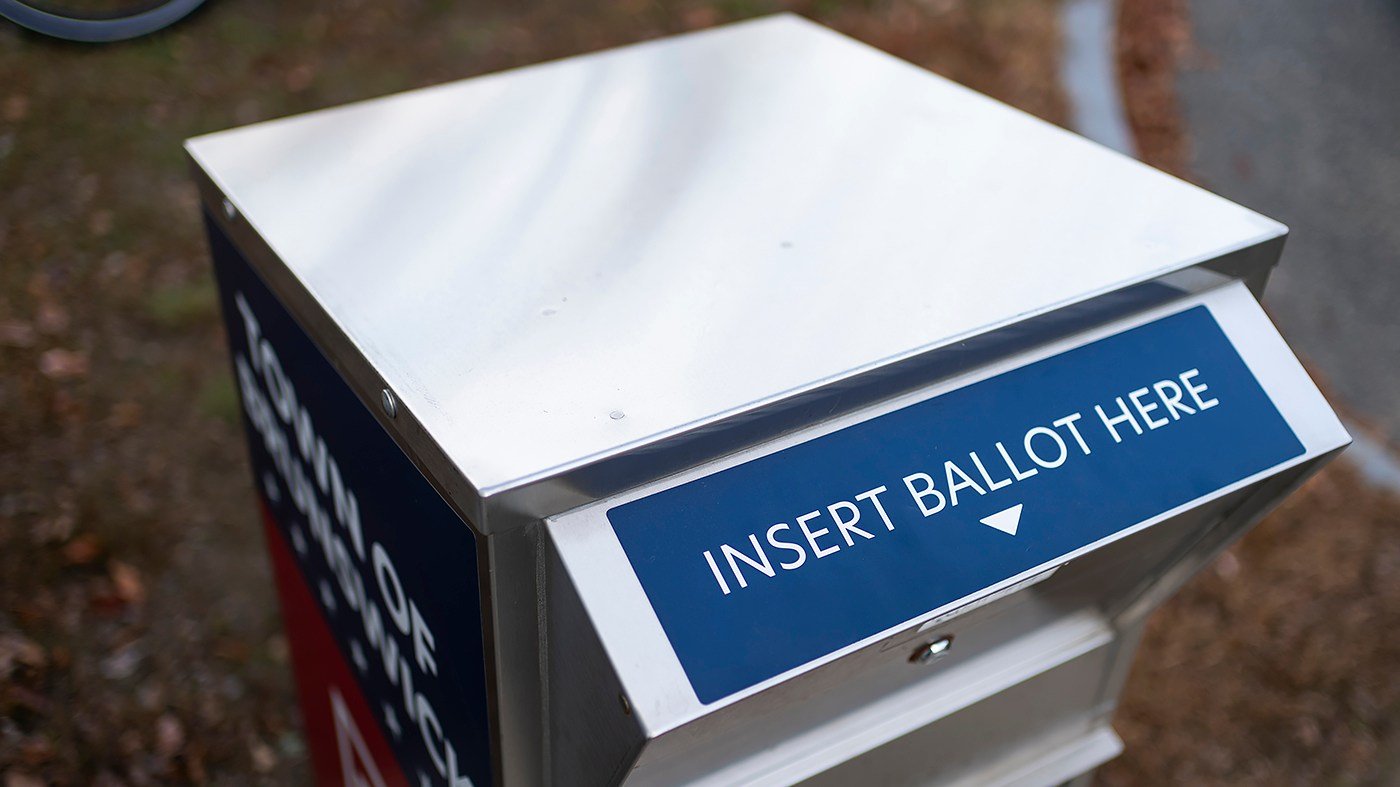
The administration's request came after California had already received hundreds of thousands of mail-in ballots, and election officials were preparing to begin counting them on Tuesday. With the court's rejection, those ballots will be processed normally, and any challenges to their validity will have to be raised through other means after the election.
Legal experts say the Supreme Court's summary denial signals that the justices saw little merit in the administration's emergency argument, particularly given the lack of a response from California. The order also underscores the high bar for federal interference in state election procedures, especially when such requests come on the eve of an election.
The decision is a setback for the administration, which had hoped to use the courts to scrutinize ballots it believes could tip the balance in closely contested races. With the midterm elections looming, the ruling could have implications for how similar disputes are handled in other states, as the administration has signaled it may pursue further legal action in the coming days.
For now, California voters can expect their ballots to be counted without the shadow of federal intervention, though the underlying legal questions about noncitizen voting and federal oversight of elections are unlikely to disappear. The case remains a flashpoint in the broader national debate over election integrity and access to the ballot box.