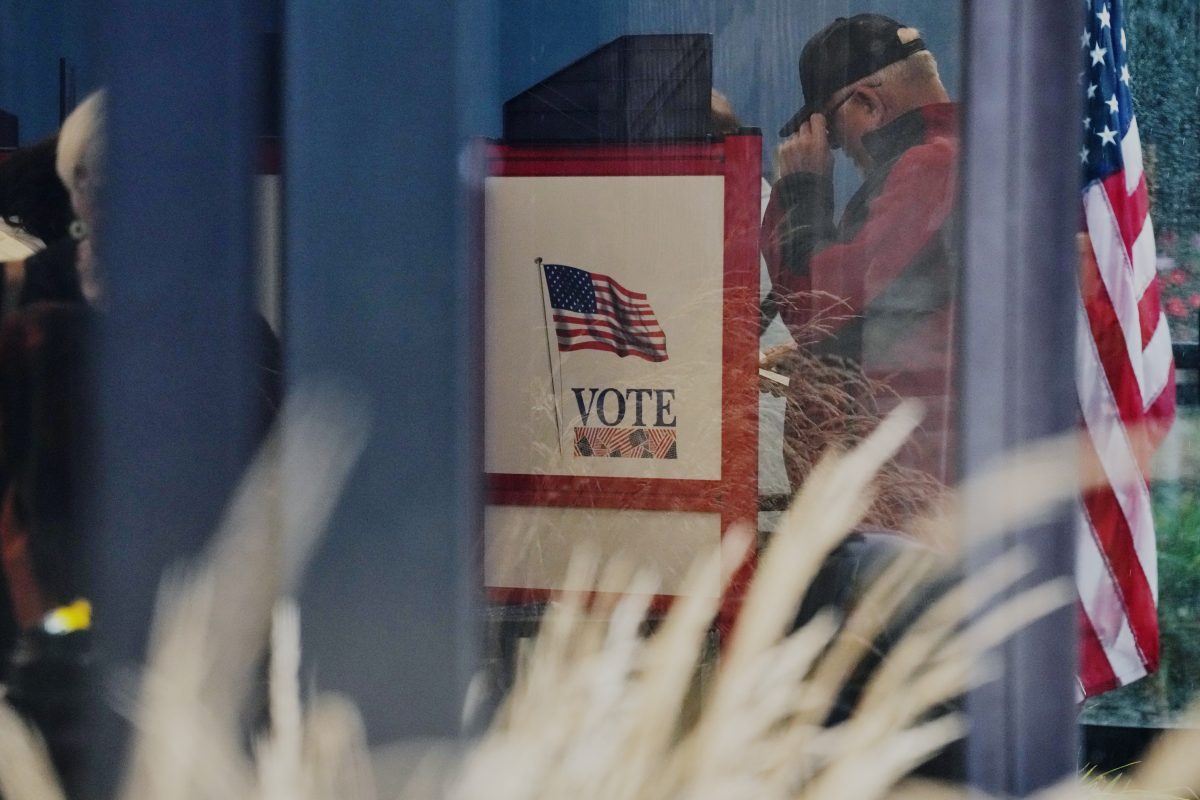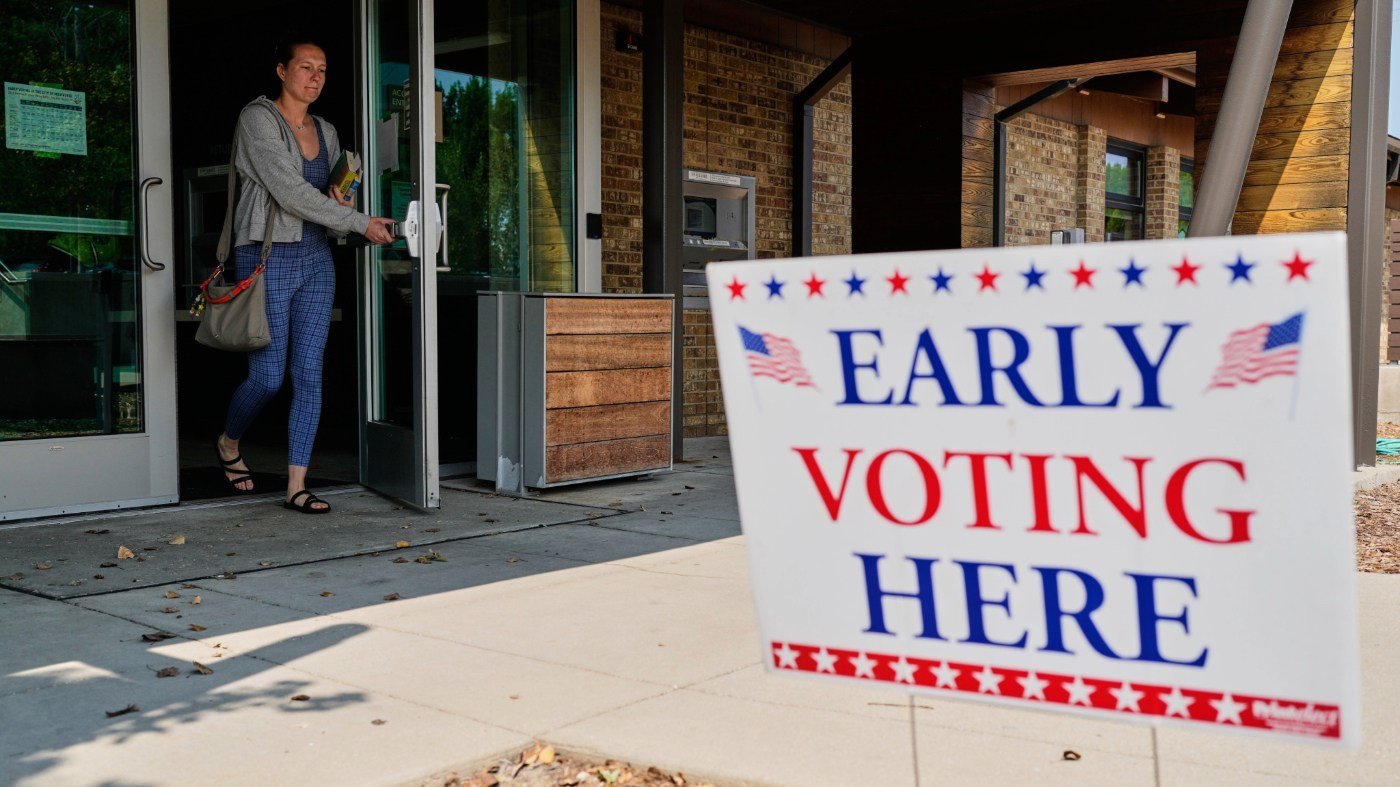
As voters head to the polls this Election Day, the stakes extend far beyond which party controls Congress. For millions of Americans struggling with soaring costs for gas, groceries, and healthcare, this election is a referendum on whether the American Dream remains attainable. Yet the most pressing concern may be whether President Trump will respect the outcome if his preferred candidates lose.
Polling from NBC News in October showed 71% of Americans believe the country is on the wrong track, and Trump's approval rating sits below 40%. His administration's policies—ranging from tariffs to a war with Iran—have fueled an affordability crisis he dismisses as a hoax. These failures have energized Democratic voters, giving the party realistic hopes of flipping seats in traditionally red states.

But Trump has repeatedly signaled he will not accept defeat gracefully. Having urged voters to treat him as if he were on the ballot, he has framed the midterms as a personal verdict. If Republicans lose control of the House or Senate, the president may resort to extraordinary measures—challenging election results, filing baseless lawsuits, and potentially deploying federal agencies to contest legitimate outcomes.
His track record is telling. After losing the 2020 presidential race to Joe Biden, Trump and his allies filed 76 unsuccessful lawsuits. He still denies that loss. Now, as election night results come in, we should expect similar tactics: the Justice Department and Republican groups may file suits to overturn close losses, and Trump may claim fraud without evidence.
The administration has already tested these waters. It challenged Alaska's Senate race outcome and sought to disqualify up to 20,000 California ballots and hundreds in Washington state. A federal judge blocked that move, warning it endangered democracy; the Supreme Court rebuffed Trump's bid to intervene. Yet the president shows no sign of backing down.
Trump's broader disregard for legal and constitutional constraints is well documented. He has monetized his office, pursued personal business deals, and rolled back civil rights and voting protections. His trade wars bypassed congressional approval, and his Iran war—launched on Feb. 28—has cost billions and resulted in military casualties, despite his promise it would last only four to five weeks.
Now, there is a frightening possibility that Trump will use the FBI, Homeland Security, or even the military to seize voting machines or take other unprecedented actions to keep Republicans in power. While such warnings may sound alarmist, remember that few predicted the Jan. 6, 2021 Capitol riot. The precedent exists.
For those who haven't yet voted, casting a ballot is more than a civic duty; it's a defense of democratic institutions. A Democratic majority in Congress would impose checks on Trump's power and hold him accountable. As AI firms monitor election disinformation, voters must remain vigilant against efforts to undermine their choices.
The choice is stark: continued Republican control would embolden Trump's autocratic tendencies, while a Democratic win could restore guardrails. As Donna Brazile, former DNC chair, wrote, it is our solemn duty to exercise our hard-fought right to vote and make our voices heard—even if Trump refuses to listen.