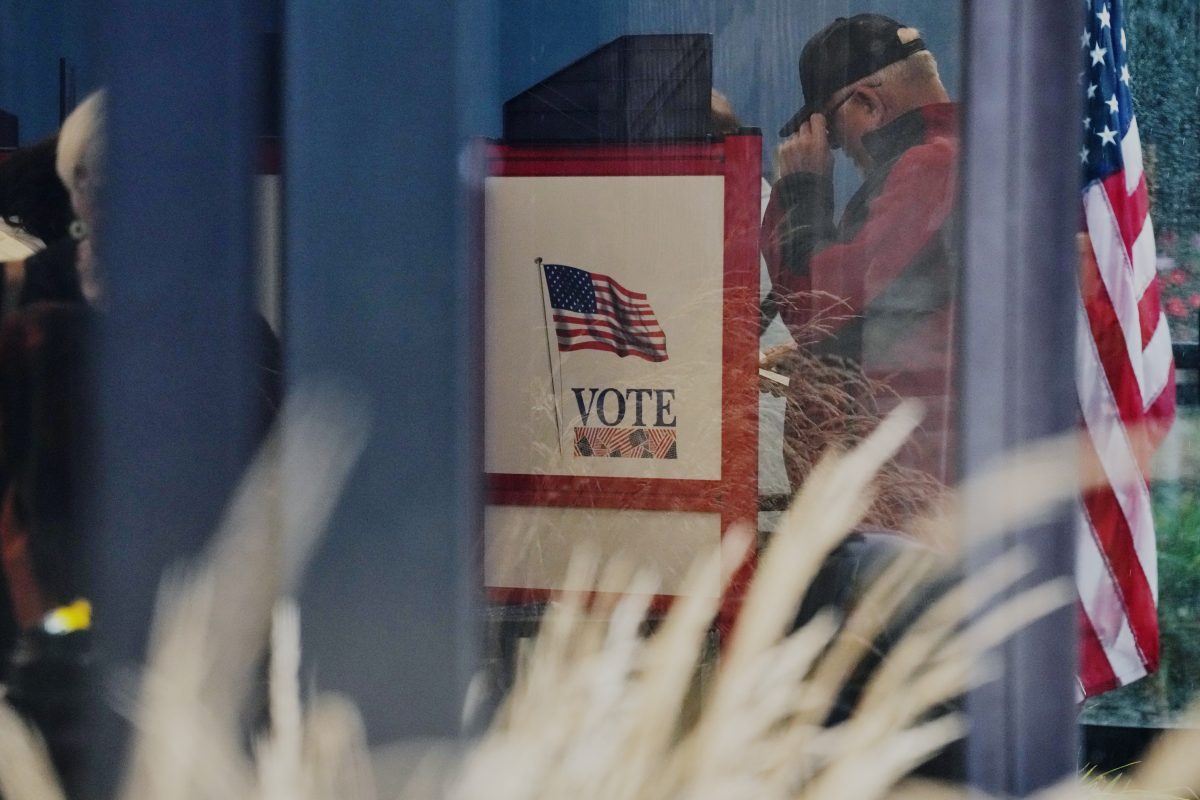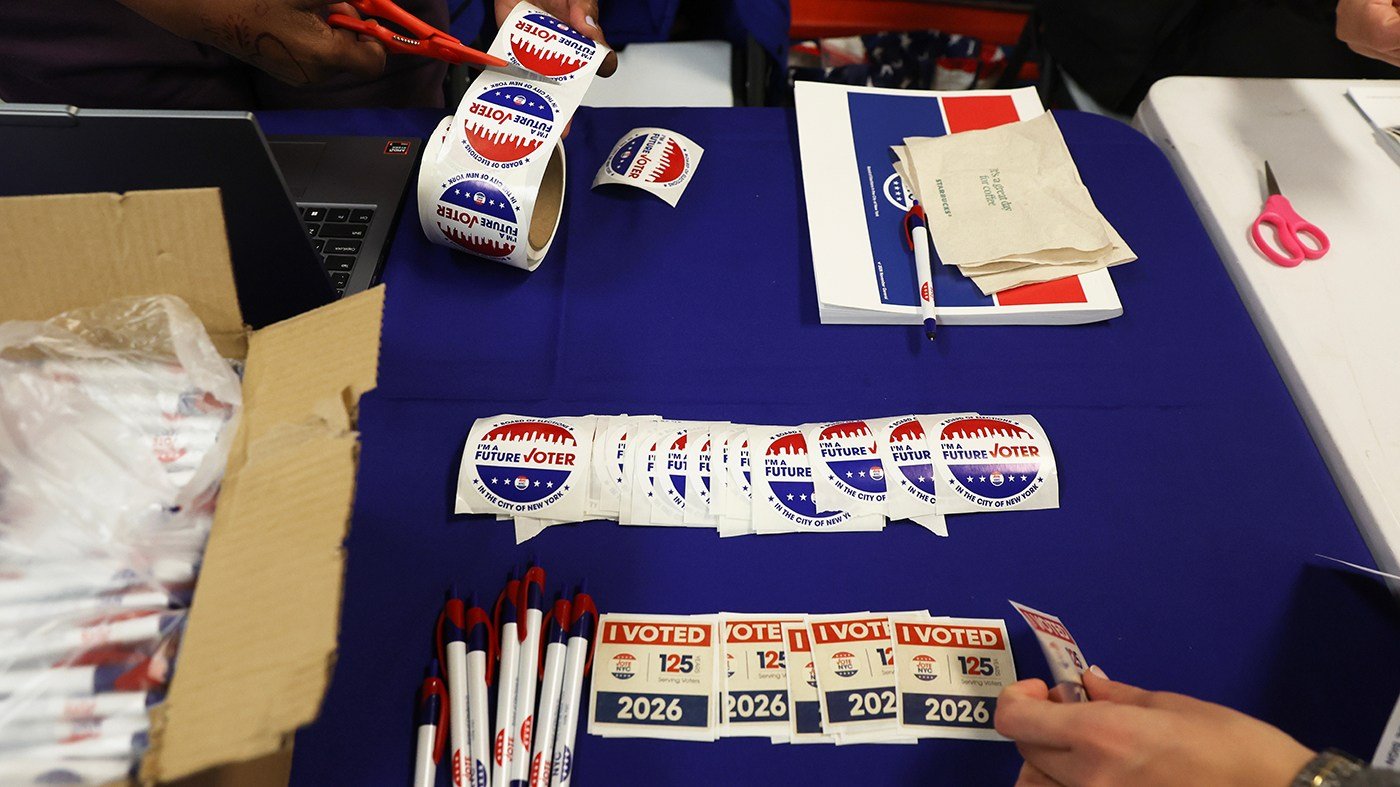
Election Day has arrived, and political observers should prepare for a lengthy night as results begin to trickle in from 6 p.m. EST onward. Control of both chambers of Congress hangs in the balance, and while the final vote counts may stretch over days or even weeks, Tuesday night's projections will start to clarify which party is poised to wield power on Capitol Hill.
Democrats face a steep climb: they must flip four Republican-held Senate seats and net three GOP House seats to take either chamber. A drawn-out evening generally favors Republicans, especially if key battleground races remain too close to call well into the night.
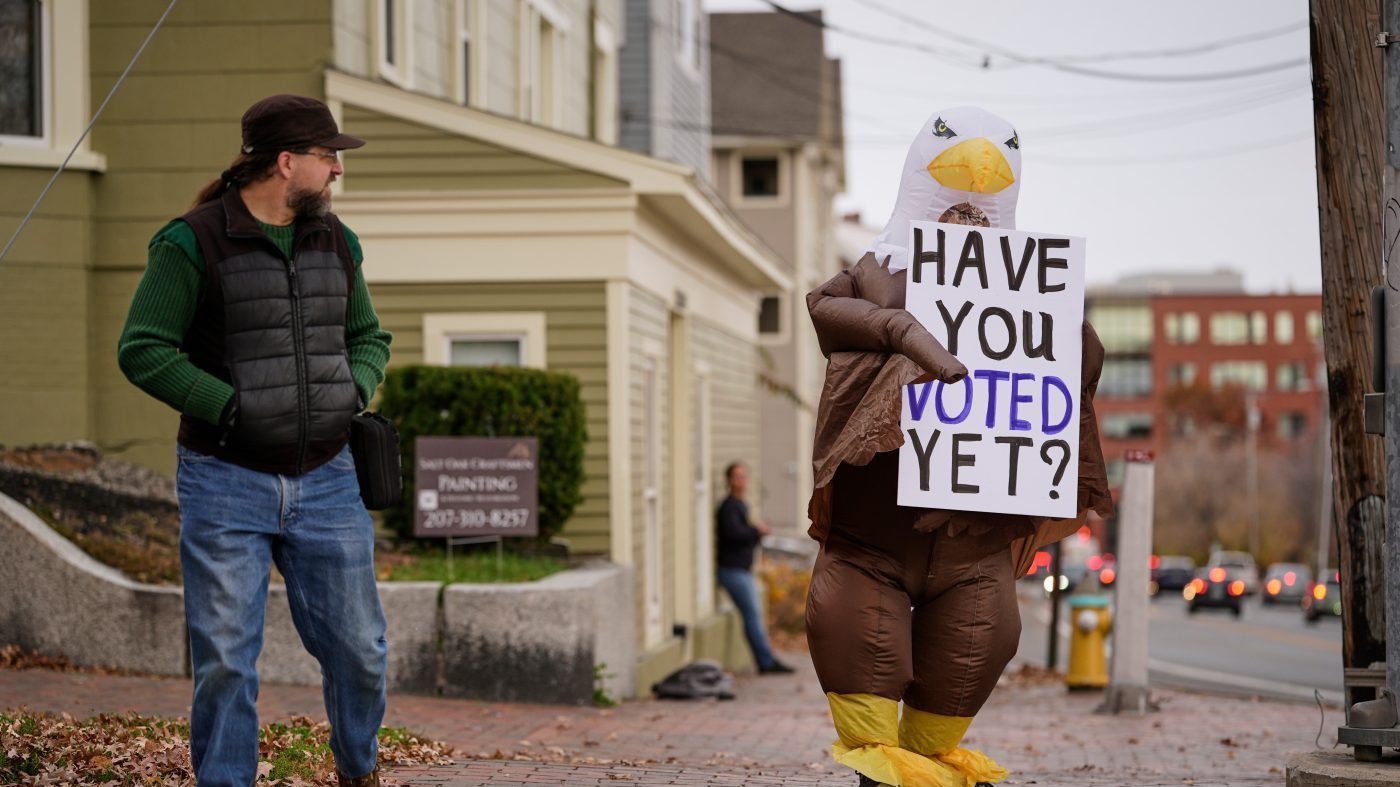
“If the polls are right, the generic ballot is relatively right, we’re going to be able to project pretty early in the night,” said Geoffrey Skelley, chief election analyst at Decision Desk HQ (DDHQ), in comments to The Hill.
Here is what to expect hour by hour as polling places close across the country.
6 p.m. EST: First Closings in the East
Polls close in parts of Kentucky and Indiana, where a handful of competitive House races could offer early signals. These are not expected to be decisive, but they may set the tone for the night. The first Senate race to watch is in Kentucky, where Democratic incumbent Amy McGrath faces a tough challenge from Republican Mitch McConnell—though most analysts rate this race as leaning Republican.
7 p.m. EST: Georgia and Virginia Enter the Fray
Georgia's Senate runoff and Virginia's gubernatorial race headline the 7 p.m. wave. Georgia's contest between Democratic incumbent Raphael Warnock and Republican Herschel Walker is among the most closely watched races in the country, with both parties pouring resources into the state. Virginia's gubernatorial race between Democrat Terry McAuliffe and Republican Glenn Youngkin could provide an early bellwether for suburban voter sentiment. Early results from these states will begin to shape the national narrative.
8 p.m. EST: The Battleground Surge
This is the critical window. Polls close in Pennsylvania, North Carolina, Ohio, and Florida—states that host several of the most competitive Senate and House races. Pennsylvania's Senate race between Democrat John Fetterman and Republican Mehmet Oz is expected to be extremely tight, and its outcome could determine control of the Senate. Florida's gubernatorial race between incumbent Ron DeSantis and Democrat Charlie Crist is also a key test of GOP strength in the Southeast. Projections in these states will likely dominate the evening's coverage.
9 p.m. EST: Midwest and Mountain Time Zones
Polls close in Michigan, Wisconsin, and Arizona, among others. These states feature several toss-up House races and a handful of Senate contests. Arizona's Senate race between Democrat Mark Kelly and Republican Blake Masters is another potential tipping point. Additionally, Michigan's governor race and Wisconsin's Senate race will be closely scrutinized for signs of a broader Democratic wave or a resilient Republican base.
10 p.m. EST: Western States and Late Calls
Nevada and Colorado close their polls, with Nevada's Senate race between Democrat Catherine Cortez Masto and Republican Adam Laxalt likely to be one of the last to be called. Oregon and Washington also close, but their outcomes are less competitive. By this hour, most networks will have made initial projections on the House, though several races in the West could remain uncalled.
Midnight and Beyond: The Long Haul
If the night remains too close to call in key states, final results could slip into Wednesday morning or even later. In 2020, several Senate races took days to resolve due to mail-in ballot processing. Analysts caution that a protracted count does not necessarily signal fraud but rather reflects state election laws and the volume of absentee ballots.
For those following the most competitive Senate races and the broader shift in congressional power, the night promises to be a marathon. As live coverage unfolds, keep an eye on the key states at each hour—and be prepared for a late finish.