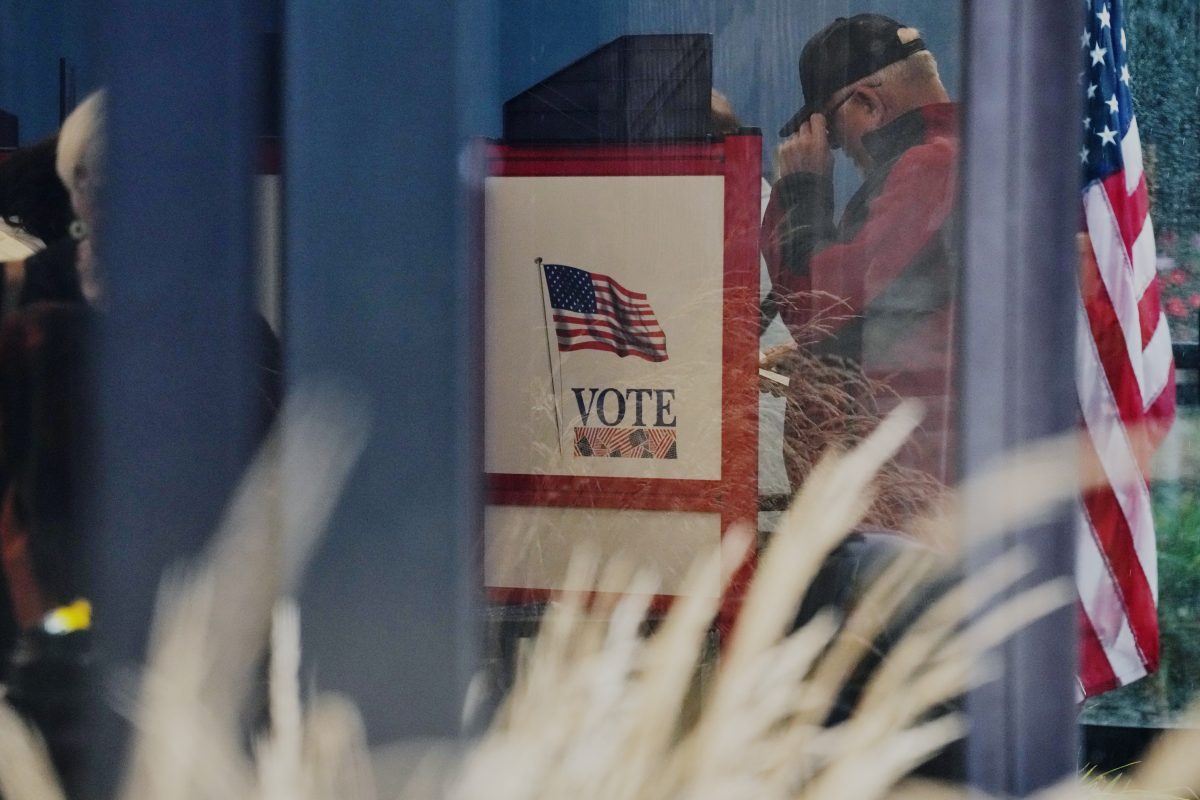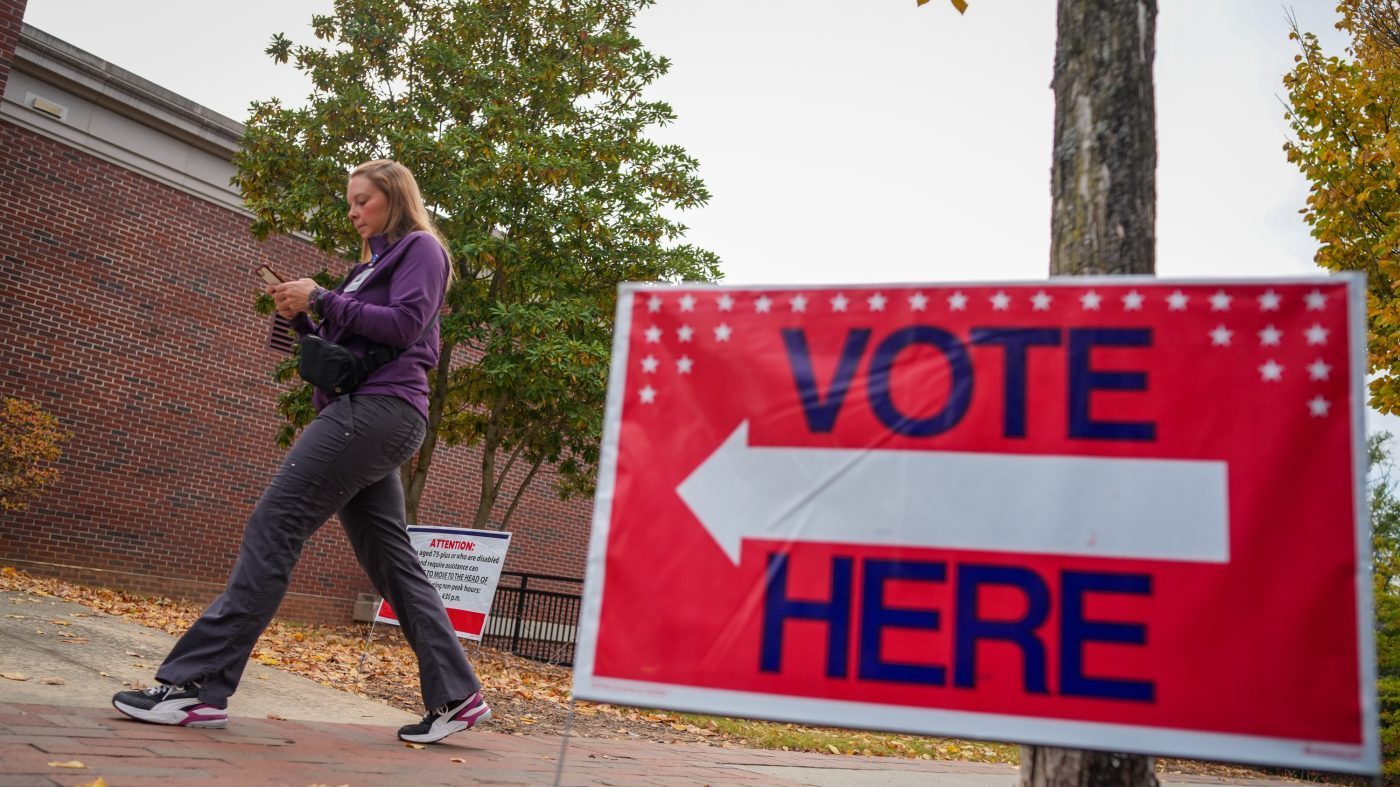
The full 9th U.S. Circuit Court of Appeals voted late Monday to reconsider the Trump administration's appeal of a lower court order that had barred federal officials from threatening election workers with prosecution if they failed to set aside ballots suspected of being cast by noncitizens. The decision came just hours after a divided three-judge panel had lifted the restraining order, allowing the Justice Department to resume its demands on states.
Chief Judge Mary Marguia, an Obama appointee, issued a late-night order stating that the panel's decision was vacated after a majority of the court's nonrecused active judges agreed to rehear the case en banc. This move effectively suspends the panel's ruling while the full court takes up the matter.
Background of the Dispute
The lawsuit was filed last week by two labor unions and political-interest groups after the Justice Department sent letters to California and Washington, urging state officials to check voter rolls for potential ineligible voters and to sequester mail-in ballots until citizenship status could be verified. One letter, addressed to Los Angeles officials, warned of “significant federal scrutiny and legal exposure” if they did not comply.
The challengers accused the administration of unlawfully attempting to interfere with the midterm elections by coercing election officials with threats, arguing that such actions could disenfranchise lawful voters. They sought a court order to stop the DOJ from using intimidation tactics.
Panel Ruling and Dissent
In the earlier panel decision, Judges Carlos Bea and Consuelo Callahan, both George W. Bush appointees, found that the government was likely to succeed on the merits. They wrote that the DOJ's actions fell within the scope of “core Executive functions” and did not “actually disturb” the states' constitutional right to administer their elections or violate federal voting rights law.
“We therefore decline Plaintiffs' invitation to read the VRA [Voting Rights Act] as rendering the Executive's exercise of those functions as unlawfully intimidating, threatening, or coercive,” the majority opinion stated.
Chief Judge Marguia dissented, arguing that the majority's holding “cannot be reconciled” with an earlier 9th Circuit decision that rejected the Trump administration's bid to set aside 20,000 California ballots. She emphasized that the executive branch had “no right” to dictate election procedures to the states.
“And if Defendants cannot dictate these procedures directly, then they likewise cannot dictate them by subjecting vulnerable election workers to baseless—but chilling—threats of federal prosecution,” Marguia wrote. “The Constitution's allocation of election procedures to the states is meaningless if Defendants can coerce states into foregoing their chosen procedures by abusing their prosecutorial powers.”
Supreme Court Action
Earlier on Monday, the Supreme Court turned away the Trump administration's emergency request to segregate the California ballots, a separate but related matter that has drawn attention. The high court's refusal to intervene underscores the contentious nature of the administration's efforts to alter election procedures.
This case is part of a broader pattern of legal challenges surrounding the 2026 midterms, with observers warning of potential post-election legal warfare that could subvert the results. The 9th Circuit's decision to rehear the case en banc adds another layer of uncertainty as election officials prepare for the upcoming vote.
The full court's review could have significant implications for how federal agencies interact with state election officials. Legal experts say the outcome may clarify the limits of executive power in election administration, a topic that has become increasingly contentious in recent years.
With the midterms approaching, the ruling could also affect voter confidence, especially in states like California and Washington, where the letters were sent. The case is being closely watched by voting rights advocates and election administrators nationwide.
As the legal battle continues, election officials in the affected states are left to navigate the conflicting directives from the courts and the executive branch. The en banc hearing is expected to be scheduled in the coming months, but the timing remains uncertain given the urgency of the election cycle.