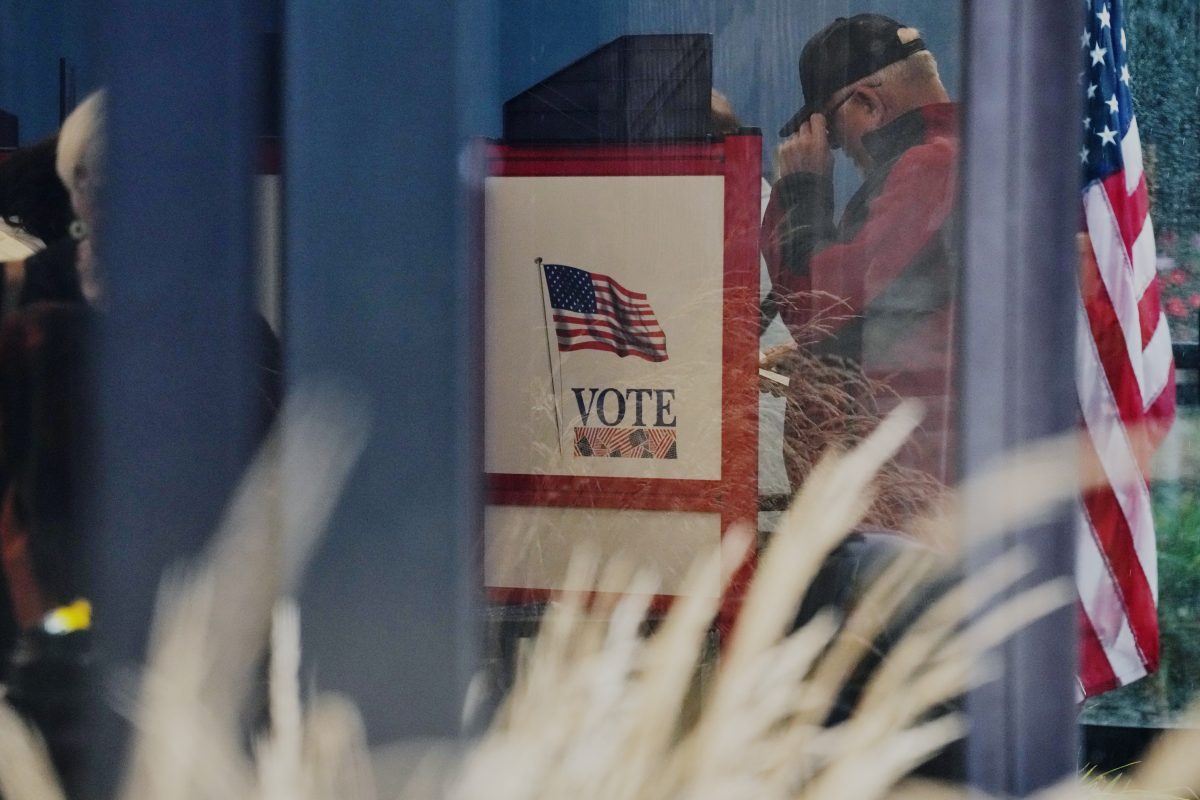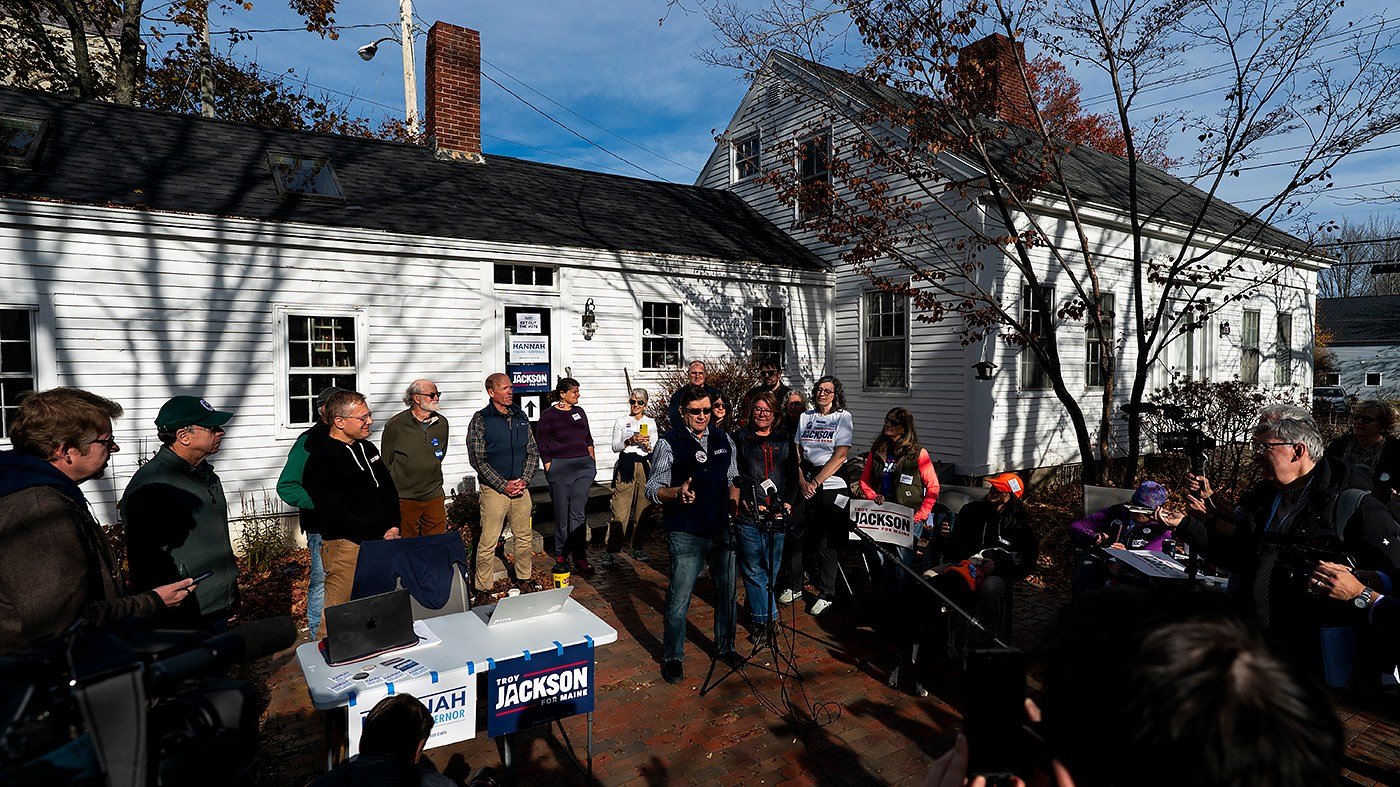
Voters are casting ballots Tuesday in a high-stakes midterm election that will determine control of Congress and test the durability of President Trump's political influence. Democrats are hoping to ride a wave of discontent to flip the House and Senate, while Republicans are fighting to hold their majorities against a well-funded and energized opposition.
President Trump has been a ubiquitous presence on the campaign trail, holding 28 in-person rallies in recent months along with numerous tele-rallies. His travel has taken him to battlegrounds like Ohio, Texas, Iowa, Kansas, and Alaska, but also to deeply Republican states such as Mississippi and South Carolina, where races have become unexpectedly competitive—a sign of the shifting political landscape.
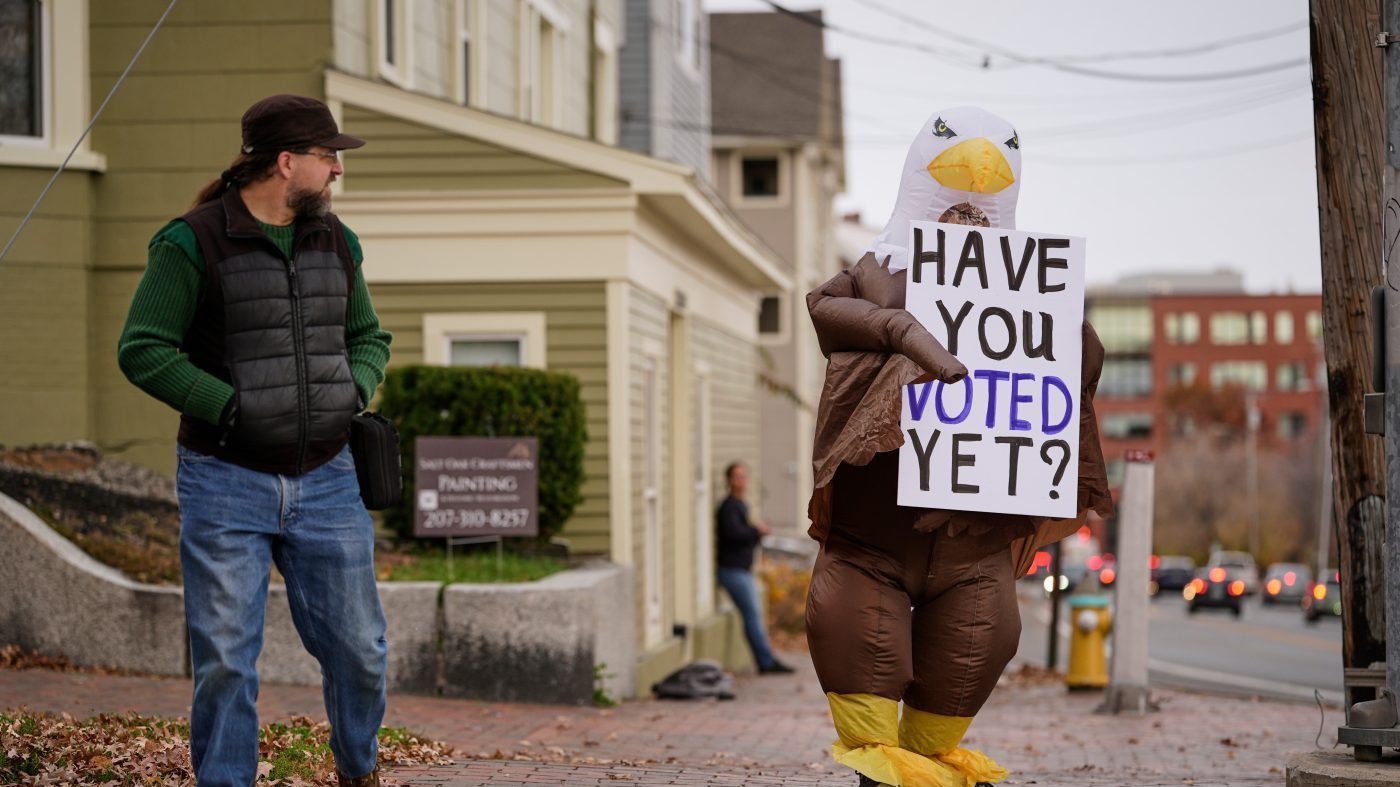
Forecasters are increasingly bullish on Democratic chances. The Cook Political Report on Monday moved Michigan's Senate race from a toss-up to lean Democratic, while Decision Desk HQ projects Democratic pickups in Texas, Alaska, and Maine—a scenario that would likely give the party control of the upper chamber. Analyst Nate Silver has gone further, predicting a “blue tsunami” that could reshape the political map. For a detailed look at the key races, see our Senate control hangs in balance analysis.
Beyond the Senate, the battle for the House is equally intense, with several swing districts in Pennsylvania expected to play a decisive role. That state's battleground seats could tip the balance of power, and both parties have poured resources into the region. Meanwhile, the Supreme Court on Monday rejected a Trump campaign bid to isolate roughly 20,000 ballots in California, a ruling that could have implications for close races elsewhere.
The president is scheduled to host an election night viewing reception at the White House, where he will watch results come in with aides and allies. The evening is likely to be a tense one for the administration, as early returns may signal whether the predicted Democratic wave materializes.
In a separate development, the United States on Monday renewed airstrikes in Iran, targeting radar detectors and missile launchers on Qeshm Island. The strikes come as Trump weighs further military action in the region, with diplomats reportedly pushing for a negotiated deal. The timing of the strikes—just hours before the polls opened—has drawn criticism from some Democrats, who accuse the president of using foreign policy to distract from domestic issues. For more on the administration's options, see our piece on Trump's Iran strike considerations.
Technology companies are also bracing for a chaotic election night. Several AI firms have set up “war rooms” to monitor and counter misinformation, and are deploying new voter tools to help users find accurate polling information. These efforts are part of a broader push to ensure the integrity of the electoral process, though experts warn that the speed of social media could outpace fact-checking. Learn more about these AI election day preparations.
As the night unfolds, all eyes will be on the key battlegrounds and the early signals they send. With control of Congress on the line, the results will shape the remainder of Trump's term and set the stage for the 2026 midterms. For a state-by-state breakdown, consult our election night hour-by-hour guide.