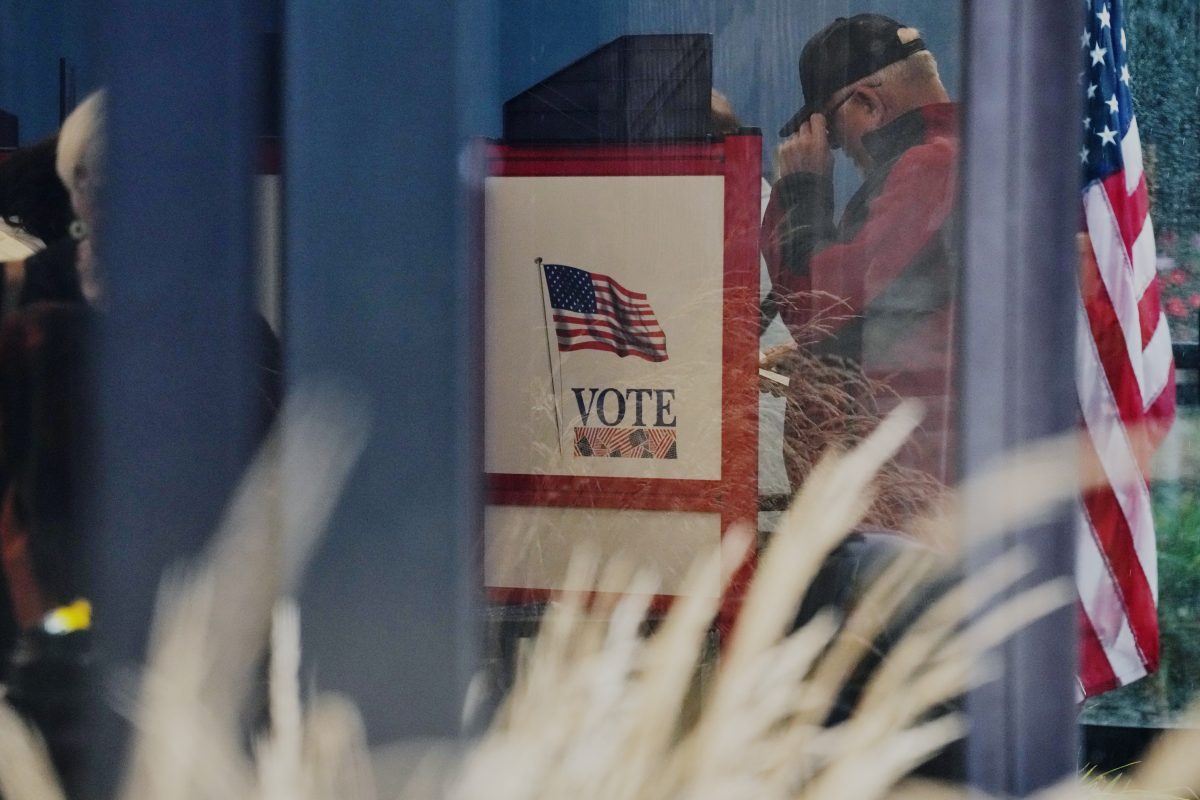
Election Day is here, and Democrats are on the cusp of reclaiming the Senate, according to the latest polling averages. If voter behavior matches surveys, the party could flip as many as eight Republican-held seats, handing them a narrow majority. The projected wave is driven by President Trump's sagging approval ratings, public frustration over inflation, the ongoing conflict with Iran, and the economic disruption caused by AI-driven data centers—all of which have created a hostile environment for GOP candidates.
Yet Republicans are not conceding. Senate GOP incumbents and allied outside groups have significantly outspent Democrats in the battleground states, many of which have historically leaned Republican. Internal Democratic divisions in Michigan and a corruption scandal in Minnesota have also given Republicans hope of holding onto two Democratic-held seats, potentially offsetting losses elsewhere.
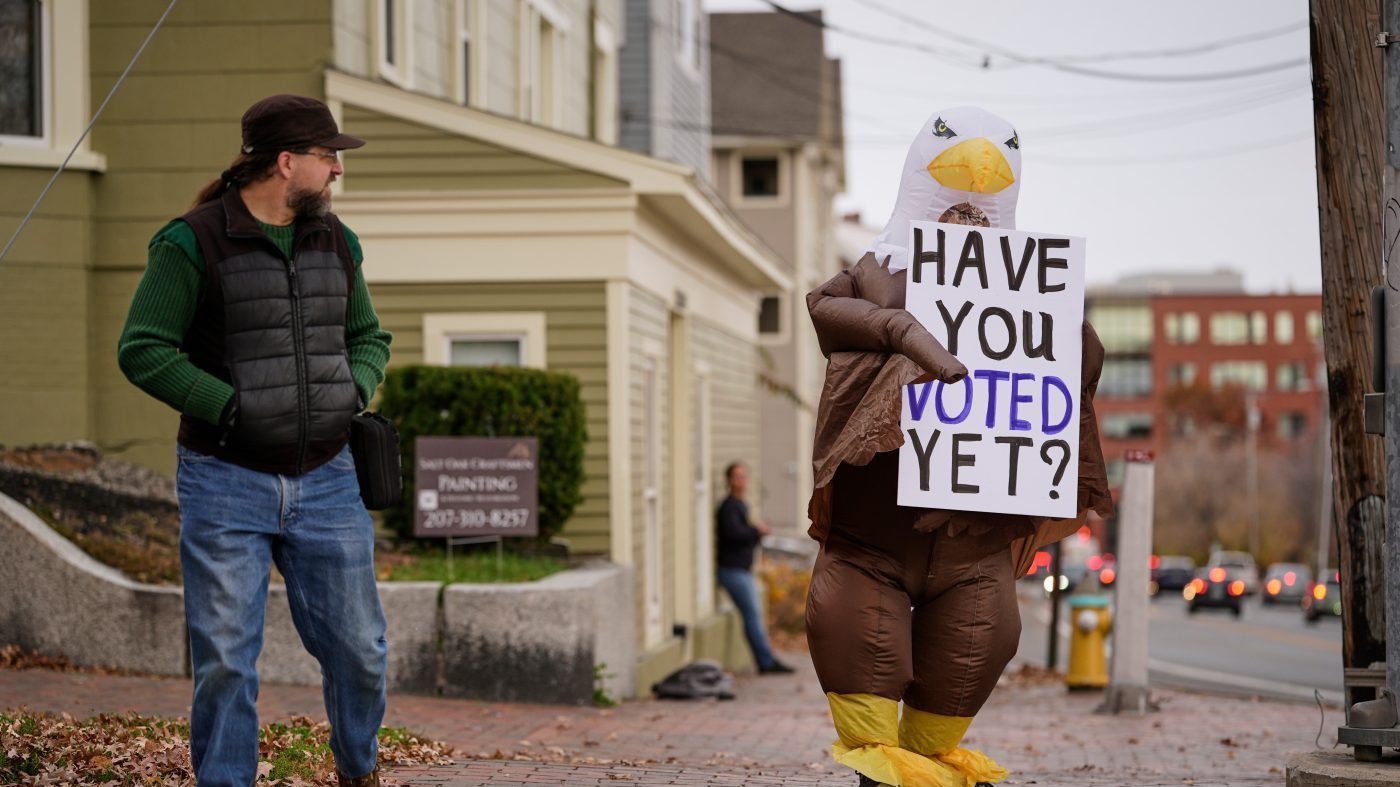
Most key races remain within the margin of error, leaving both parties bracing for a long night. Republicans are clinging to the possibility that their financial advantage and local dynamics will overcome the national headwinds, while Democrats are cautiously optimistic about their momentum. Here are the ten Senate seats most likely to flip, ranked by the current political landscape.
North Carolina
Democrats have had virtually everything break their way in the Tar Heel State. Their top recruit, former Governor Roy Cooper, entered the race, and two-term Republican Senator Thom Tillis announced his retirement last June after clashing with Trump over Medicaid cuts. GOP candidate Michael Whatley, the former state party chair, has struggled with low name recognition compared to Cooper.
By late summer, Republican strategists conceded the race was slipping away, and Senate GOP super PACs canceled millions in ad reservations for September. Trump carried North Carolina by just over three points in 2024, but the Cook Political Report now rates this seat as “likely Democratic.”
Ohio
Senate Democratic Leader Chuck Schumer scored another recruiting win by persuading former Senator Sherrod Brown to run again. Brown, who lost narrowly in 2024 to Senator Bernie Moreno, is now favored over incumbent Republican Jon Husted. Brown and his allies have hammered Husted over his past support for data centers, prompting Husted to sponsor the Ratepayer Protection Act. Polls show Brown leading by an average of two points, according to Decision Desk HQ.
Alaska
Former Representative Mary Peltola has emerged as Democrats' best hope to unseat two-term Senator Dan Sullivan in a GOP-leaning state. Peltola proved her statewide appeal by winning a special election in 2022 and a full term that November. Sullivan has been hurt by high energy costs and healthcare premiums, and Peltola holds a narrow lead in recent polls.
The race was roiled last week when The New York Times reported that a Democratic operative allegedly recruited a little-known candidate named Daniel J. Sullivan to run as a spoiler, potentially siphoning votes from the incumbent. Peltola denied any involvement, but the controversy could shake up the final stretch.
Maine
Maine has voted Democratic in the last three presidential elections, making Susan Collins's seat a prime target. Collins, however, has a history of defying polls—she won by nearly ten points in 2020 despite trailing in surveys. Democrats coalesced around Troy Jackson after a scandal forced another candidate out, and Jackson leads by about six points in recent polls. Collins remains a formidable opponent, touting her Appropriations Committee chairmanship and her ability to secure tariff exemptions for Maine.
Texas
The Texas Senate race has drawn national attention as a potential upset. Incumbent Republican John Cornyn faces a strong challenge from Democrat Beto O'Rourke, who has narrowed the gap in a state that hasn't elected a Democrat statewide in decades. Polls show a single-digit race, and Democrats are pouring resources into the state, hoping that demographic shifts and suburban dissatisfaction with Trump will tip the balance. Republicans, however, are relying on their ground game and the state's conservative lean to hold the seat.
Pennsylvania
Pennsylvania's Senate race is a toss-up, with incumbent Republican Pat Toomey retiring and both parties fielding strong candidates. Democrat John Fetterman has energized the base with his populist message, while Republican Mehmet Oz has struggled to shake off carpetbagger accusations. The outcome could hinge on suburban Philadelphia, where Trump's unpopularity is a drag on the GOP. Pennsylvania's battleground seats could decide control of both chambers, making this a critical state on election night.
Georgia
Georgia remains a battleground after Biden's narrow win there in 2020. Incumbent Republican David Perdue faces a runoff-style challenge from Democrat Raphael Warnock, who has raised record sums. Perdue has tied himself closely to Trump, but suburban voters in Atlanta have shifted away from the president. Polls show a dead heat, and both parties are bracing for a possible runoff in January.
Wisconsin
Wisconsin's Senate race features incumbent Republican Ron Johnson, who has been a lightning rod for controversy. Democrat Mandela Barnes, the lieutenant governor, has run a disciplined campaign focusing on healthcare and jobs. Johnson's approval ratings are underwater, and recent polls show Barnes with a slight edge. The state's recent history of razor-thin margins makes this a true coin flip.
Nevada
Nevada is another toss-up, with incumbent Democrat Catherine Cortez Masto facing Republican Adam Laxalt. The state's economy has been hit hard by the pandemic, and Republicans are hammering Democrats on inflation and gas prices. Cortez Masto, however, has a strong ground game and leads in most polls, though the margin is within the error.
Florida
Florida's Senate race has tightened in recent weeks, with incumbent Republican Marco Rubio facing a challenge from Democrat Val Demings. Demings, a former police chief, has criticized Rubio for his loyalty to Trump and his votes against election security. Rubio, however, has a strong base and leads in most polls, though Democrats hope a surge in Hispanic and young voters could make it competitive. Democrats are bracing for the Senate verdict as these races unfold.
As the night progresses, all eyes will be on these battlegrounds. Our guide to election night results will help you track the returns as they come in. For now, both parties are preparing for a long night, knowing that a single seat could determine the balance of power.