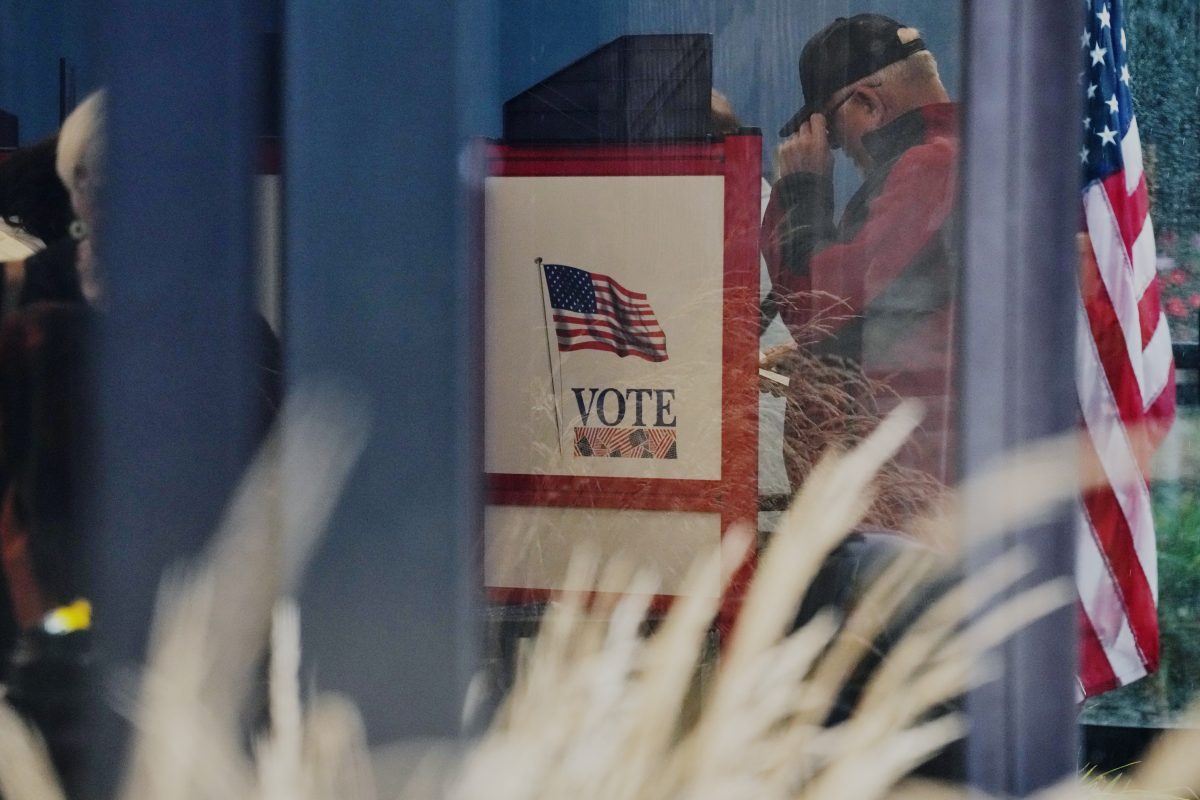
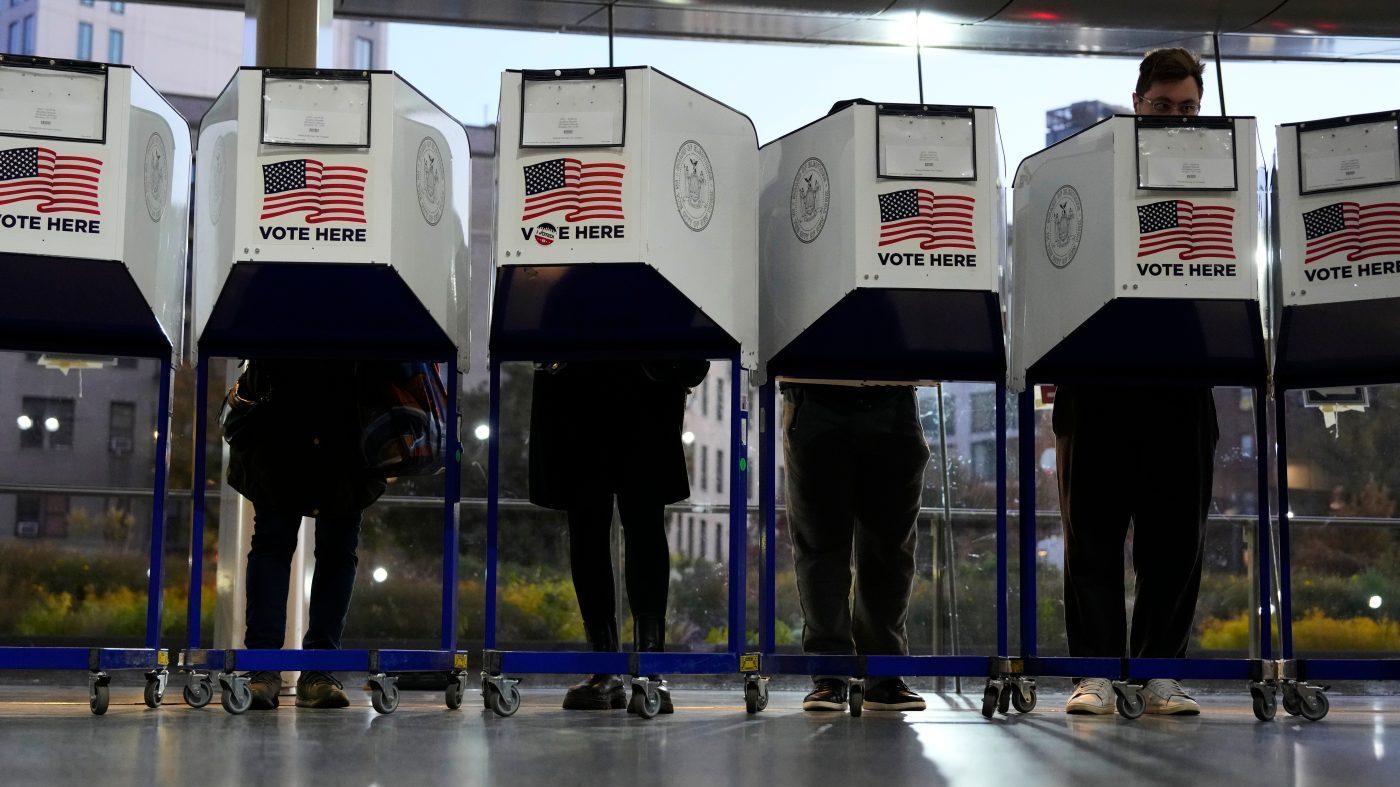
Democrats enter election night with a familiar cocktail of hope and dread—the same 'nauseously optimistic' feeling that has defined their electoral psyche since 2016. Every indicator points to significant gains in Congress and statehouses, yet the memory of 2016, when Hillary Clinton's expected win evaporated, lingers. Even as battlegrounds like Mississippi, South Carolina, and Kansas become competitive, the party cannot shake the fear that it's all a mirage.
The stakes are clear: For most Democrats, success is defined by winning back the Senate. A House majority is seen as all but certain, making the Senate the pass-fail test for a party still smarting from its 2024 defeat. As one veteran party operative put it, 'Another Ted Lasso election. It's the hope that kills you.'
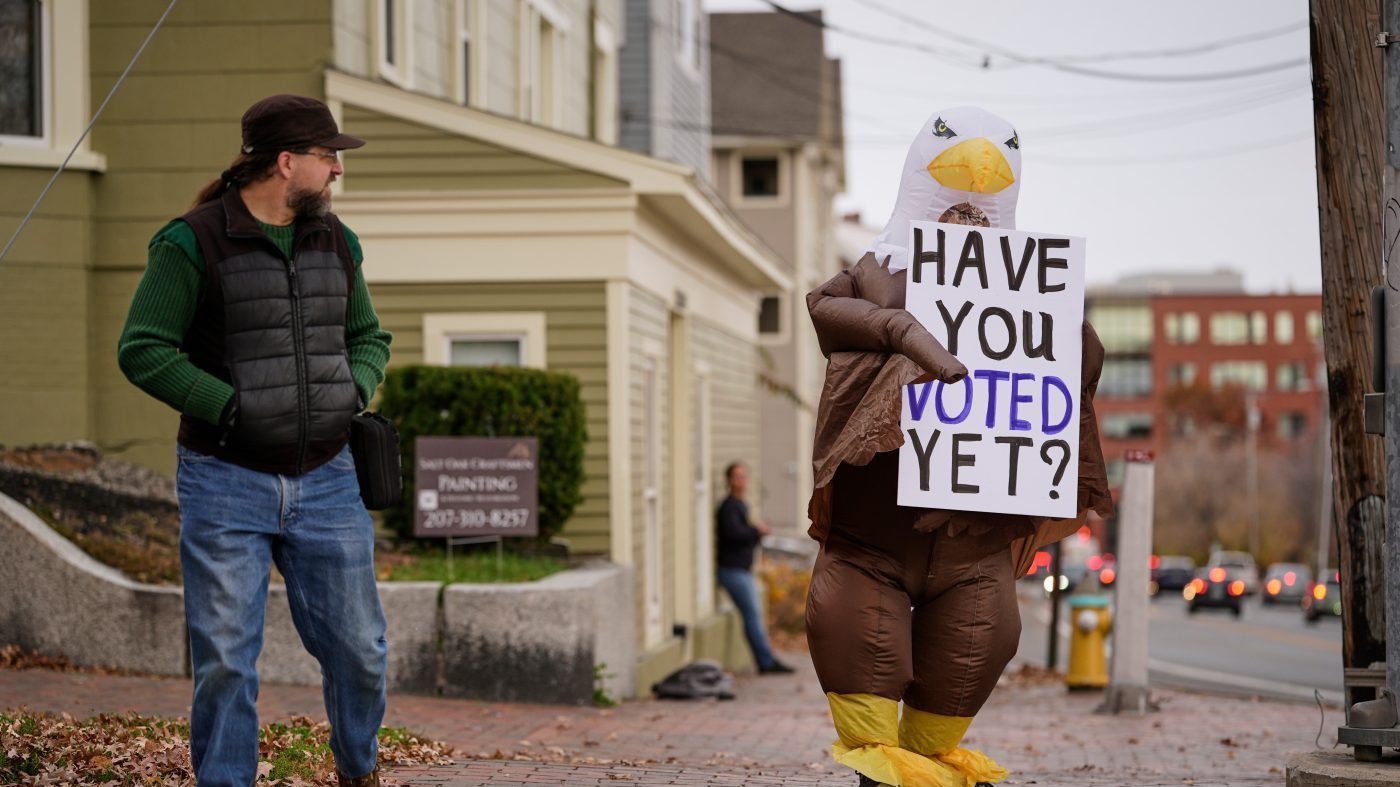
Roy Cooper, the former North Carolina governor, is projected to win his race, edging Democrats closer to their goal. To take the majority, they need to flip four of the seven remaining toss-up seats in Maine, Ohio, Michigan, Iowa, Kansas, Texas, and Alaska. Polls show Democrats leading in all but Iowa, even when adjusted for a historic polling miss similar to 2006. If they prevail, the party could celebrate a Texas Democrat winning a Senate seat for the first time since 1988—a feat that would reshape the 2028 primary landscape.
History suggests a strong midterm would embolden Democrats to take risks in the next presidential cycle. The 2006 wave, which flipped red-state Senate seats, helped pave the way for Barack Obama's insurgent candidacy. A similar outcome today could make primary voters more open to an untested but inspirational figure, as Democrats eye midterm gains that could redefine the party's future.
But what if the wave crashes? Republicans would need a polling miss larger than any in recent memory, but with sparse state-level data in places like Alaska and Kansas, and Elon Musk's half-billion-dollar spending spree, a narrow GOP hold is conceivable. If so, the blame game would begin immediately. Michigan could become the flashpoint, with Rep. Haley Stevens—a moderate and pro-Israel voice—villainized by the left, while centrists point fingers at progressive candidates like Abdul El-Sayed and Troy Jackson for alienating general election voters.
The fallout would intensify the party's internal war. The left would argue, 'We tried it your way; now we go full Robespierre,' while early-state primary voters might gravitate toward safer, establishment choices like Gavin Newsom. The party's activist core sits well to the left of its median voter, and a disappointing night could empower a progressive populist in the mold of Alexandria Ocasio-Cortez, who could slice through a crowded field much like Trump did in 2016.
Yet Democrats have historically been more strategic voters than Republicans. Their battleground offerings often reflect an attempt to appeal to persuadable voters, not ideological purity. That pragmatism could fade if Trump exits the stage as a lame duck. With Vice President Vance viewed as a weak 2028 contender, Democratic primary voters might feel freer to prioritize ideology over electability, as Democrats wrestle with post-election strategy in a landscape without Trump as the central threat.
For now, the party braces for results that could either validate its cautious optimism or spark a bitter internal reckoning. The outcome will not only determine Senate control but also set the tone for the 2028 presidential contest, where the lessons of 2026—whether about moderation or boldness—will be hotly contested.