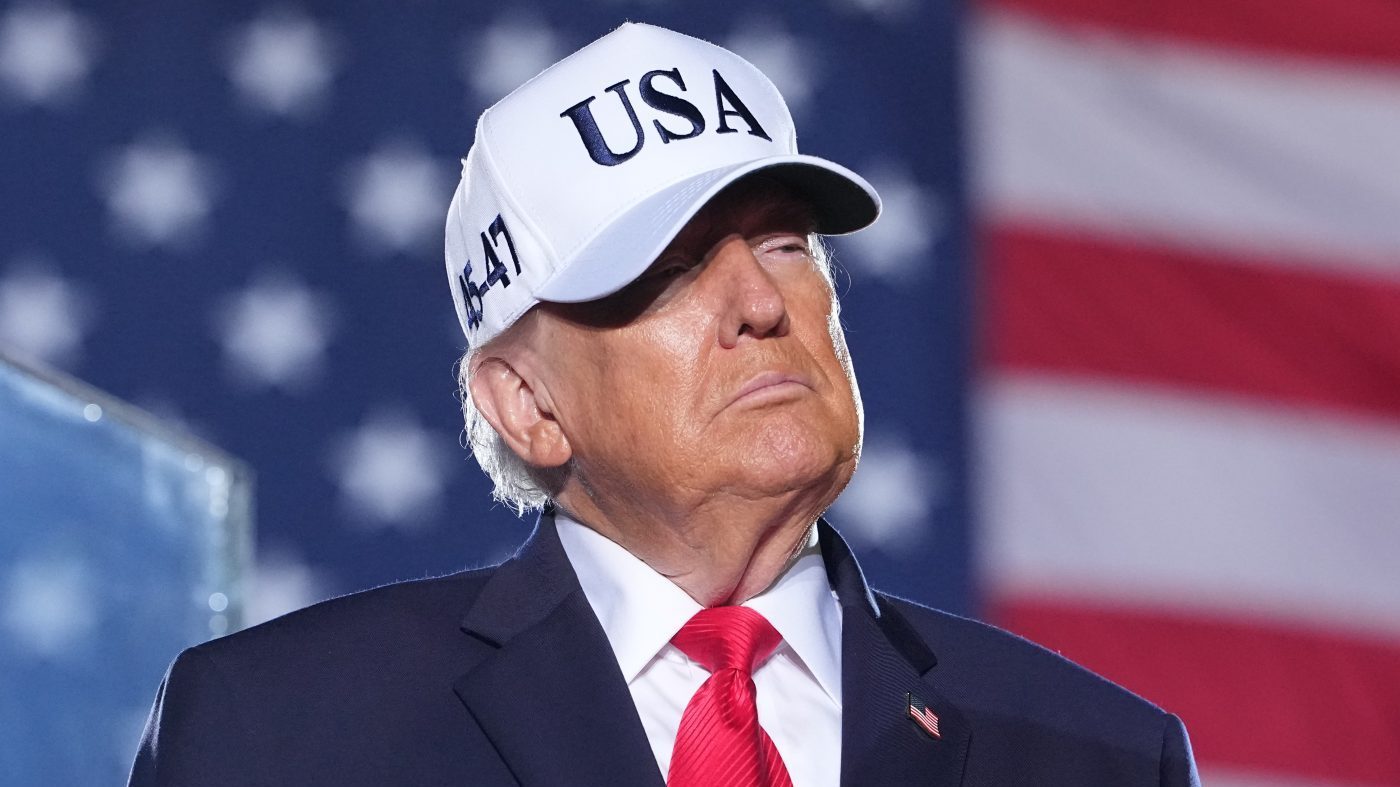
Democratic leaders are preparing for sweeping victories on Election Day, but a fierce internal debate is already simmering over how far to go in confronting President Trump. Lawmakers and strategists are split on the wisdom of launching another impeachment effort, with many wary of repeating past failures that did little to dent Trump's political standing.
Senior Senate aides say there is little appetite for a third impeachment trial, especially given that conviction would require 67 votes—a threshold Democrats cannot reach. Previous efforts in 2020 and 2021 failed to move the needle, and many in the party now see impeachment as a political dead end.

Instead, the focus is shifting to a broad oversight agenda. Democrats agree that investigations into Trump and his allies are necessary, but they are struggling to prioritize which scandals to pursue. Some want to dig into the Epstein case, others into Pentagon contracts linked to Donald Trump Jr., and still others into the president's crypto dealings and pardon record.
Sen. Sheldon Whitehouse (D-R.I.), who would chair the Senate Judiciary Committee if Democrats take the majority, stressed the need for strategic investigations. "More than 90 percent of voters think that government has been corrupted. We just have to be thoughtful and strategic about where investigative work goes and not allow that to distract us from solving fairly immediate cost problems that American families feel," he said.
To avoid being consumed by partisan battles, Democratic leaders are crafting positive agendas for the first 100 hours, 100 days, and first year of their new majorities. But the urge for retribution remains strong among rank-and-file members.
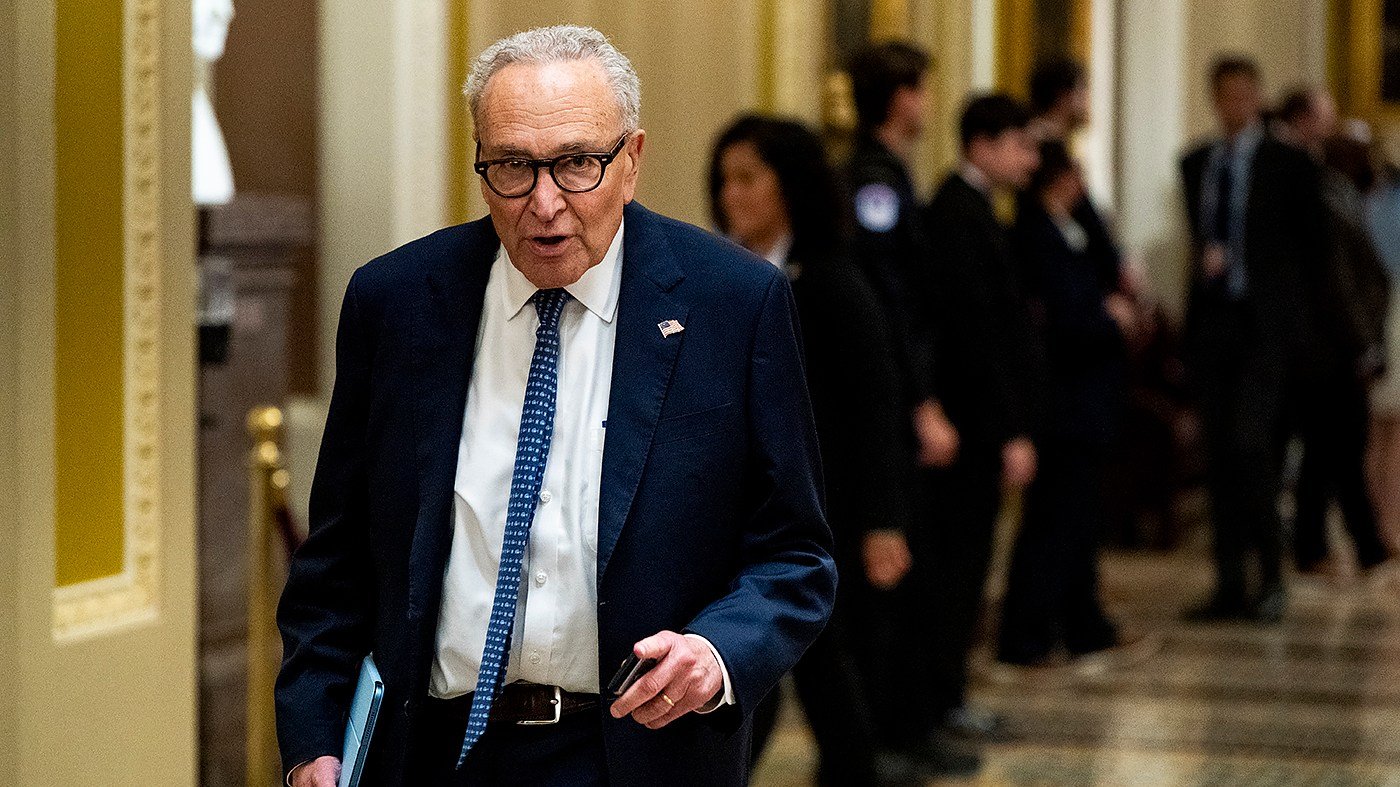
Senate Minority Leader Chuck Schumer (D-N.Y.) has already established a working group to pressure the Justice Department and FBI to preserve records related to the Epstein case. "We are demanding that the Department of Justice and the FBI preserve records on what transpired behind the scenes. We want to know who was involved in the decision to hide the truth," he declared.
Other Democrats are focusing on conflicts of interest in defense contracting. Sens. Elizabeth Warren (D-Mass.), Andy Kim (D-N.J.), and Richard Blumenthal (D-Conn.) have demanded answers from the Pentagon about loans and contracts awarded to companies linked to Trump's son. "We're going to have to do voluminous oversight work because there is rampant corruption in this administration, and we need to get to the bottom of it," said Sen. Chris Murphy (D-Conn.).
The crypto industry is another target. Some Democrats want to investigate Trump's investments in digital assets and his pardon of Binance founder Changpeng Zhao, who pleaded guilty to money laundering violations. They worry that foreign interests could use crypto to influence the president.
House Democrats, led by Hakeem Jeffries (D-N.Y.), are reportedly steering clear of impeachment talk. A strategist with ties to House leadership said, "I'll tell you right now that I have not heard about impeachment, not for Trump." Instead, they plan to use oversight hearings to constrain the administration, tying up Cabinet officials and demanding accountability.
Rep. Robert Garcia (D-Calif.), who is in line to chair the House Oversight Committee, has signaled interest in probing immigration enforcement and detention conditions. Democrats are also eyeing broader issues like corporate ties to the administration and the influence of wealthy donors seeking pardons.
The party's midterm strategy is built on two pillars: affordability and corruption. As they prepare to take control, Democrats are balancing the need to deliver on kitchen-table issues with the pressure to hold Trump accountable. The outcome of this internal debate will shape their approach for months to come.