The 2026 midterm elections are set to conclude with high stakes as forecasters and political analysts assess a landscape that could reshape Washington. Decision Desk HQ (DDHQ) projects Democrats hold an 82 percent chance of taking the House and a 62 percent probability of winning the Senate, placing Republicans firmly on the defensive.
A struggling economy, President Trump's declining approval numbers, and public opposition to the Iran conflict have weighed on GOP candidates. Still, the party is banking on the coalition that delivered victories in 2024, even as it disputes polling that suggests a difficult night ahead.
“The Republicans seem to be getting out their base. The Democrats are supercharged, they’re getting out their group,” said Spencer Kimball, executive director of Emerson College Polling. “Now we’re going to see what those independents do, if they make the difference in these races.”
Will Trump’s Base Turn Out?
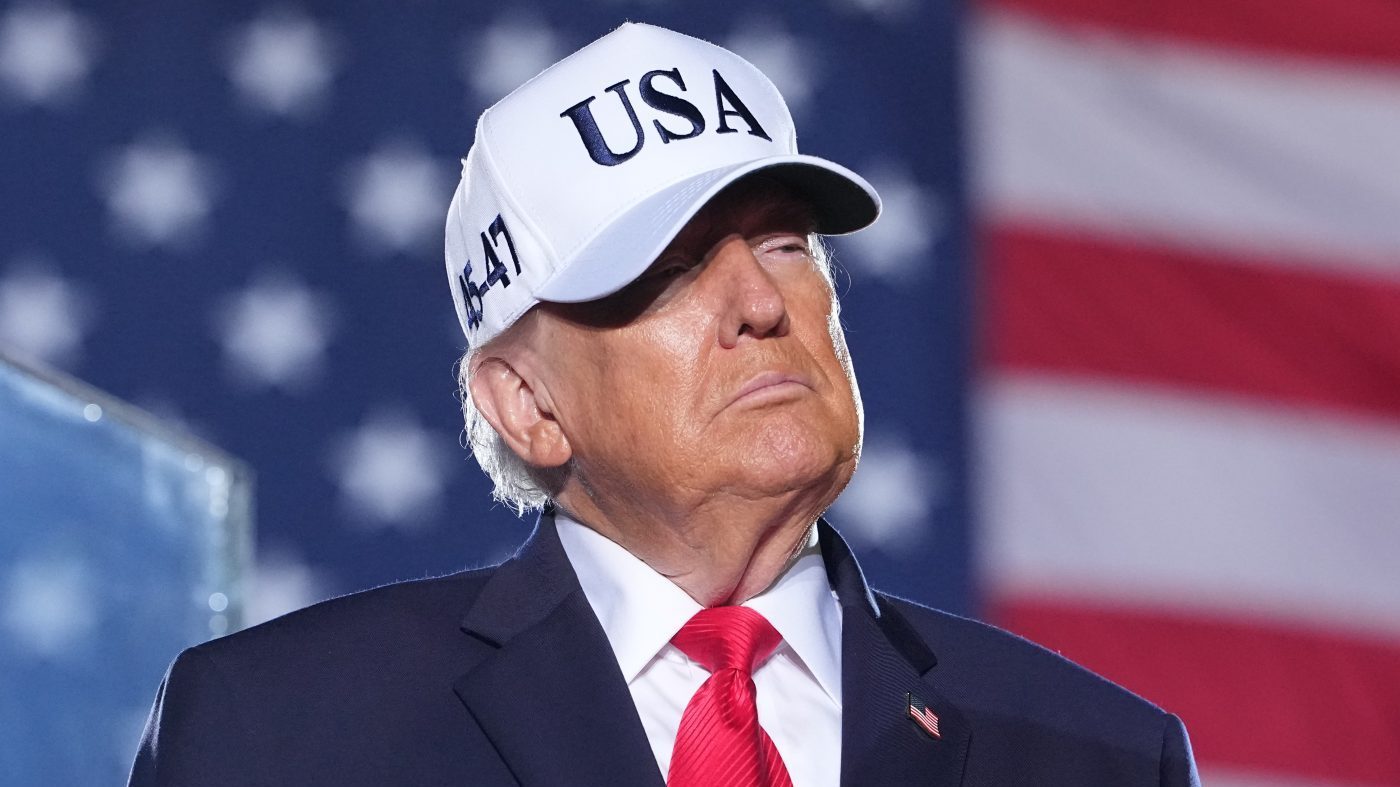
President Trump has repeatedly urged his supporters to act as though he is on the ballot, a strategy aimed at maximizing turnout. Analysts believe this appeal could resonate, but it may not be enough to offset losses among independent voters.
“I think the Trump base will come out,” Kimball noted, “but you need the swing vote. You need those independents.” Trump has held rallies across the country, though many in solidly red states like Alabama, Alaska, Mississippi, and Kansas, signaling concerns about his ability to mobilize in competitive areas.
High fuel and fertilizer prices, combined with the president's unpopularity, could suppress support from unaffiliated voters who backed him in 2024. “I don’t think you’re going to see the bottom totally fall out on Tuesday for the Republicans because Trump still does have that strong base,” Kimball added.
How Reliable Are the Polls?
The polling industry faces intense scrutiny this cycle, with any significant misses likely to reignite criticism. Recent Emerson College surveys show Democrats holding a 10-point lead on the generic congressional ballot, but analysts caution against overconfidence.
“The polls are still telling us something — that things are a lot closer, that the environment is Democratic-leaning,” said Geoffrey Skelley, chief election analyst at Decision Desk HQ. “Then, it’s just a question of is it Democratic leaning enough?” He added, “And that’s what we won’t know until we get actual votes.”
The discovery that two polling firms fabricated data has heightened skepticism, with Republicans arguing that surveys are flawed. Tight primary results in Wisconsin and Michigan, where front-runners were expected to win easily, have also raised doubts about polling accuracy.
Skelley pointed to states where polling has struggled during the Trump era, including Ohio, Iowa, and Kansas, as potential sources of error. “I think you have to be concerned about larger errors in some of the same places that we’ve seen polling struggle,” he said.
Latino Voters: A Shift Back to Democrats?
Latino voters were pivotal to Trump's 2024 victory, but recent data suggests they may be returning to the Democratic fold. While President Biden won the bloc by 25 points in 2020, Trump closed that gap to just 3 points in 2024, according to a Pew Research Center analysis.
However, Trump's approval among Latinos has plummeted, with NBC News/Telemundo and Pew surveys showing ratings around 24-27 percent. Kimball predicts the group will break for Democrats nearly 2-to-1, resembling patterns from 2008 and 2012. Skelley notes that turnout in a non-presidential year will be crucial to realizing that shift.
Does GOP Spending Advantage Matter?
Republicans have dominated campaign spending in what is already the most expensive midterm cycle on record. Trump's super PAC, MAGA Inc., and Elon Musk's America PAC have poured hundreds of millions into GOP races, while Democrats have relied on strong grassroots fundraising.
“While the money’s important and it might make a difference in some of these very close races, at this point it seems like the momentum is with the Democrats,” Kimball said. In key Senate battlegrounds, Democratic candidates have consistently outraised their Republican opponents, potentially offsetting the GOP's airwave advantage.
Can Former Swing States Return to the Center?
Trump's low approval and economic discontent have put traditionally Republican-leaning states like Iowa and Ohio back in play for Democrats. These states, which voted for Obama twice and Trump three times, may be drifting toward the center as voters express frustration.
This dynamic could have broader implications for the post-election leadership battles within the GOP. Should Democrats perform well in these areas, it may trigger internal party conflicts over Trump's influence, as some Republicans predict.
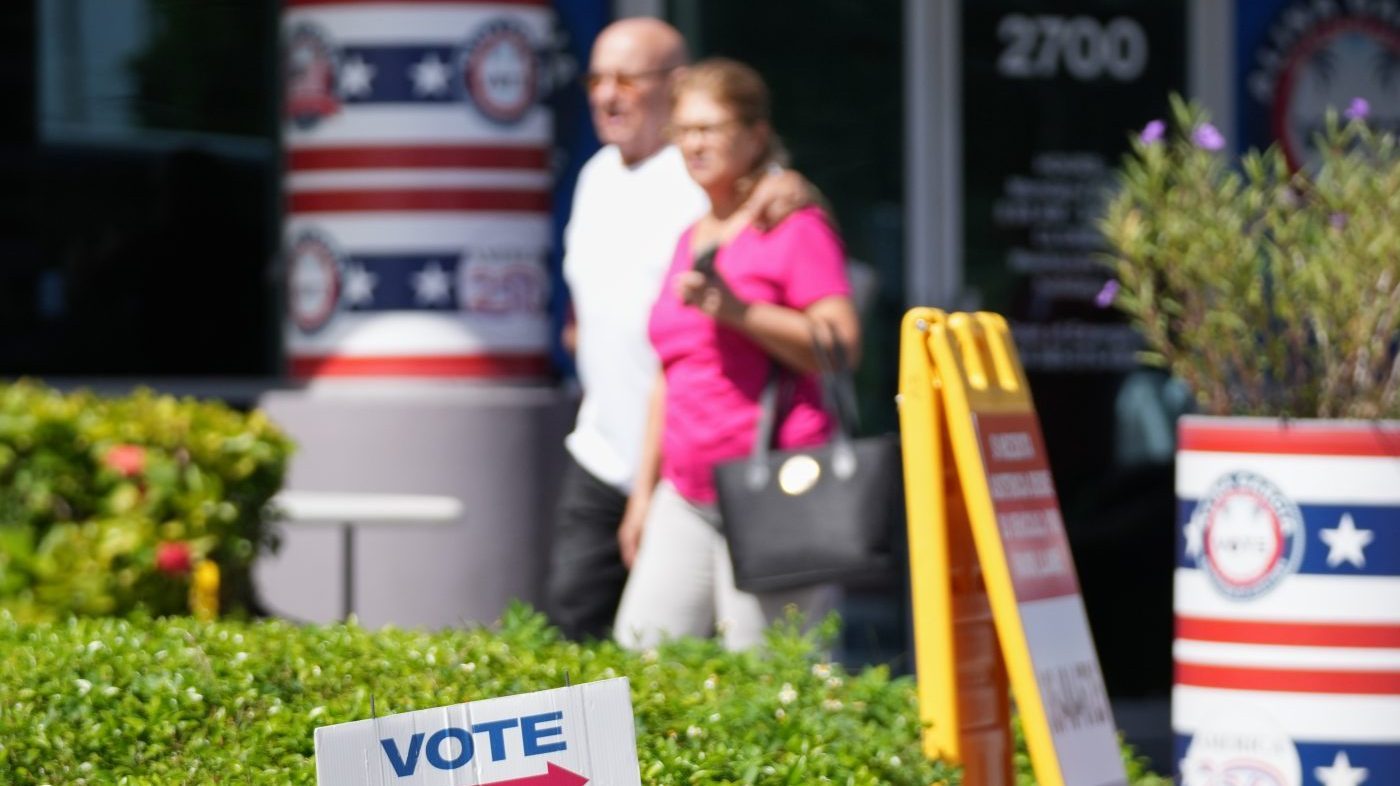
As voters head to the polls, the interplay of turnout, polling accuracy, demographic shifts, and spending will determine whether Democrats can capitalize on their advantages or if the GOP's base holds firm. The results will not only shape Congress but also set the stage for the 2028 presidential race.