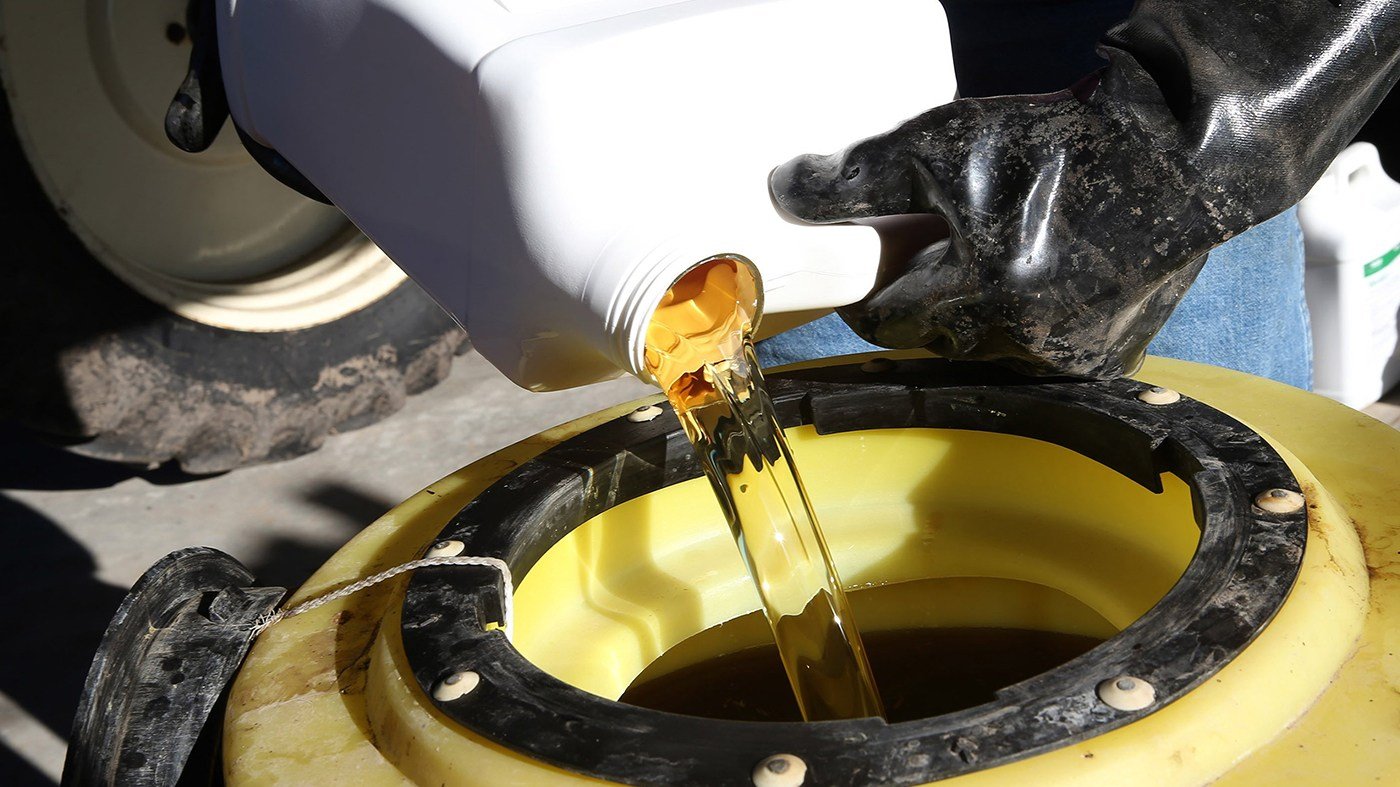
Iowa's alarming cancer rates, now the second-highest in the nation, are injecting new uncertainty into the state's 2026 midterm elections. The crisis, tied by many to agricultural pollution, has forced a political realignment that cuts across traditional party lines in a state that has trended strongly Republican in recent cycles.
Both Democrats and Republicans are now campaigning on environmental causes of cancer, with "Big Ag" emerging as a common target—a stance that would have been unthinkable for GOP candidates in the Corn Belt just a few years ago. The shift reflects the growing influence of the Make America Healthy Again (MAHA) movement, which has found fertile ground in Iowa's farm communities.
High-Stakes Races Put Health Front and Center
This year's ballot features a competitive governor's race between Republican Zach Lahn and Democrat Rob Sand, a Senate contest pitting Rep. Ashley Hinson against state Rep. Josh Turek, and several tight House races. Lahn, who defeated Trump-endorsed Rep. Randy Feenstra in the primary with early backing from MAHA Action, has made cancer prevention and water quality central to his campaign.
In a recent Face the Nation interview, Lahn cited Iowa's highest-in-the-nation rate of new cancer cases, claiming that moving to a state like Nevada could cut one's cancer risk by 40 percent. "We have the fastest rate of new cancer anywhere in the country, number one," he said, vowing to regulate chemicals and clean up the state's water if elected.
MAHA's Cross-Partisan Appeal
The MAHA agenda, championed by Health Secretary Robert F. Kennedy Jr., has blurred partisan lines. While its push for clean food and water often clashes with the GOP's pro-business stance, it has resonated with voters who are personally affected by cancer. Iowa State political scientist Karen Kedrowski noted that cancer is a universal concern: "When you start talking about cancer, everybody knows somebody... The cancer piece really becomes salient because it's so common and kind of top of mind."
University of Iowa professor Timothy Hagle observed that while pro-agriculture voters are unlikely to switch parties, Kennedy's message could sway independents. "The idea may be that RFK Jr. can maybe appeal to more of those no-party voters," Hagle said.
Democrats See an Opening
Democrats are also seizing on the issue. Chris Jones, the Democratic candidate for Agriculture secretary, is running on a clean-water platform, saying the cancer crisis "is resonating with people, and almost everyone has a story here of a family member or someone else that has met an early demise." Jones, who has been endorsed by Sen. Bernie Sanders, even welcomed Lahn's focus on water quality, noting it "makes me look less like a renegade."
Jones's campaign has ties to the MAHA movement through finance director Dave Murphy, who previously worked on Kennedy's presidential bid. Murphy argued that "Democrats have won" on water quality issues, but acknowledged Lahn might "keep some of the votes that would run from Feenstra... to Rob Sand."
Kennedy's Iowa Presence
Kennedy has made multiple trips to Iowa to boost GOP candidates, including a recent MAHA rally featuring Lahn and Joe Mitchell, who is running for Hinson's open House seat. At the rally, Kennedy praised Lahn's commitment to sustainable agriculture: "I love Zach, because we need to figure out a way to feed ourselves in this country, make this country the breadbasket of the world without degrading our soils and without poisoning our children."
Lahn has also adopted other MAHA stances, including opposing vaccine mandates and the COVID-19 vaccine, aligning with the movement's broader health agenda.
Implications for the Midterms
The MAHA movement is not a monolith; its factions prioritize different issues, from food supply changes to chemical regulation to vaccine policy. This fragmentation creates opportunities for both parties. As Jeff Hutt, a former Kennedy campaign staffer, put it, "The Republican Party has taken the rural vote for granted," suggesting that voters may be open to new messages.
With Iowa's cancer crisis dominating headlines, the Trump administration has a vested interest in Kennedy's ability to connect with voters. The outcome of these races could signal whether MAHA's blend of health and environmental populism can reshape the GOP's coalition in the heartland.