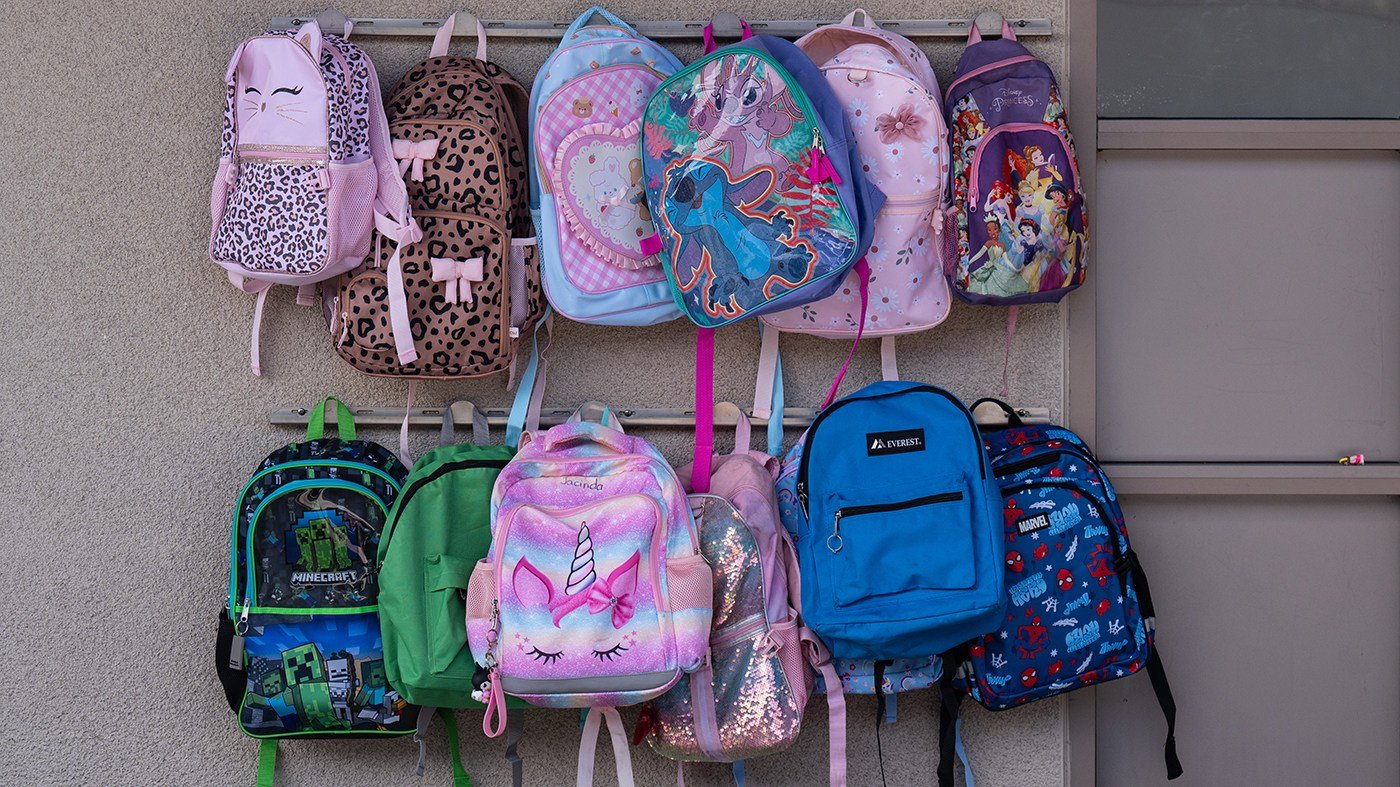
Public school closures are accelerating nationwide, and Tuesday's midterm elections could either hasten or hinder that trend. Voters in more than a dozen states will weigh in on school funding ballot measures, while school board races in key districts may determine the fate of specific shutdown plans.
School boards ultimately decide closures, but their hands are tied by district budgets, which in turn reflect state funding formulas set by governors and legislatures. This makes the midterms a pivotal moment for communities grappling with the prospect of shuttered schools.
Enrollment Decline Drives the Issue
The root cause is a steep drop in student numbers. Public schools lost 1.83 million students between the 2019-2020 and 2023-2024 school years, a decline accelerated by the pandemic. The National Center for Education Statistics projects a further 7.5 percent drop by 2031, driven largely by falling birth rates, though school choice programs also play a role.
Because funding is tied to enrollment, districts feel the pinch quickly. Minneapolis Public Schools, serving over 29,000 students, has delayed closure talks until next year, citing funding cuts, program losses, and immigration enforcement fears that have hurt attendance. The issue now looms over the nine candidates vying for school board seats.
Ben Lattimore, a Minneapolis school board candidate, told the Sahan Journal that the district has enough students to operate efficiently, unlike rural areas facing demographic shifts. "MPS has opportunity," he said.
State Politics and the Midterm Effect
State guidance and politics heavily influence closure decisions. "What will have a major impact on [school closures] are the changing politics and policies that could be result of the midterm elections," said Nithya Joseph, managing partner of policy and advocacy at TNTP. With 36 governorships on the ballot, the makeup of state education leadership could shift significantly.
Governors' races in Ohio and Texas highlight the divide. In Ohio, Democrat Amy Acton's campaign pledges "public money should be for public schools" and promises to reform the "corrupt school voucher system." Her Republican opponent, Vivek Ramaswamy, supports school choice and argues funding should follow outcomes, not just inputs.
In Texas, Democrat Gina Hinojosa runs on a "save Texas public schools" platform, vowing to "end the voucher scam" and keep taxpayer dollars in neighborhood schools. Incumbent Republican Gov. Greg Abbott backs school choice initiatives.
These state-level battles could shape how districts approach closures. Some states offer temporary "hold harmless" funding to cushion enrollment drops, but such policies are costly and unpopular with lawmakers, noted Marguerite Roza, director of the Edunomics Lab at Georgetown University.
As voters head to the polls, the decisions could either accelerate the pace of closures or give districts breathing room to consider alternatives. The outcome will resonate in classrooms across the country, and the political landscape may shift accordingly.
With control of Congress also at stake, the broader political fallout could influence education policy for years. And as energy prices fuel voter anxiety, economic concerns may overshadow school closure debates in some districts.