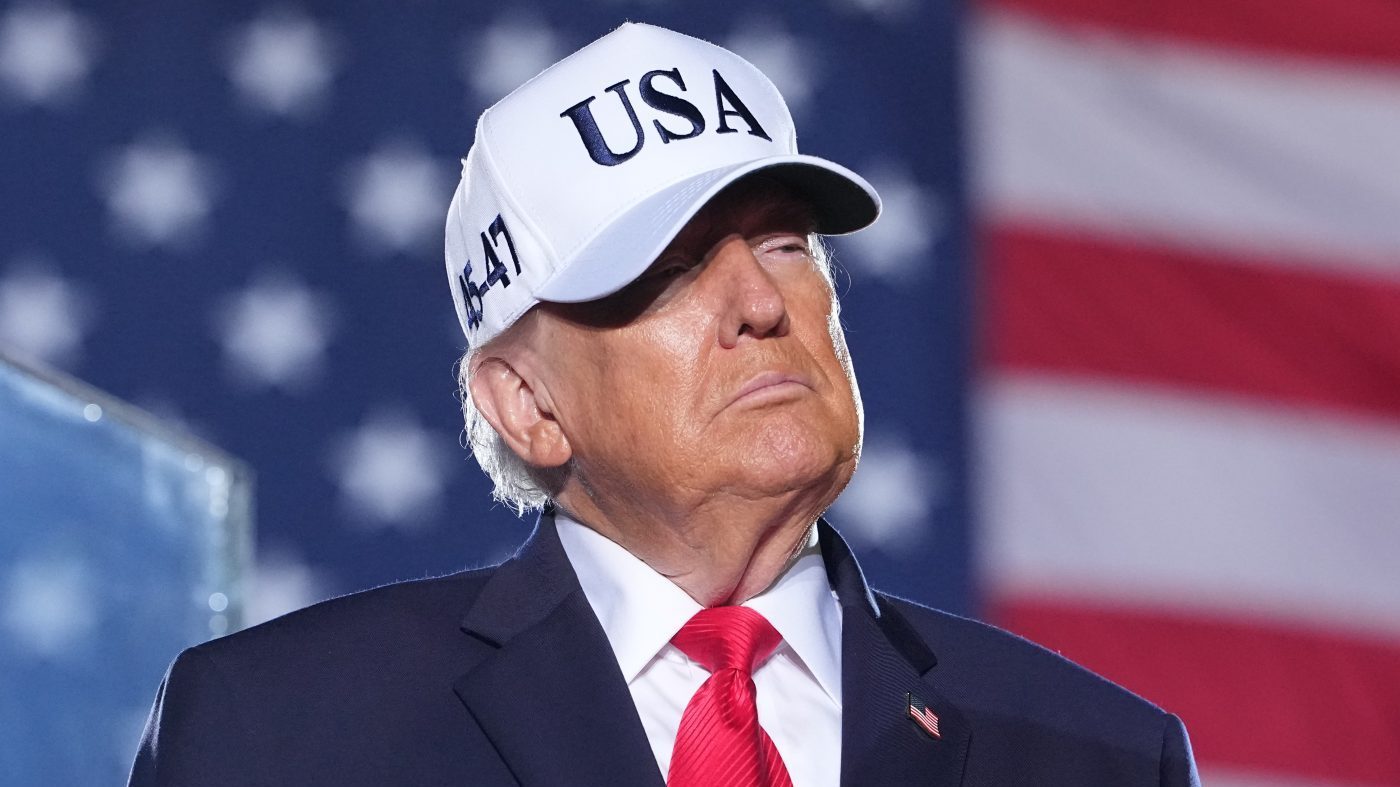
President Trump is set to deliver his closing argument to voters on Monday at the Lincoln Memorial Reflecting Pool, a symbolic backdrop for his administration's efforts to reshape the nation's capital. The address, confirmed by the White House on Sunday, will focus on the legislative agenda he and Republican lawmakers have pursued since the start of his second term, according to a source familiar with the plans.
The president is also expected to highlight his administration's controversial restoration projects, including the $40 million renovation of the Reflecting Pool, which has faced delays, cost overruns, and legal disputes. Trump first floated the idea of holding the event while speaking to reporters in Iowa, saying, "We might hold it tomorrow or something," and adding that an appearance would "show how beautiful it is."
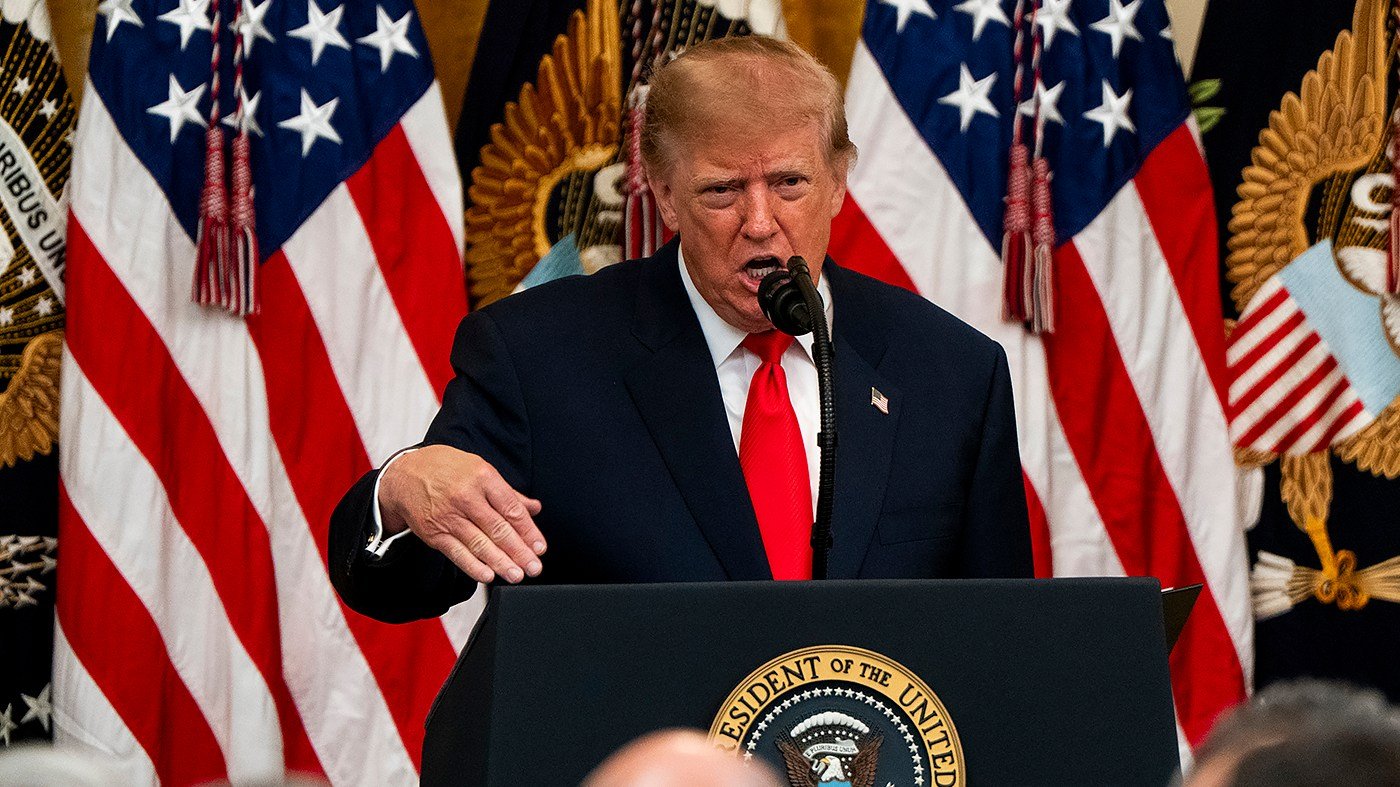
The choice of venue marks an unconventional end to Trump's midterm campaign blitz. Rather than spending the final day before Election Day in a battleground state, the president will remain in Washington, a move that some strategists see as a reflection of his confidence in the GOP's prospects or, alternatively, a missed opportunity to boost turnout in tight races.
Over the past month, Trump has held more than 25 rallies in an effort to help Republicans maintain control of the House and Senate. His approval ratings remain historically low, and voters are frustrated over the ongoing war in Iran, rising energy prices, and a sluggish economy. These issues have dominated the closing days of the campaign, as candidates across the country make their final pitches.
The Reflecting Pool speech also puts renewed attention on a renovation project that has been plagued by problems. The pool's restoration, part of Trump's broader push to overhaul the federal district, has faced criticism for its high cost and alleged vandalism of historic structures. The administration has also demolished the White House's East Wing to build a new ballroom and transformed the Rose Garden into a patio, among other projects.
Trump's decision to stay in Washington for the final day could have implications for the GOP's internal dynamics. If the party underperforms in the midterms, some Republicans are already predicting a fierce internal fight over Trump's agenda in the lame-duck session. The president's focus on D.C. aesthetics, rather than swing-state rallies, may also signal his priorities as he eyes the next phase of his political career.
Meanwhile, Democrats are watching the event closely, with some strategists suggesting that Trump's choice of venue could be a misstep. "This is a president who is more interested in his legacy of construction than in the bread-and-butter concerns of voters," said a Democratic operative. The party is also dealing with its own divisions, as post-election strategy debates heat up.
The White House has not released a detailed schedule for Monday, but the event is expected to draw significant media attention. Trump's remarks will likely serve as a capstone to a campaign that has been defined by his unorthodox style and his willingness to use the trappings of the presidency to make political points.
As the midterms approach, the Reflecting Pool address underscores the president's desire to leave a lasting mark on Washington, even as his party faces an uncertain electoral landscape. Whether the message resonates with voters remains to be seen, but the symbolism of the setting is unmistakable: Trump is betting that his vision for the capital will translate into political capital.