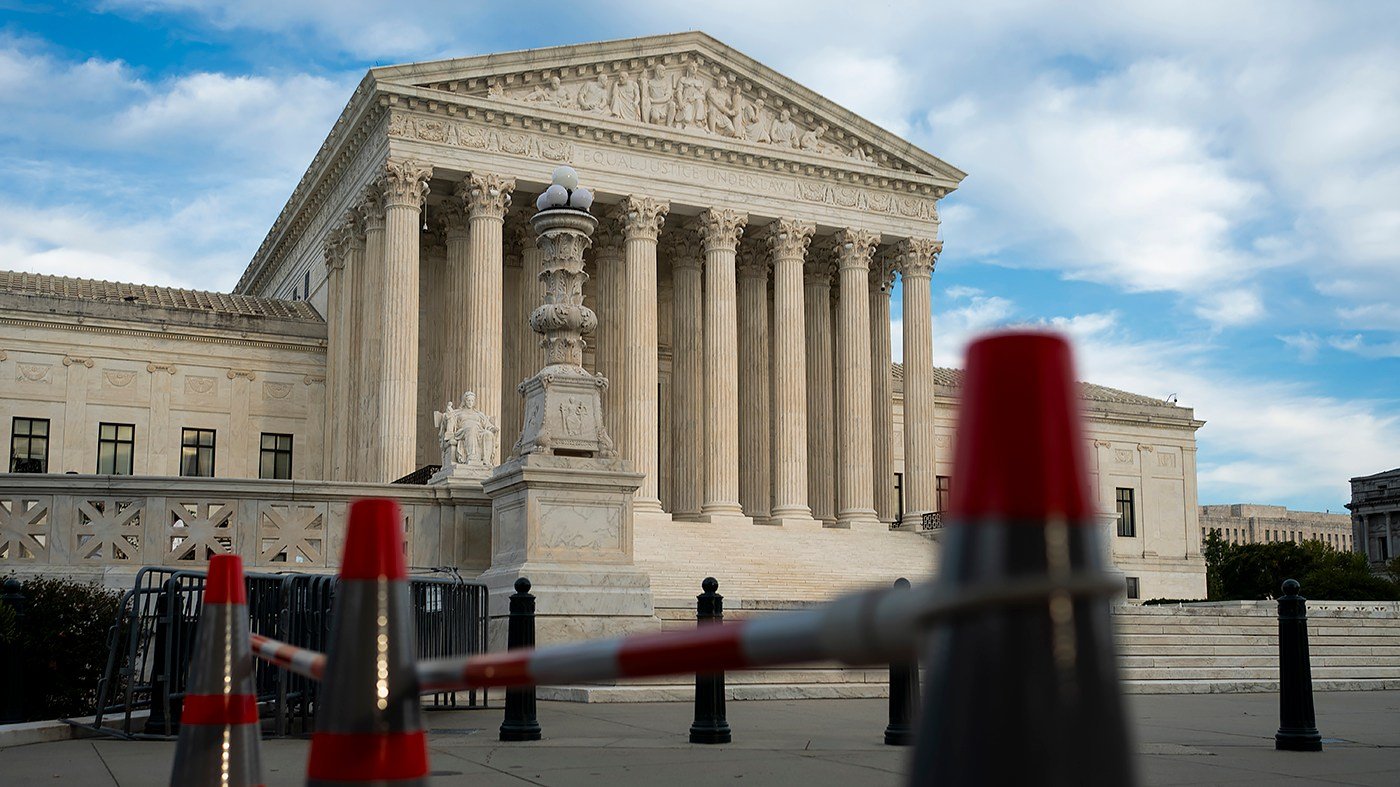
The Supreme Court on Tuesday hears oral arguments in a dispute over whether Colorado can force preschools that accept public money to enroll children of same-sex couples, the latest clash between religious freedom and LGBTQ rights to reach the high court.
The case, brought by the Archdiocese of Denver, several Catholic parishes, and parents Daniel and Lisa Sheley, challenges Colorado's anti-discrimination mandate under the First Amendment. The challengers argue that the state's universal pre-K program, which provides 15 hours of free preschool per week, effectively pressures religious schools to abandon their beliefs or lose funding.
"The inevitable result of Colorado's thumb on the scale is that more Colorado children will be funneled toward preschools that share Colorado's perspective on matters of sex and marriage," the plaintiffs wrote in court filings.
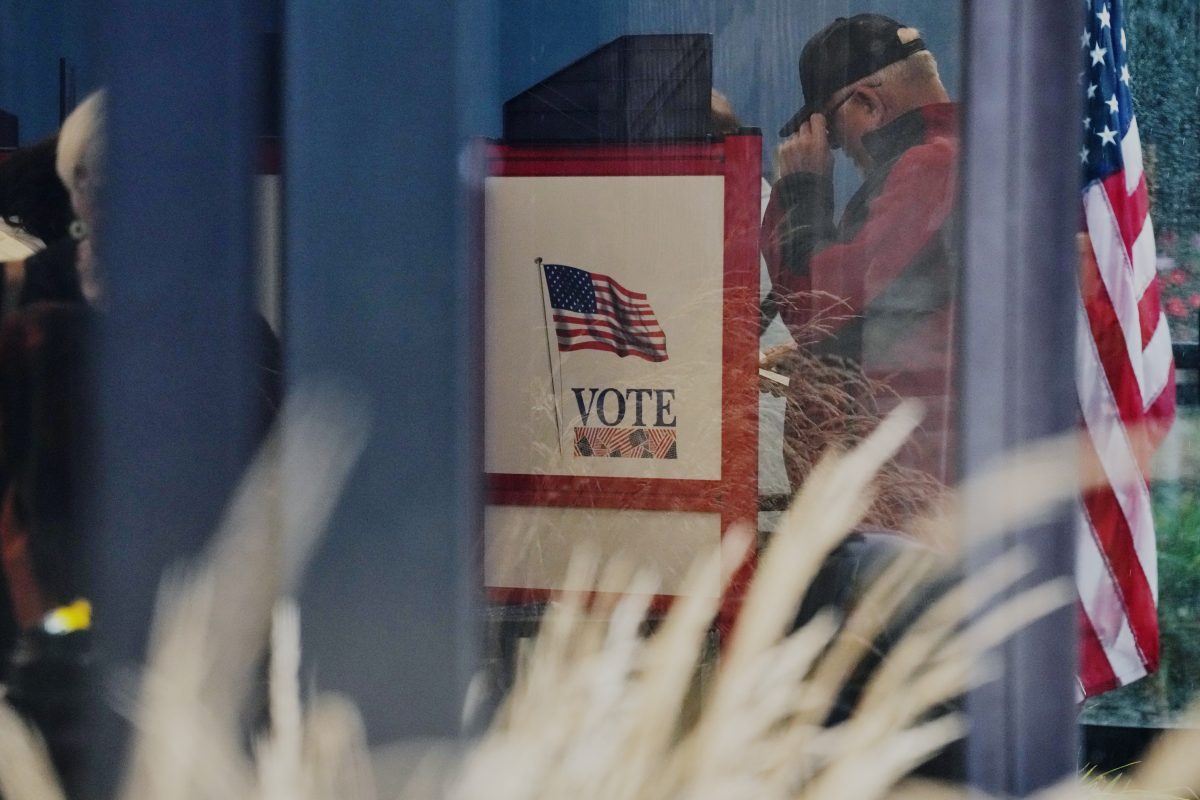
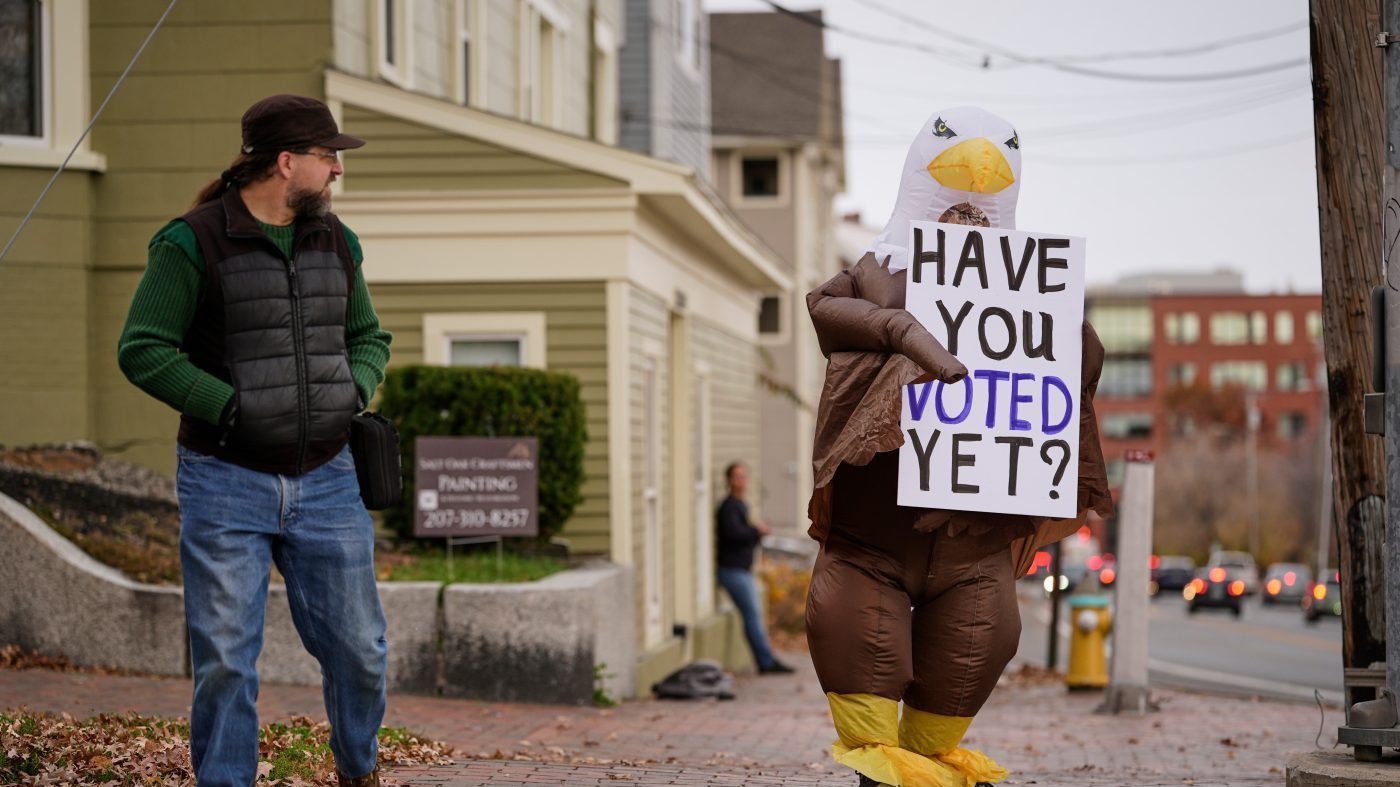
The arguments come as Americans head to the polls on Election Day, with voters in several states weighing LGBTQ-related ballot measures. A ruling in the Colorado case is expected by summer.
Colorado launched its universal pre-K program in 2023, allowing parents to choose among more than 2,000 participating preschools. Participating schools must agree to provide "equal opportunity" enrollment regardless of sexual orientation or gender identity. St. Mary Catholic Parish, the lead plaintiff, requires parents to sign a "Community Beliefs and Commitments" statement affirming support for Catholic teachings, including opposition to abortion and same-sex marriage, and to refrain from publicly promoting conduct that contradicts those teachings.
Colorado defends its mandate as constitutional, arguing that public funds should not be used to discriminate. "Whatever a family's publicly funded preschool options—however many or few—Colorado seeks to ensure those options are not limited by that family's protected-class status," the state said in court filings.
The case offers the conservative-majority court an opportunity to revisit a 1990 precedent, Employment Division v. Smith, which several justices have criticized for limiting religious exemptions from neutral laws. The archdiocese, represented by the Becket Fund for Religious Liberty, notes that enrollment across its preschools has dropped nearly 20 percent since the program began, and points out that the state allows preschools serving low-income families or students with disabilities to operate selectively.
"Petitioners have no objection to Colorado's decision to allow over 1,000 UPK preschools to selectively serve the communities they are designed to serve—Petitioners simply want the same accommodation extended to them," the group wrote.
The challengers are backed by roughly 20 Republican-led states, nearly four dozen GOP members of Congress, the Union of Orthodox Jewish Congregations, and the Trump administration, which will argue alongside the schools. Colorado's defense is supported by the NAACP Legal Defense and Educational Fund, nearly 180 Democratic lawmakers, and LGBTQ advocacy groups.
"Petitioners' theory, at its core, threatens to replace the considered judgment of legislatures with ad hoc exemptions. That would permit litigants to become laws unto themselves," the lawmakers told the justices.
This case follows a series of Supreme Court rulings favoring religious and free-speech challenges to Colorado's LGBTQ protections, including a counselor who opposed conversion therapy bans and a website designer and cake baker who refused same-sex wedding services. However, the preschool dispute is legally distinct, focusing on the application of public funding conditions. For more on the broader context, see our previous coverage of this case and state supreme court races to watch as voters decide judicial balance.