Florida voters are casting ballots Tuesday in a special Senate election to fill the remaining two years of Marco Rubio's term, a race that has tightened considerably despite the state's recent Republican tilt. The winner will serve until January 2029 and will face voters again for a full six-year term in 2028.
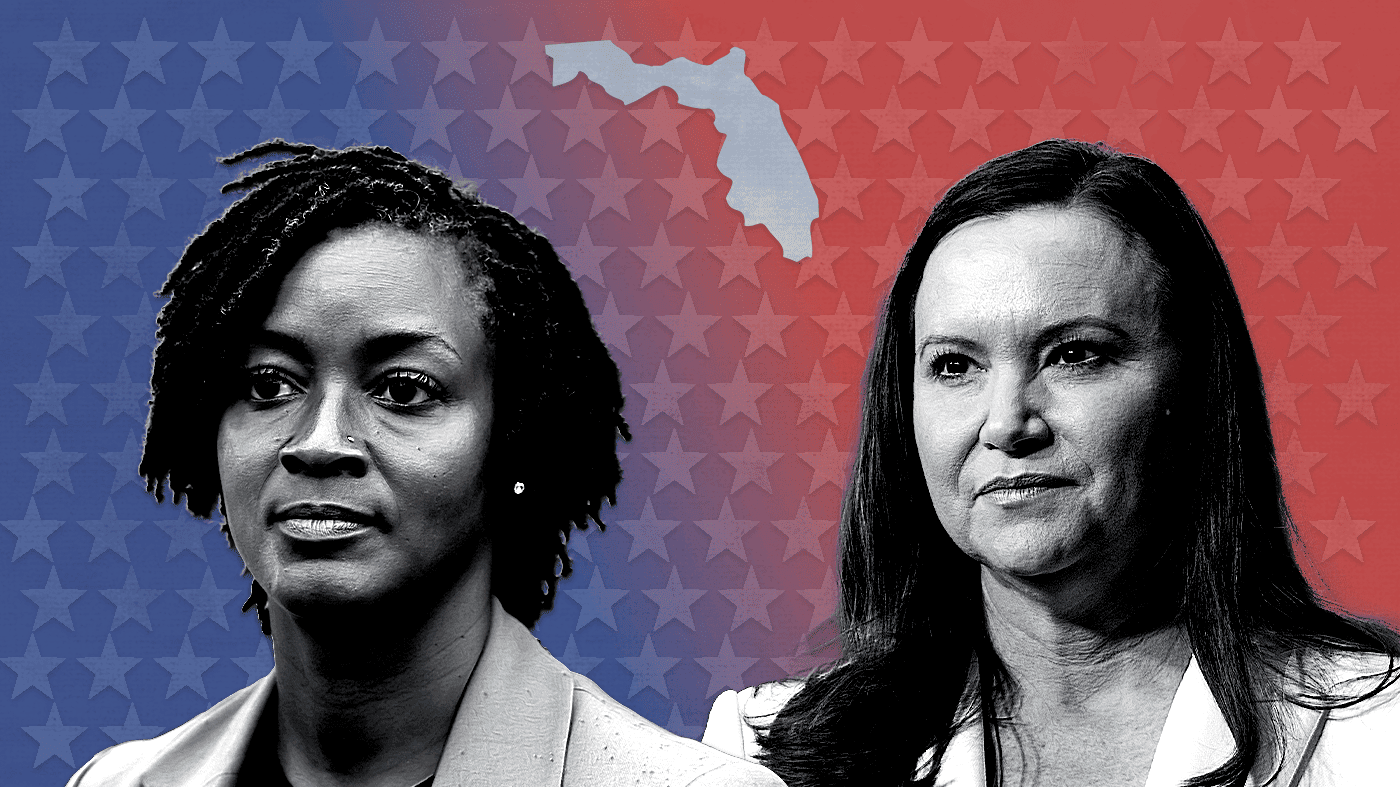
Republican nominee Ashley Moody, who was appointed to the seat by Governor Ron DeSantis in 2025 after Rubio resigned to become Secretary of State, enters Election Day as the favorite but not by the margin many expected. Moody, a former state attorney general, cruised through the August GOP primary, but the general election has proven more competitive than recent statewide contests.

On the Democratic side, state Representative Angie Nixon pulled off a significant upset in the primary, defeating Alex Vindman—the whistleblower in the first impeachment of President Trump—by roughly 13 points. Vindman, who had broader name recognition and establishment backing, was seen as the more moderate option. Nixon's victory signaled a shift toward the party's progressive wing, even as Democrats have not won a Senate race in Florida since 2012.
The closeness of the race mirrors a national environment that has become less favorable for Republicans, with polls showing a tightening generic ballot and economic concerns weighing on voters. Record-high gas prices on Election Day are adding to the uncertainty, as inflation and cost-of-living issues dominate voter concerns.
Florida, once the ultimate battleground, has trended solidly Republican over the past decade. But this year's Senate contest has defied expectations, with both campaigns pouring resources into get-out-the-vote efforts. The state's newly redrawn congressional map is also in play, as Republicans seek to expand their House majority, but the Senate race remains the headline.
Polling locations closed at 7 p.m. EST, and initial results are expected shortly after. Election officials have reported smooth voting across most counties, though some isolated issues have been noted. Undervoting is permitted, meaning some voters may skip races, which could affect down-ballot outcomes.
The outcome will have national implications, as control of the Senate is at stake. Republicans currently hold a narrow majority, and a Democratic pickup in Florida would be a major upset. The Democratic generic ballot edge has narrowed, but party operatives see Florida as a long-shot opportunity.
Legal challenges are possible if the margin is tight, and questions about executive authority in election disputes have already been raised. For now, both campaigns are urging patience as votes are counted.
"We are confident that Floridians will make their voices heard," Moody said in a statement. Nixon's camp echoed that sentiment, emphasizing turnout in urban and suburban areas.
As the night unfolds, all eyes are on the Sunshine State. Whether Moody holds the seat for the GOP or Nixon pulls off a historic win, the result will shape the political landscape heading into the next cycle.