Former Google chief executive Eric Schmidt has sharply revised his assessment of the global artificial intelligence race, saying China is now only about six months behind the United States—a dramatic narrowing from previous estimates. In an interview published Wednesday by Fast Company, Schmidt warned that Beijing's advantage in energy and infrastructure could prove decisive.
“A year or two ago, it looked like China was a year or two behind. Now it looks like they're six months behind, and there are many studies that show this,” Schmidt said. The remarks come as Washington continues to restrict China's access to advanced semiconductor technology, a policy Schmidt himself helped champion.

Schmidt acknowledged that his earlier expectations for those export controls have not been met. “I assumed they would work for about 10 years,” he said, referring to the chip restrictions. Instead, Chinese developers have managed to build competitive AI systems using far less energy and computing power than their American counterparts.
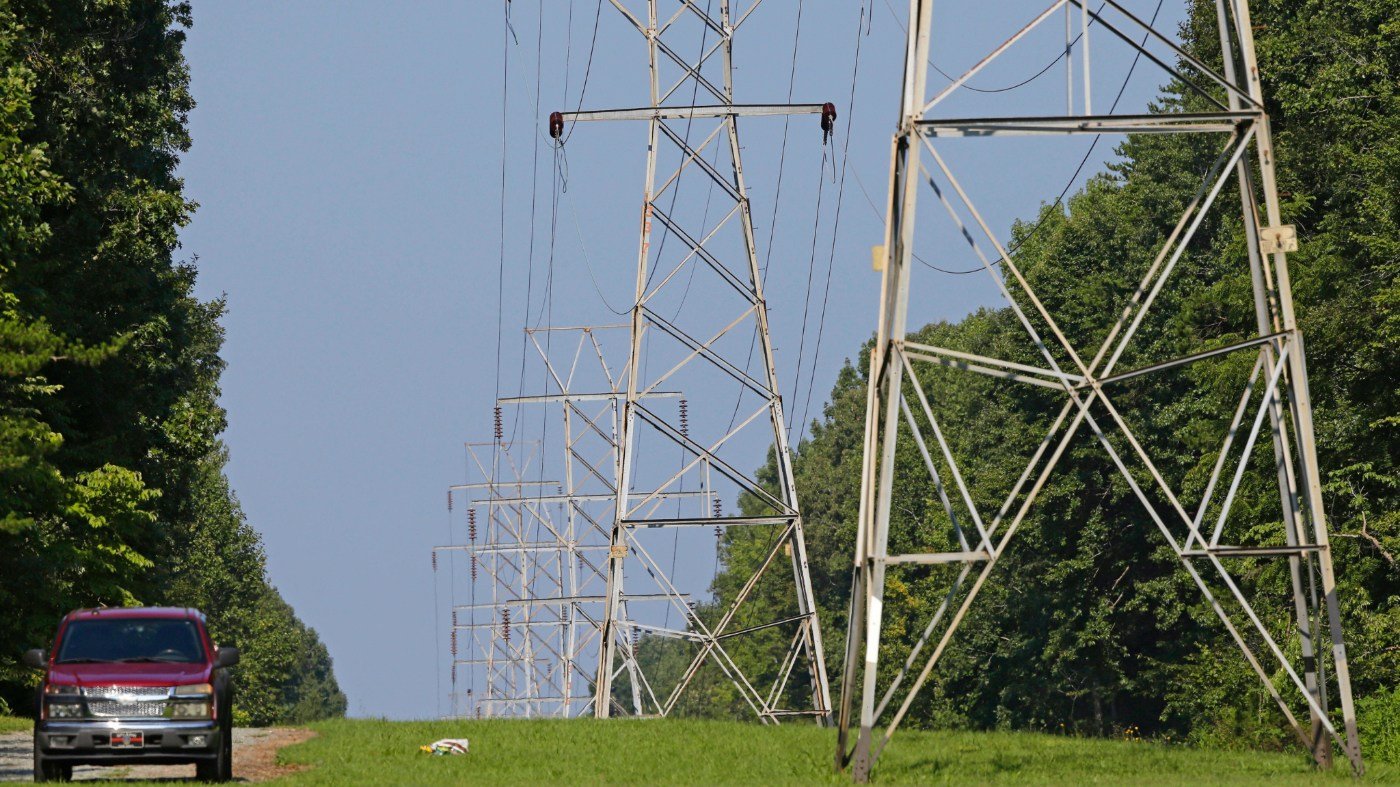
While the United States still leads in cutting-edge chips, talent, and access to capital, Schmidt argued that China holds a significant edge in the physical infrastructure needed to power AI. “China has infinite energy, most of it renewable, something we said we were going to do in our country 10 years ago and failed to do,” he said.
He pointed to China's rapid construction of data centers and power generation, contrasting it with U.S. delays. “They don't have interconnection queue waits that go on seven years. They don't have the same kind of debates. They're building the data centers, and they're building them massively,” Schmidt said.
To keep pace, Schmidt estimated the United States will need between 60 and 80 gigawatts of additional power by 2030 or 2031, with each gigawatt costing roughly $50 billion. “What we don't have is the energy, and we don't have the data centers,” he said.
The comments land amid growing scrutiny of the AI industry's energy demands. Concerns about rising electricity costs and pressure on local water supplies have prompted Democratic lawmakers to launch investigations. Earlier this month, Senators Elizabeth Warren (D-Mass.), Richard Blumenthal (D-Conn.), and Chris Van Hollen (D-Md.) released a report examining how data centers could drive up costs.
Political observers note that scrutiny could intensify if Democrats regain control of Congress in November, with lawmakers signaling plans for tougher AI safety regulations and deeper probes into major technology companies. The debate over AI competitiveness is also intertwined with broader congressional efforts to address China's technological rise, as well as China's warnings of retaliation against U.S. investment curbs.
Schmidt's warning adds to a growing chorus of voices urging faster U.S. action on energy and infrastructure. “They're building massively,” he said, referring to China's data center expansion, a pace he argues the United States cannot currently match.