Former Google chief executive Eric Schmidt has warned that China is now only six months behind the United States in the race to dominate artificial intelligence, pointing to Beijing's vast energy resources as a decisive edge that Washington has failed to match.
In an interview with Fast Company published Wednesday, Schmidt said the gap between the two tech superpowers has collapsed over the past two years, even as U.S. export controls have restricted China's access to advanced semiconductors. “A year or two ago, it looked like China was a year or two behind. Now it looks like they're six months behind, and there are many studies that show this,” he said.

Schmidt, who helped push for those chip restrictions during his time in government advisory roles, admitted he had expected them to set back China's AI ambitions by about a decade. Instead, Chinese developers have engineered competitive systems using far less energy and computing power. “I assumed they would work for about 10 years,” he said.
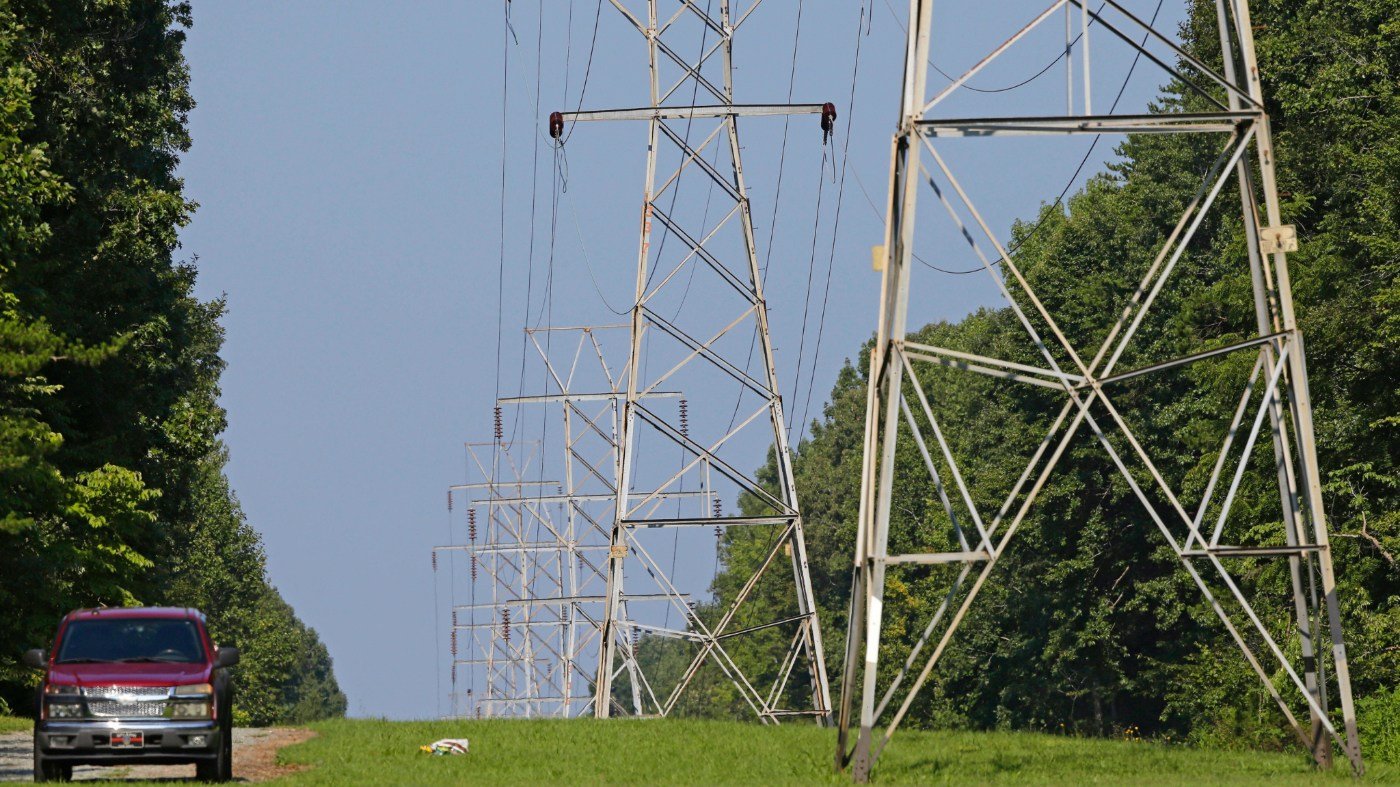
While the U.S. still leads in cutting-edge chips, talent, and access to capital, Schmidt argued that China's ability to build out infrastructure at scale is a game-changer. “China has infinite energy, most of it renewable, something we said we were going to do in our country 10 years ago and failed to do,” he said.
He contrasted China's rapid construction of data centers and power plants with the lengthy delays American developers face when trying to connect new facilities to the electrical grid. “They don't have interconnection queue waits that go on seven years. They don't have the same kind of debates. They're building the data centers, and they're building them massively,” Schmidt said.
Schmidt estimated the U.S. will need between 60 and 80 gigawatts of additional power by 2030 or 2031 to keep pace with AI demand, at a cost of roughly $50 billion per gigawatt. “What we don't have is the energy, and we don't have the data centers,” he said.
The remarks land as the rapid expansion of AI data centers draws increasing scrutiny over rising electricity costs and pressure on local water supplies. Democratic lawmakers have already begun investigating the industry's energy appetite. Earlier this month, Sens. Elizabeth Warren (D-Mass.), Richard Blumenthal (D-Conn.), and Chris Van Hollen (D-Md.) released a report examining how data centers could drive up utility bills.
The political stakes could rise if Democrats regain control of Congress in November, with lawmakers signaling plans to pursue tougher AI safety regulations and investigations into major tech firms. The debate over AI's energy footprint is also feeding into broader questions about U.S. competitiveness, as lawmakers push to reauthorize the Export-Import Bank to counter Chinese influence in critical sectors.
Schmidt's warning adds to a growing chorus of experts who argue that the U.S. is underinvesting in the physical infrastructure needed to sustain its AI leadership. The future of the House select committee on China remains uncertain as the new Congress approaches, but the energy dimension of the tech race is likely to feature prominently in any renewed oversight efforts.