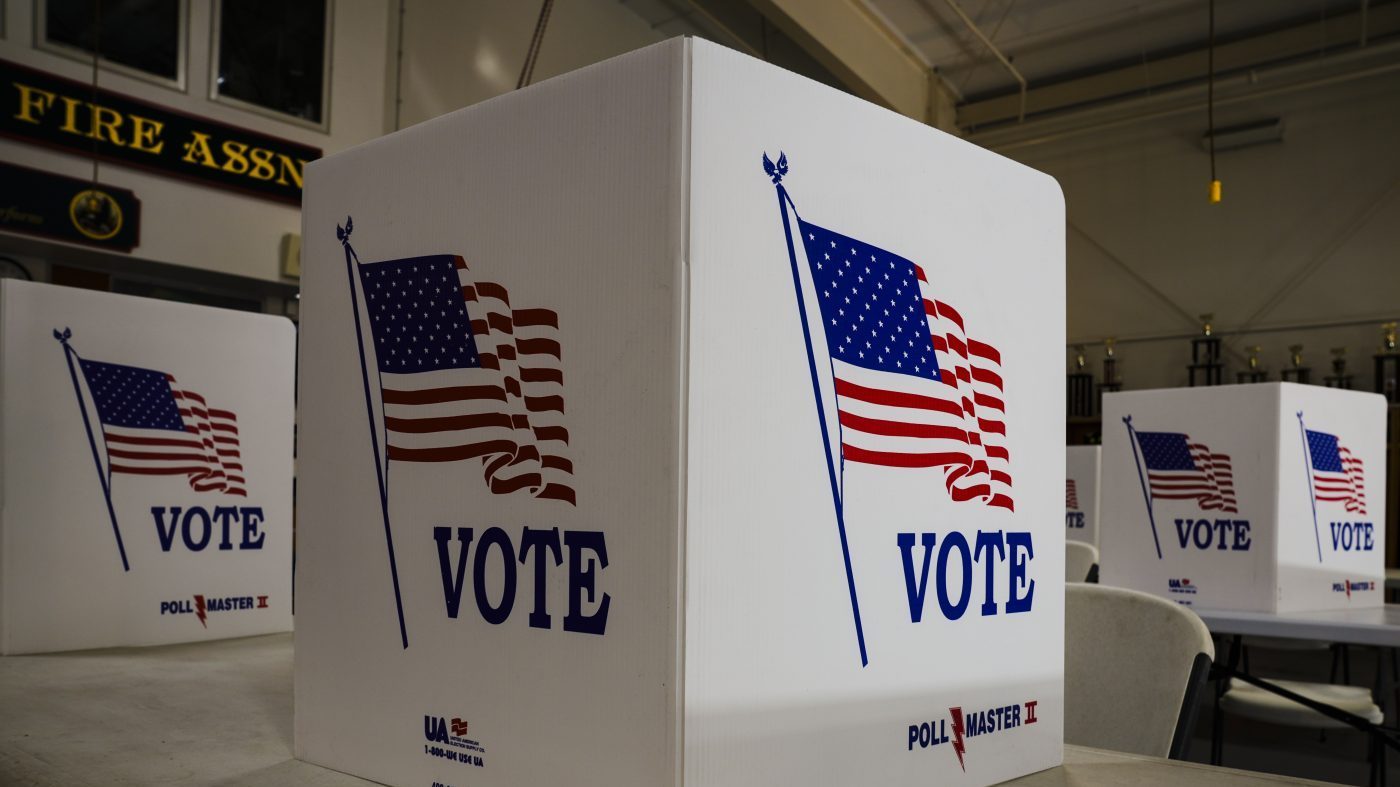
With early voting numbers outpacing the last midterm cycle, many Americans are heading to the polls with high enthusiasm. But what happens when you arrive and are told you're not on the voter rolls? It's a stressful scenario, but you have several paths forward, depending on your state's rules and your specific situation.
Check Your Status Before You Go
The best way to avoid a problem is to verify your registration before leaving home. Most states offer online portals where you can confirm your registration status and find your correct polling place. Double-check that your address on file matches your current residence—especially if you've moved recently. A quick online check can save you a headache on Election Day.

Update Your Registration On Site
If you've moved but haven't updated your registration, your name may still be tied to an old address. In many states, poll workers can update your information right at the polling place, allowing you to vote a regular ballot. In others, you may be directed to your previous polling location. Always ask a poll worker about your options before leaving the line.
Same-Day Registration: A Lifeline in Many States
Twenty-five states plus the District of Columbia offer some form of same-day registration, according to the National Conference of State Legislatures. That means you can register and vote on the spot, even if you missed the deadline. However, you'll need to bring proof of identity and residency—typically a photo ID and a utility bill or bank statement with your current address. Even in states without strict voter ID laws, these documents are required for same-day sign-up. For a full list of states, check our same-day registration guide.
If You're Turned Away: Call for Backup
If you believe you're registered, have the right ID, and are still denied a ballot, don't walk away. The Election Protection Hotline, run by Vote.gov, is staffed with volunteers who can help you navigate the situation. Call 1-866-687-8683. You can also reach out to your local election office directly—they may be able to resolve the issue over the phone or send someone to assist.
Provisional Ballots: Your Safety Net
If you're at the polling place and can't resolve the issue, you have the right to request a provisional ballot. This is a backup option that ensures your vote is recorded, but it's not counted immediately. Election officials will verify your eligibility after Election Day. You'll receive instructions on what you need to do to ensure your ballot is counted—often, you must provide additional documentation within a few days. You can also track your provisional ballot online in many states to see if it was accepted.
Provisional ballots have been a point of contention in recent elections. For example, a lawsuit in Alaska highlighted how ballot confusion can affect outcomes. While that case involved name similarities, it underscores the importance of making sure your vote is properly recorded.
Know Your Rights, Be Prepared
Election laws vary widely, so it's crucial to know your state's rules ahead of time. If you're voting in a state with same-day registration, take advantage of it. If not, make sure your registration is up to date well before Election Day. And if you encounter problems, remember: you can always ask for a provisional ballot, and you can call the hotline for free, nonpartisan assistance.
With record turnout expected, poll workers may be overwhelmed. Patience and preparation are your best tools. For more on how voter roll issues could affect close races, see our analysis of voter roll-off in Texas. And if you're concerned about ballot security, check out this piece on California's ballot security challenges.