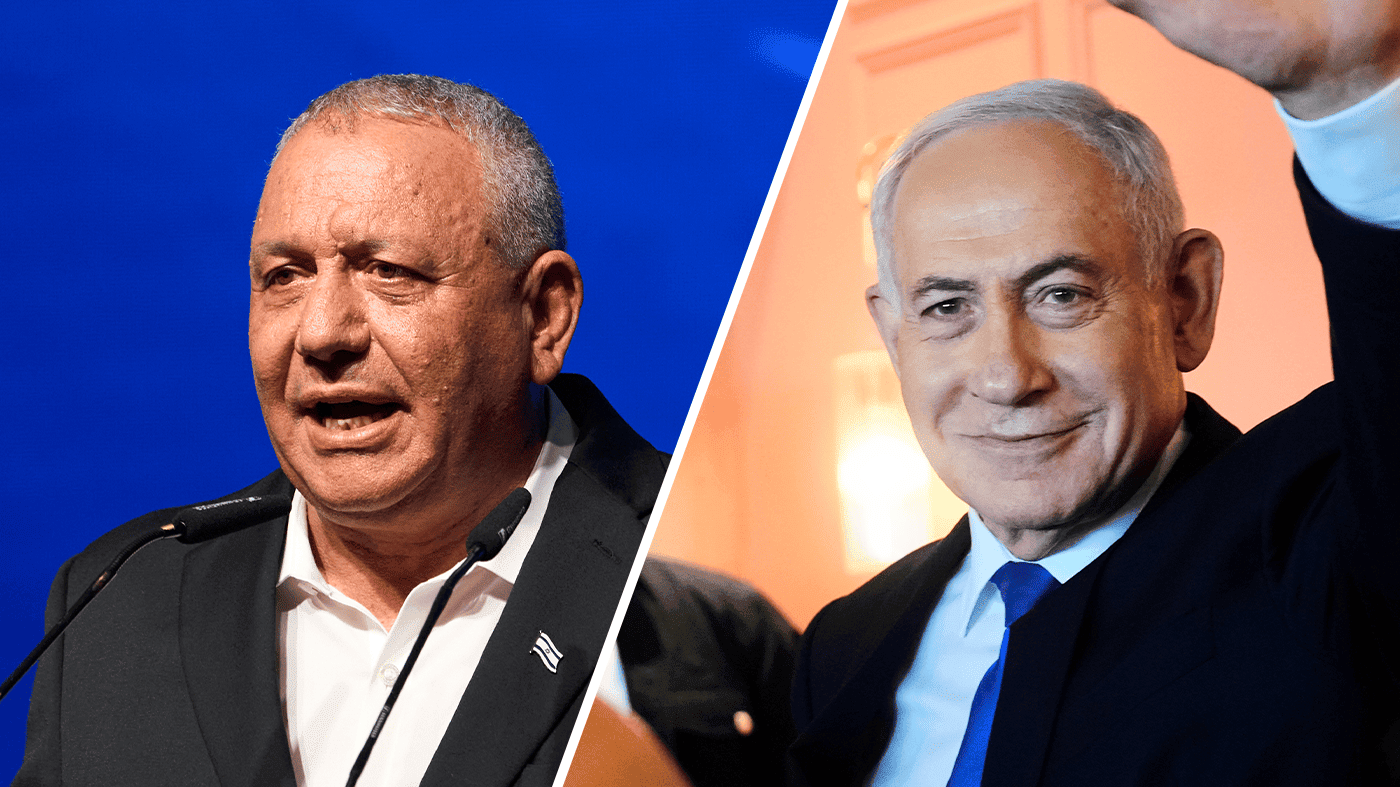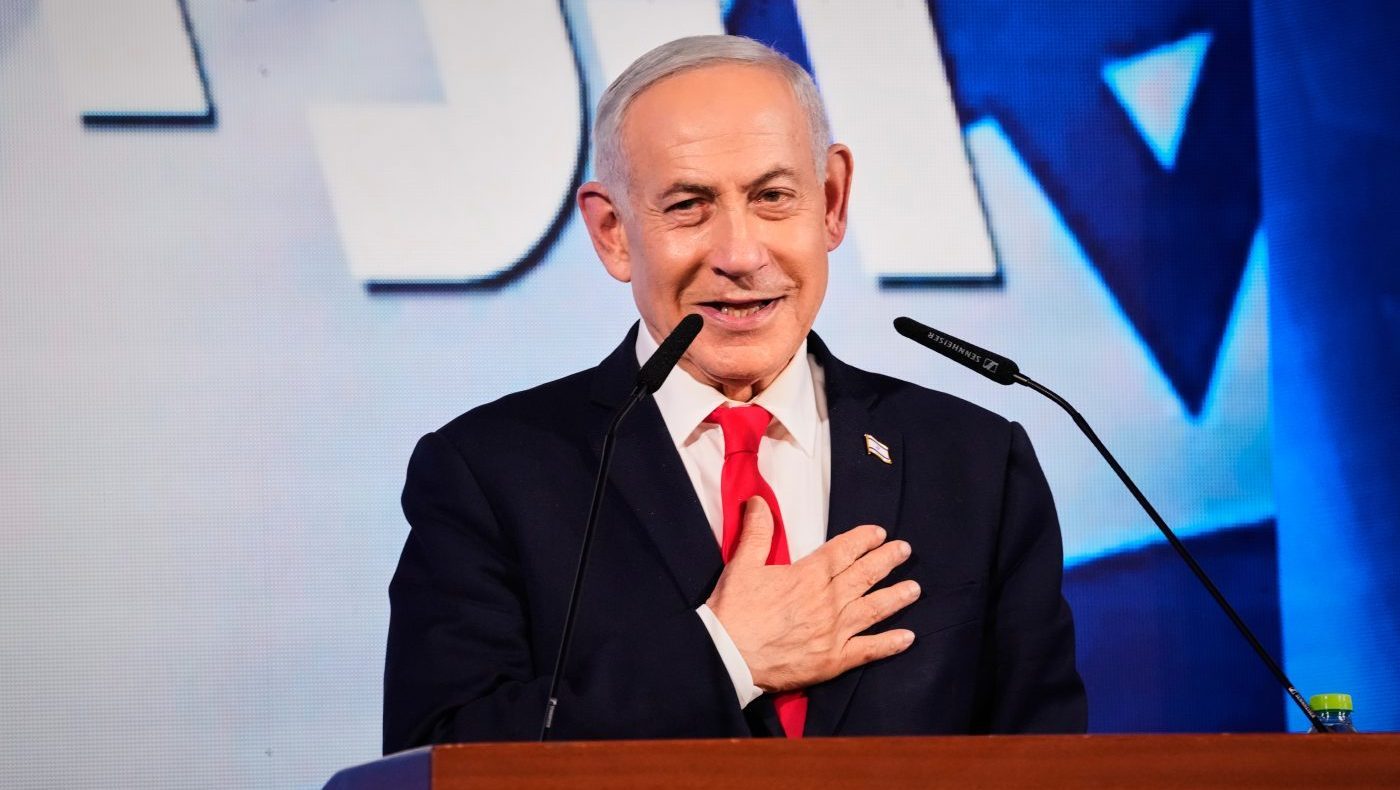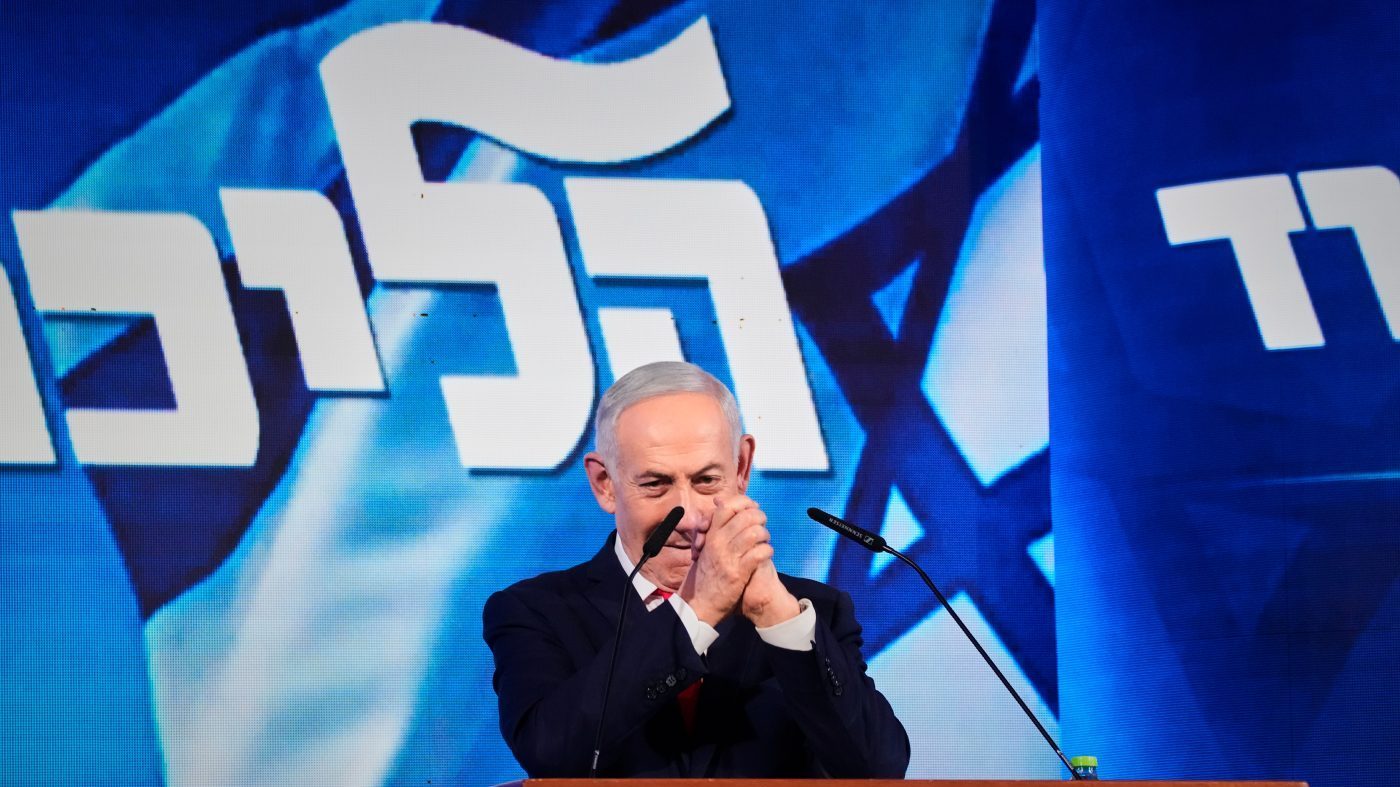
Prime Minister Benjamin Netanyahu's Likud party leveled explosive accusations on Wednesday, claiming that Arab political factions orchestrated a campaign of voter fraud to tilt Israel's election in their favor. The allegations surfaced as preliminary tallies indicated that neither Netanyahu nor his principal challenger, Gadi Eisenkot, had secured a governing majority.
In a statement shared by Netanyahu on X, Likud asserted that Arab parties—which it described as supportive of terrorism and the destruction of the Jewish state—engaged in bribery, voter intimidation, forgery, and the use of prohibited software to manipulate turnout. The party characterized these acts as "serious criminal offenses" designed to steal the election.

"The elections in the State of Israel were stolen by Arab parties that support terrorism and the elimination of the Jewish state through serious criminal offenses of bribery, threats, violence, forgeries, and the use of prohibited software to mobilize voters," the statement read.
Likud said it had compiled hundreds of witness accounts and pieces of evidence, which it handed over to the Israeli police, the Shin Bet domestic security agency, and the Central Elections Committee. The party alleged that thousands of envelopes containing cash and ballots for Ra'am, an Arab party, were distributed to voters, and that individuals cast multiple ballots, used false identities, and deployed unauthorized software to boost voter numbers.
However, these claims have not been independently verified, and Likud did not publicly release the purported evidence. The party demanded a thorough investigation and full prosecution of those involved, stating, "We demand from the police and the Shin Bet a thorough investigation into the election theft by the Arab parties and the full prosecution of the criminals."
The accusations come at a precarious moment for Netanyahu, who had received an endorsement from former President Trump. With 85.6 percent of ballots counted by Wednesday, the right-wing bloc led by Netanyahu holds 53 seats, the opposition coalition under Eisenkot has 48, and Arab parties have secured 19 seats—leaving all groups short of the 61 seats required to form a government. The deadlock has intensified political uncertainty, with Eisenkot's bloc making historic gains that could position him as a kingmaker in coalition negotiations.
Eisenkot's security credentials have been a central theme of his campaign, offering voters an alternative to Netanyahu's long tenure. As the vote count continues, the focus now shifts to potential coalition talks, with the Arab parties potentially playing a decisive role in shaping Israel's next government—a prospect that Likud's fraud allegations may complicate.
Political analysts note that such accusations, if unsubstantiated, risk inflaming tensions in an already polarized electorate. The Central Elections Committee has yet to comment on the claims, and legal experts caution that the evidence will need to be scrutinized carefully before any conclusions are drawn.
The situation echoes broader concerns about election integrity, as seen in recent U.S. disputes, such as the legal battles over vote counting in key states. Meanwhile, international observers are watching closely, given Israel's strategic importance and the potential for prolonged political instability.
As the final ballots are tallied, the coming days will determine whether Netanyahu can retain power or whether a new coalition—potentially including Arab parties—will emerge. The fraud allegations add another layer of complexity to an already volatile political landscape.