American families are feeling the pinch of rising electricity bills, with the average household now paying about 18 cents per kilowatt-hour—a nearly 10 percent jump in just two years. Since 2021, residential electricity prices have surged almost 30 percent, far outpacing inflation. This leaves less money for groceries, gas, and holiday gifts, a concern echoed by voters ahead of the midterms.
In response, a bipartisan group of senators has introduced the Bipartisan American Affordability and Jobs Act of 2026, a rare show of unity in a divided Congress. The bill, sponsored by Sens. Shelley Moore Capito (R-W.Va.), Mike Lee (R-Utah), Sheldon Whitehouse (D-R.I.), and Martin Heinrich (D-N.M.), aims to overhaul the federal permitting process for energy infrastructure, which experts say adds billions in costs and years of delays to projects, ultimately driving up consumer prices.
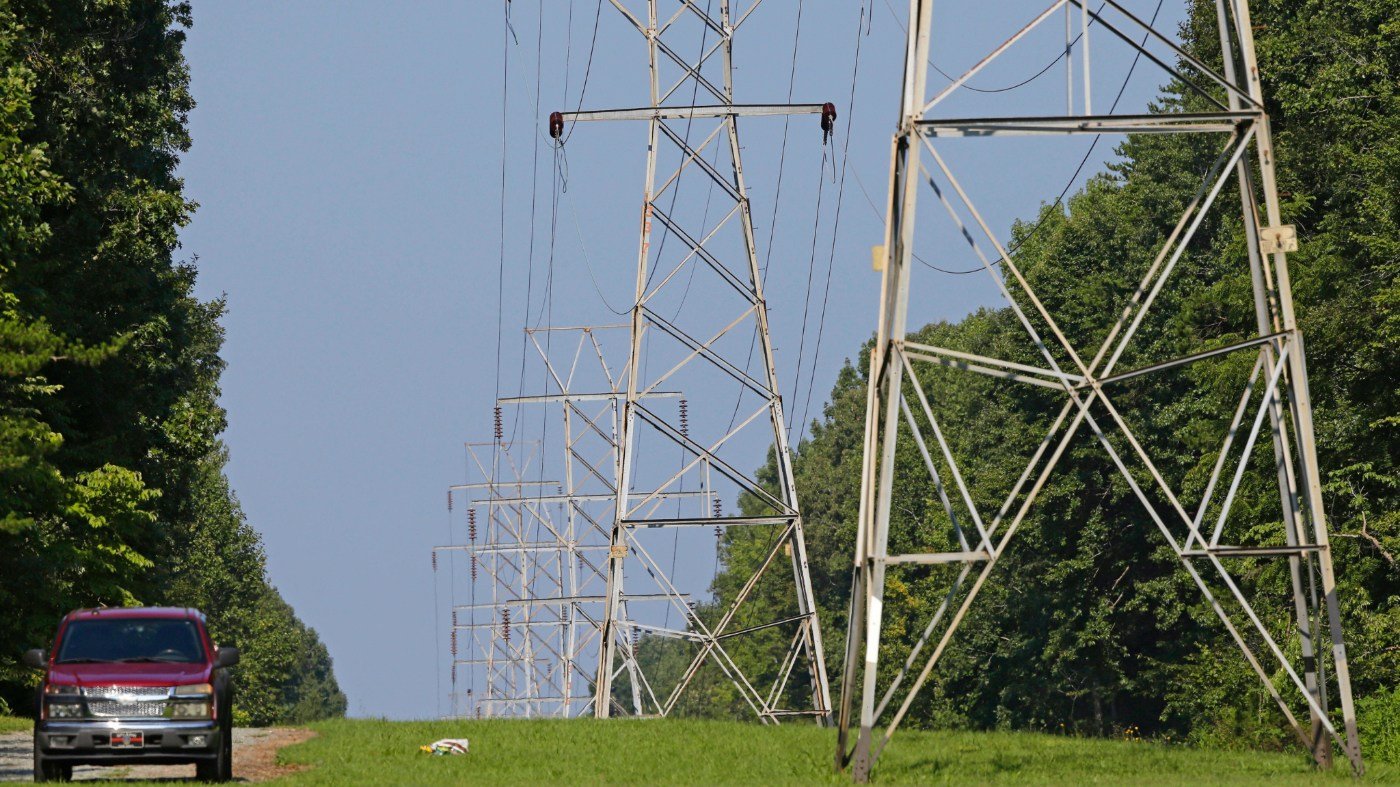
The legislation targets the biggest bottleneck: building new high-capacity transmission lines. Last year, only about 400 miles were completed, far short of the nearly 5,000 miles annually needed to keep pace with demand. The bill would streamline environmental reviews for upgrades within existing corridors and mandate that utilities adopt advanced conductors, which can double capacity on existing lines at half the cost and a fraction of the time of new construction.
AI to the Rescue
Beyond physical upgrades, the bill pushes for smarter grid management. The interconnection process—where new power plants are studied for their impact on the grid—has become a major bottleneck, with projects now taking an average of five years to connect, up from three a decade ago. Over 2,000 gigawatts of proposed generation are stuck in queues, more than the entire current fleet.
The bill directs the Federal Energy Regulatory Commission to require grid operators to use artificial intelligence and automation to speed up these studies. A recent pilot by the Midcontinent Independent System Operator showed that a study that took 686 days could be completed in just 10 days using automated software. The legislation also ensures that AI doesn't add to costs: data centers would pay the full cost of their transmission needs, and the federal government would track their electricity consumption for transparency.
While the bill won't lower bills overnight, it offers a credible path to ease pressure on households by getting more out of existing infrastructure and cutting red tape. As the nation's energy demands grow, this bipartisan effort could be a key step toward affordability and reliability. For more on how tech and energy intersect, see efforts to hold AI executives accountable.
The proposal has drawn praise from industry groups and consumer advocates alike, who see it as a rare example of policy addressing a kitchen-table issue. With the midterms looming, lawmakers are eager to show progress on costs that voters feel directly—a theme echoed in recent polling on worsening personal finances.
If enacted, the bill could reshape how the U.S. builds and manages its grid, leveraging technology to lower costs and improve reliability. As one analyst put it, "Getting more out of the wires we have is the cheapest, fastest way to bring down bills."