The Senate on Monday voted 73-25 to advance a major bipartisan permitting reform bill, clearing a key procedural hurdle and setting the stage for likely passage in the coming weeks. The legislation, known as the Bipartisan American Affordability and Jobs Act, aims to streamline the construction of energy and infrastructure projects by curtailing environmental reviews and limiting legal challenges.
The vote saw only one Republican, Sen. Mike Rounds of South Dakota, break ranks, while 25 Democrats and independents opposed the measure. Among the Democratic no votes were prominent progressives like Sens. Elizabeth Warren of Massachusetts, Bernie Sanders of Vermont, and Ed Markey of Massachusetts, as well as moderates such as Sen. Michael Bennet of Colorado and Sen. Tim Kaine of Virginia.

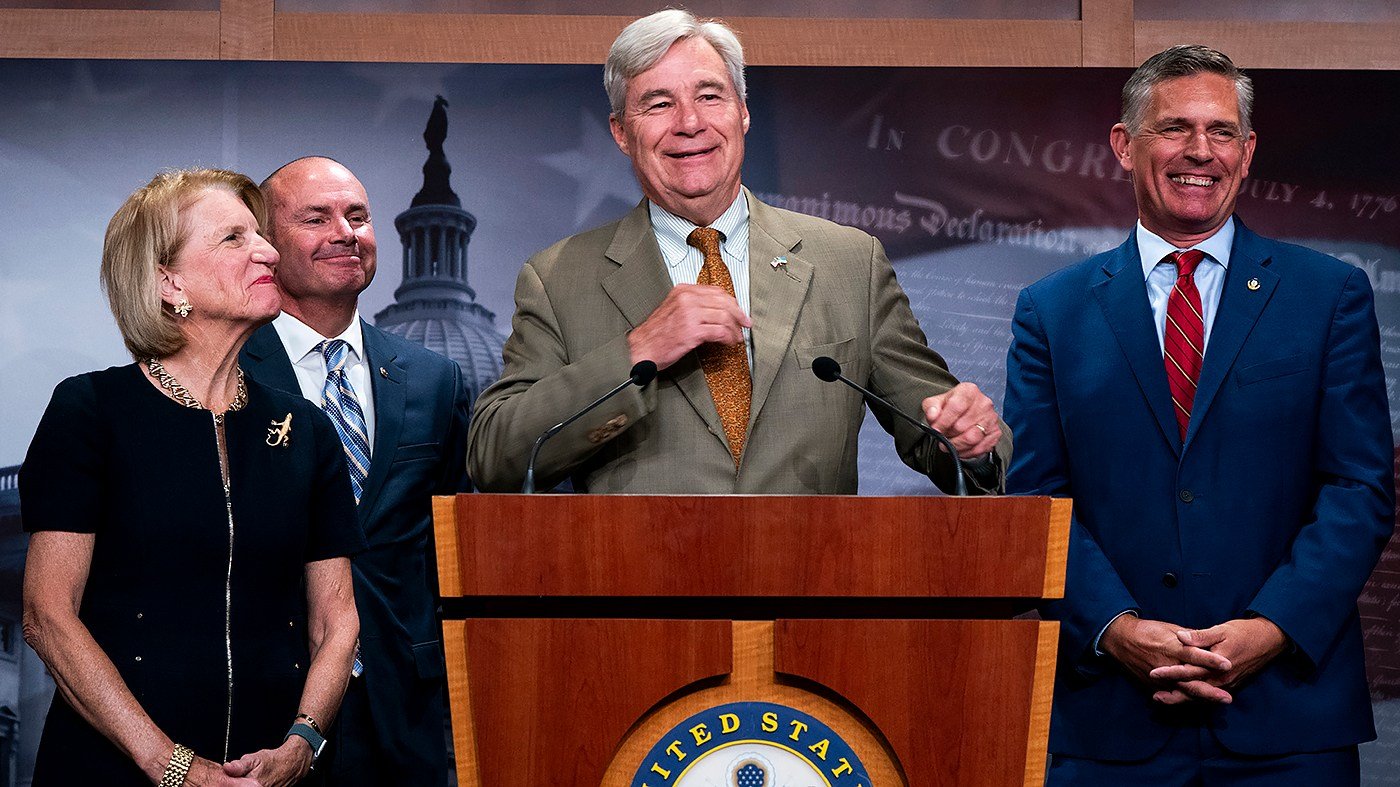
Supporters argue the bill will boost the economy and lower consumer costs. Sen. Sheldon Whitehouse (D-R.I.), a key architect of the compromise, told reporters that the measure could save households $60 to $80 per month and cut greenhouse gas emissions by 1.5 to 1.8 gigatons. He also projected increases in wind capacity by 25%, solar by 28%, and battery storage by 70%.
“This is a climate and clean energy bill,” Whitehouse said. “Once this bill is law, it will have a more powerful climate effect in the power sector than the IRA will have—largely because of the destruction wrought by Republicans on the IRA. This becomes our biggest implemented climate bill.”
However, President Donald Trump injected uncertainty into the process on Monday, stating he would not approve new wind turbines, despite the bill’s aim to provide certainty for all energy types. “I will not approve wind turbines,” Trump told reporters, calling them “a major loser.” His administration’s stance has been a flashpoint in negotiations, though Trump indicated he still supports the overall legislation.
The bill includes provisions to prevent presidential administrations from revoking existing permits, a measure that could protect renewable projects now and fossil fuel projects under a future Democratic administration. It also allows developers to sue the government over “disparate treatment” of energy sources. Additionally, the bill seeks to ease the construction of power lines to bring more renewable energy onto the grid and would require data centers to pay their fair share for electricity use.
Environmental groups have sharply criticized the bill. Sierra Club Executive Director Loren Blackford said in a statement that “rushing legislation that erodes Tribal sovereignty and people’s right to have a say in what is built in their communities, abandons clean water safeguards, and wildlife protections, while further enabling a rogue president that is waging a war on clean energy and our public lands is not an acceptable outcome.”
The compromise was brokered by Whitehouse, Sens. Martin Heinrich (D-N.M.), Shelley Moore Capito (R-W.Va.), and Mike Lee (R-Utah). Republicans pushed for reduced environmental reviews and fossil fuel support, while Democrats sought aid for renewables. The bill has backing from major industry groups, including fossil fuel, renewable energy, chemical, construction, and manufacturing sectors. The Edison Electric Institute, which represents utilities, announced support after weekend changes aimed at addressing tribal concerns, though several tribal groups reaffirmed their opposition on Sunday.
As the Senate moves toward final passage, the bill’s fate remains uncertain, with Trump’s comments adding a layer of complexity. The legislation is a test of bipartisan cooperation in a divided Congress, with implications for energy policy and environmental regulation for years to come.