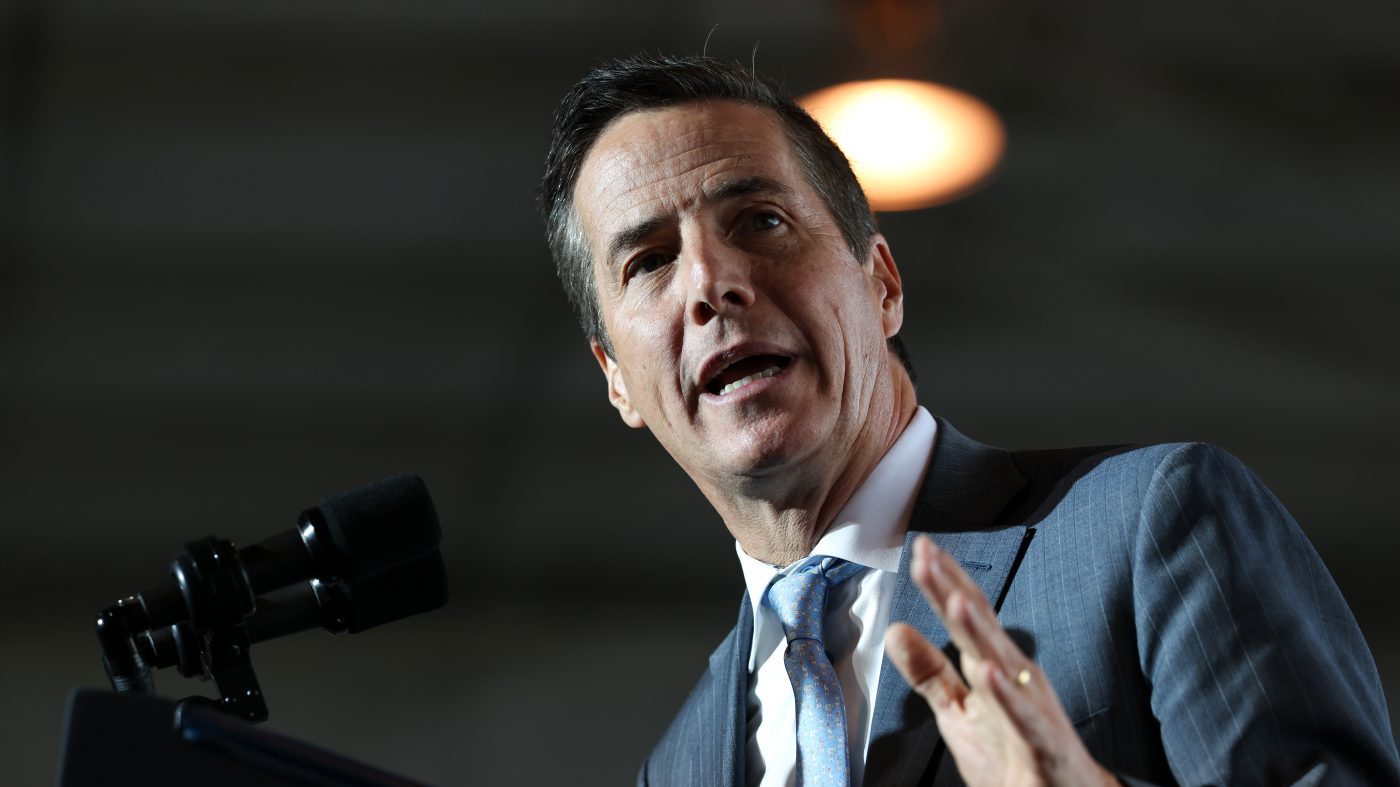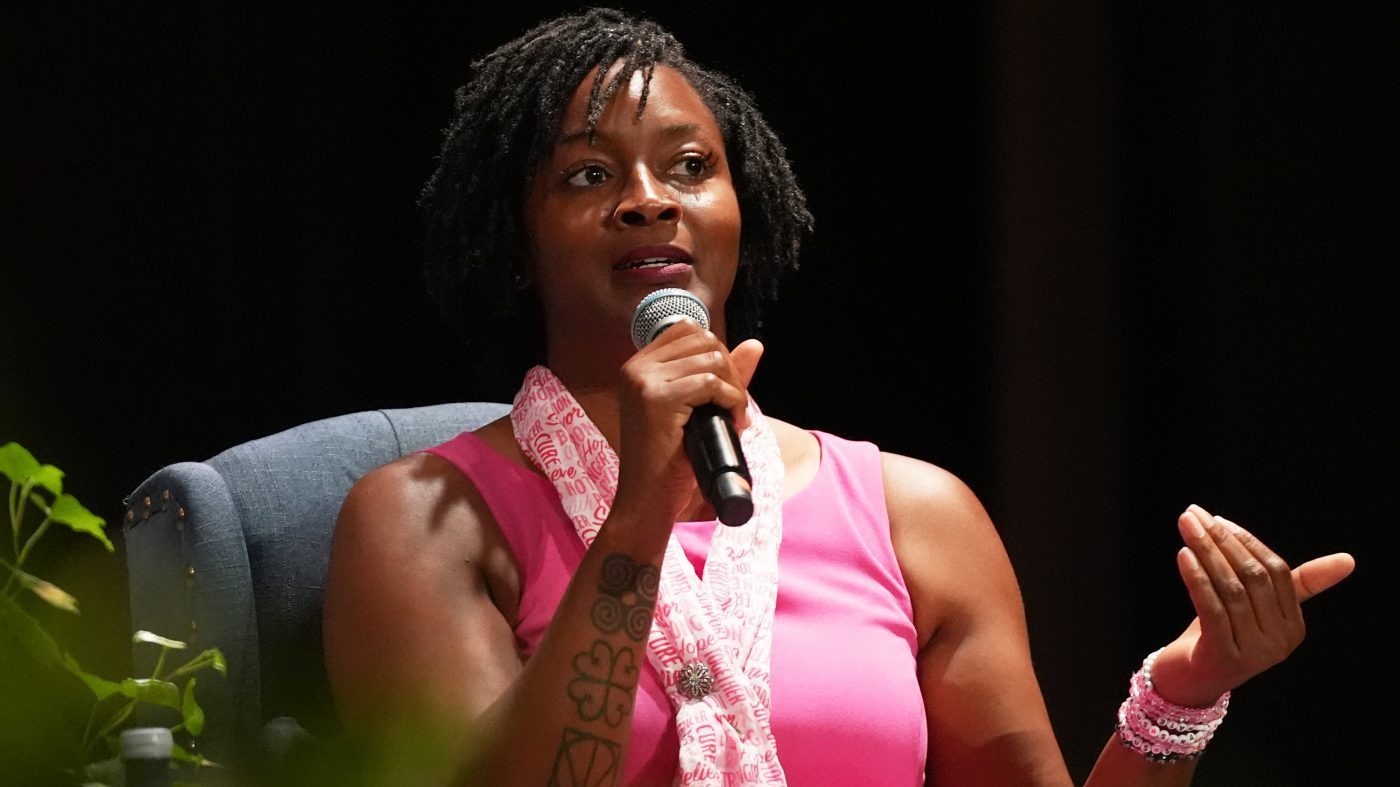
Defeated Florida Senate candidate Angie Nixon (D) described her loss to Republican incumbent Ashley Moody as a “missed opportunity” for Democrats in the Sunshine State, pointing to a lack of early investment in key constituencies.
In an interview posted Tuesday on “The Don Lemon Show,” Nixon said the party must back up its rhetoric with resources. “If we want to continue to profess that we care about Black people and Hispanic communities, then we need to invest in them,” she said. “Black women, especially Black people, are seen as the backbone of the party, and so they need to not only invest … in our labor so to speak, they need to really invest in our leadership.”
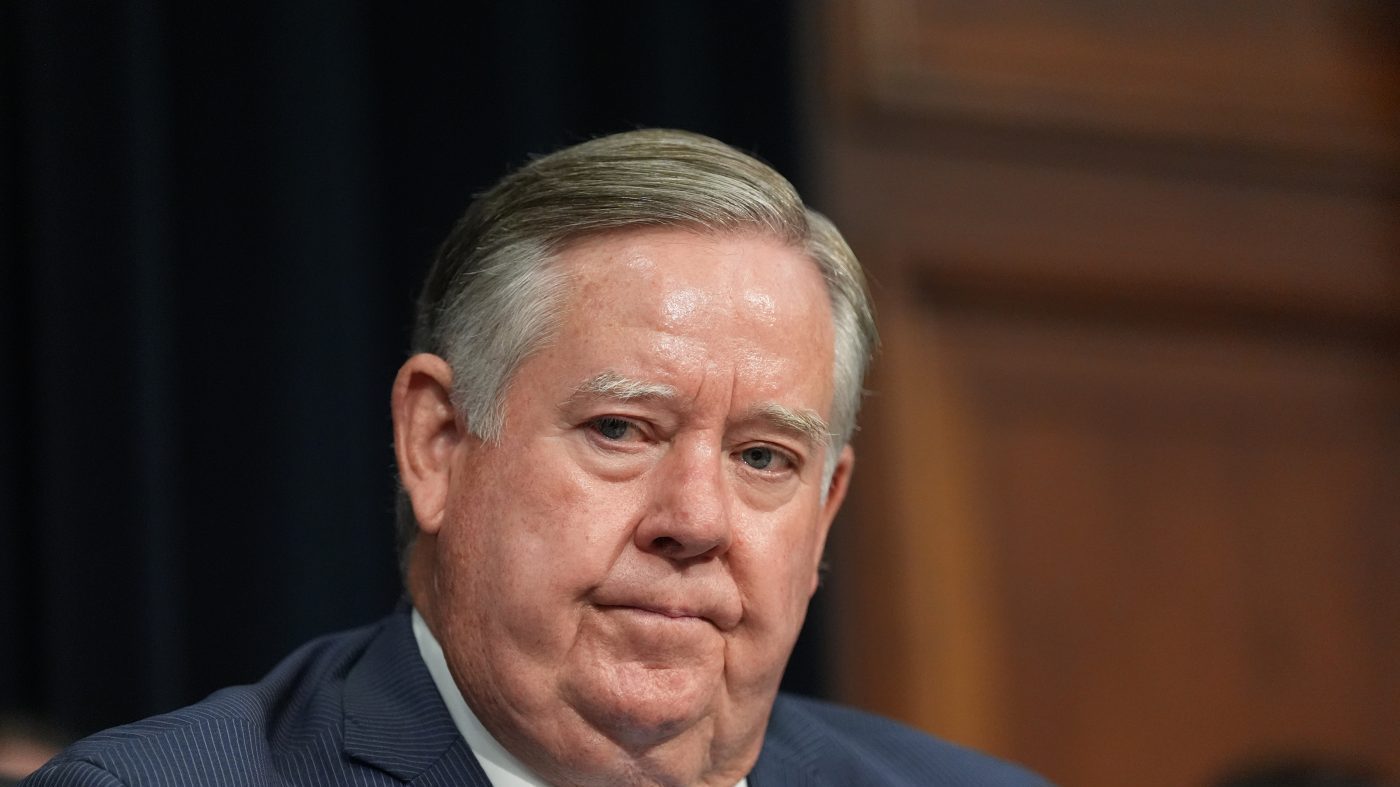
Nixon’s comments come as Democrats enjoyed a strong night nationally, flipping legislative chambers and winning Senate races in battlegrounds like Texas, South Carolina, Iowa, and Kansas. Florida, however, remained firmly in Republican hands, with Nixon losing by roughly 200,000 votes (about three percentage points) and Rep. Byron Donalds (R) defeating Democrat David Jolly in the governor’s race by a similar margin.
The candidate also revealed that financial help from national Democrats, including Senate Majority Leader Chuck Schumer (D-N.Y.), arrived “the day before the election” — a timing she suggested was too late to make a difference. The Hill has reached out to Schumer’s office, Nixon’s campaign, and the Democratic Senatorial Campaign Committee for comment.
Nixon’s critique echoes broader concerns among Florida Democrats, who have long complained that the national party treats the state as a fundraising base rather than a competitive battleground. Despite the losses, state party chair Nikki Fried struck a hopeful tone, telling The Hill that the party is closer to a breakthrough than it appears.
“Yes, we could win. … Imagine if we put a little more into Florida,” Fried said, recounting recent conversations with party operatives. Her optimism is fueled by down-ballot gains in some state legislative races, even as the top of the ticket faltered.
The Florida result stands in contrast to the national mood, where Democrats capitalized on voter anger over falling gas prices and other issues. But the state’s shifting demographics and Republican registration advantage continue to pose structural challenges.
Nixon’s call for a “tough conversation” about the party’s approach to Florida reflects a growing frustration among progressives who argue that policymaking priorities must be paired with sustained on-the-ground organizing. Whether national Democrats heed that warning remains an open question as they look toward 2028.