Fresh data from the Federal Reserve Bank of New York shows Americans are carrying more credit card debt than ever, just as congressional Democrats prepare to push legislation that would cap interest rates on those balances.
According to the New York Fed's quarterly report, credit card balances rose by $22 billion in the third quarter, a 1.7% increase from the previous quarter. That brings total credit card debt to $1.28 trillion—$52 billion more than the same period last year.

The report also found that 6.9% of cardholders fell into serious delinquency, defined as missing at least three consecutive payments. That's a slight improvement from the 7.05% rate in the third quarter of 2025, but the numbers remain elevated.
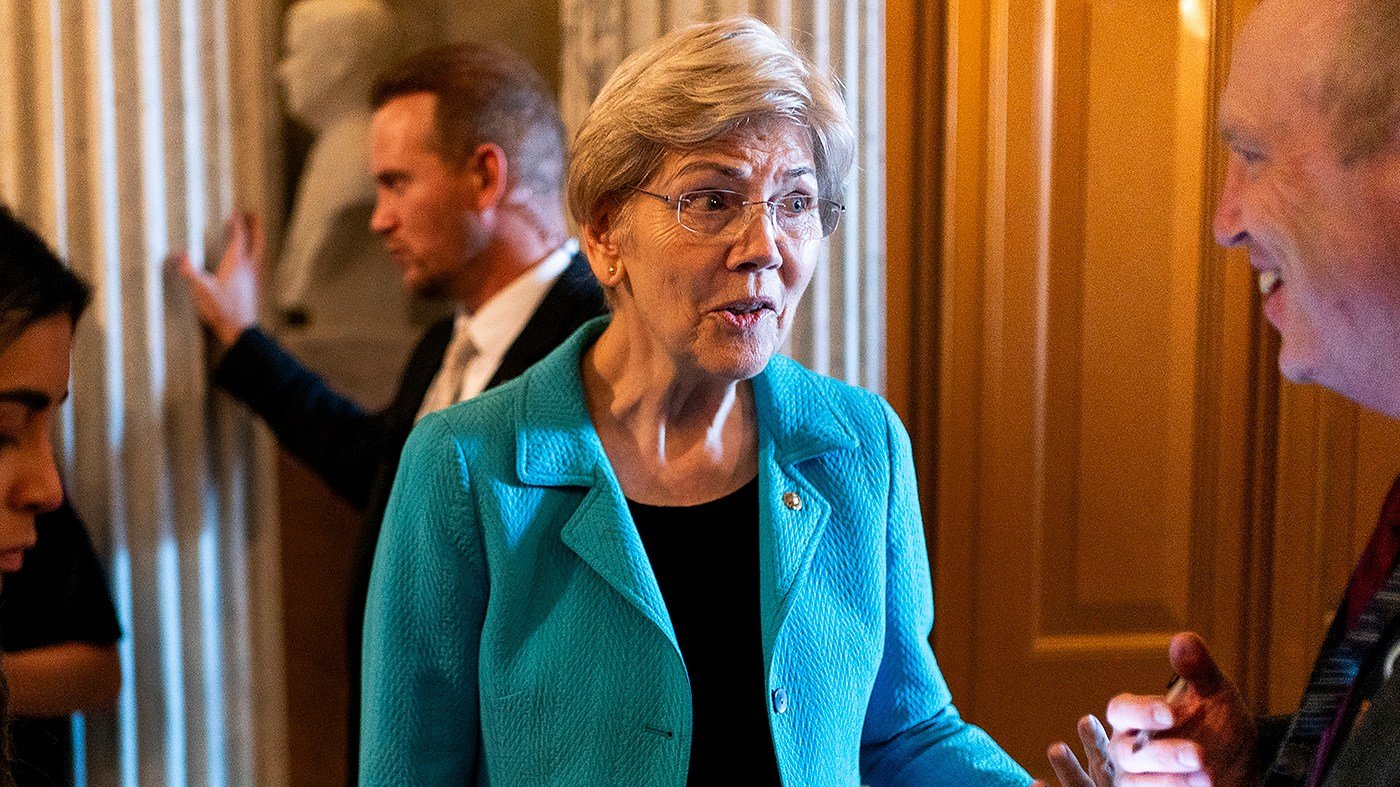
President Trump floated a temporary 10% cap on credit card interest rates back in January, but no legislation moved. Now, with Democrats set to take control of both chambers in January, Sen. Elizabeth Warren (D-Mass.) says she's ready to act. Democrats' recent gains have put Warren in line to chair the Senate Banking Committee, and she told CBS's "Face the Nation" on Sunday: "I got the bill, I'm ready to go."
Sen.-elect James Talarico (D-Texas), who campaigned on the issue, called credit card companies "predatory" and has made rate caps a central part of his platform. The push comes as the average credit card interest rate hovers around 19.71%, according to Bankrate.
But the proposal is drawing sharp criticism from some policy experts. Jessica Riedl, a budget and tax fellow at the Brookings Institution and a former aide to Sen. Rob Portman (R-Ohio), warned on X that a rate cap would likely lead banks to cancel cards for "everyone with a credit score under 750." She added, "I bet they'll love having to instead rely on payday loans, pawn shops, and local loan sharks to provide quick credit in a pinch."
The debate comes as Democrats also look to advance a broader economic agenda, including gas prices and other consumer costs that remain top of mind for voters. Warren's proposal would cap rates at 10% for one year, a move her supporters say would provide immediate relief to households struggling with high-interest debt.
Opponents argue that such a cap would distort the credit market, reduce access to credit for riskier borrowers, and push them toward less regulated lending options. The push for consumer protections is part of a broader Democratic agenda, but the credit card measure may face an uphill battle in a closely divided Senate.
With the new Congress set to convene in January, the battle over credit card interest rates is expected to be one of the first major policy fights of the session. For now, the data shows that American households are increasingly reliant on credit, and the political pressure to do something about the cost of that credit is only growing.