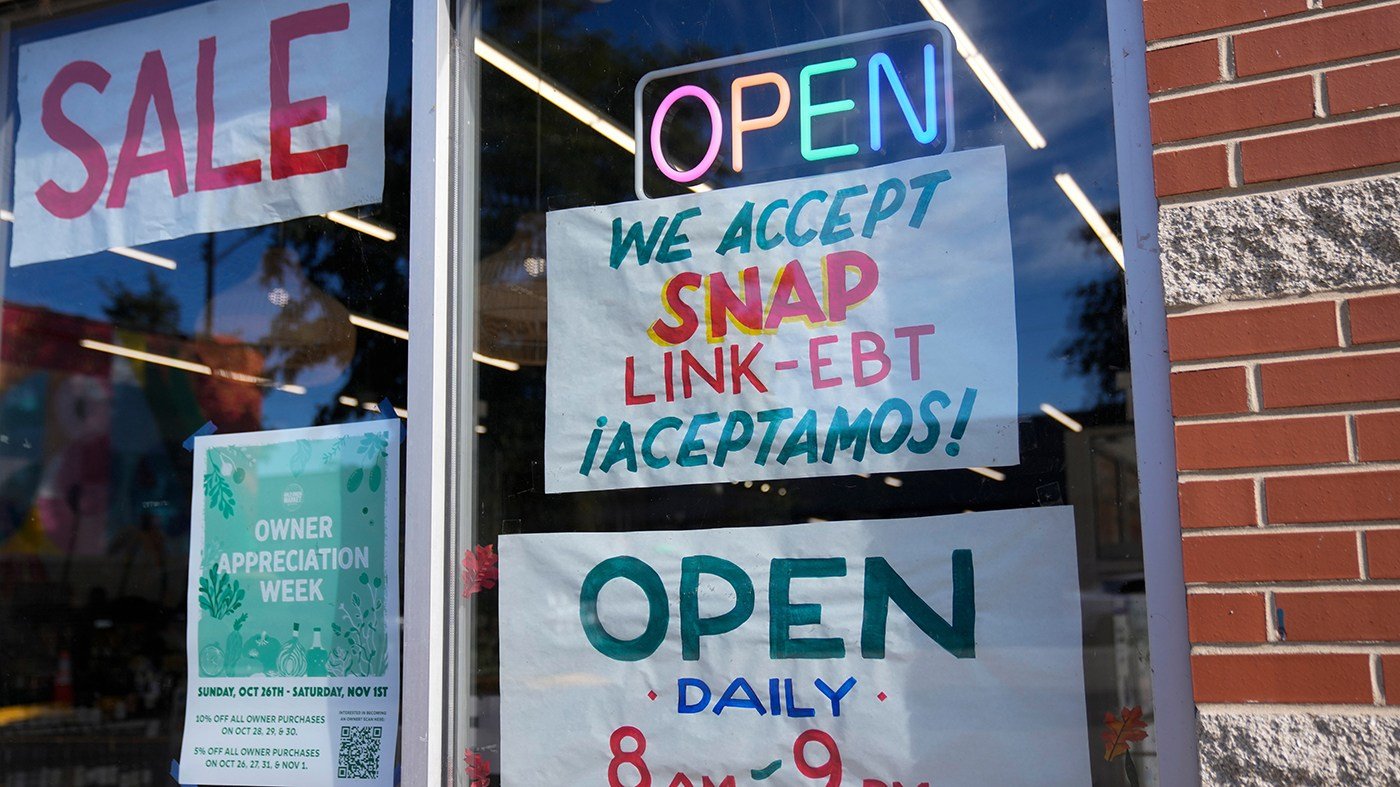
The Department of Agriculture unveiled a proposal that would significantly restrict eligibility for the Supplemental Nutrition Assistance Program, potentially removing millions of Americans from the food aid rolls. The rule targets a long-standing policy known as broad-based categorical eligibility, which allows states to automatically enroll families in SNAP if they already qualify for Temporary Assistance for Needy Families, bypassing separate federal income tests.
Under current rules, TANF eligibility can extend to households earning up to 200 percent of the federal poverty line, while SNAP normally caps income at 130 percent. The USDA argues that eliminating this flexibility will "preserve benefits for the truly needy" by ensuring that only those who meet the stricter federal income threshold receive assistance. According to the department's own estimate, about 17.6 percent of SNAP participants—roughly 3.2 million households, or 6.3 million individuals—would lose benefits in the first year if the rule takes effect.

Rep. Angie Craig (D-Minn.), the top Democrat on the House Agriculture Committee, condemned the proposal in a statement, calling it "heartless and cruel." She warned that the change would make it harder for families to meet basic needs and would undermine efforts to streamline federal programs. Craig also noted that the fallout would extend beyond SNAP, affecting eligibility for other safety-net programs such as the Special Supplemental Nutrition Program for Women, Infants, and Children and Summer EBT.
The proposal is open for public comment until December 10, setting the stage for a fierce lobbying battle. It follows previous attempts by the Trump administration to shrink SNAP through the "One Big Beautiful Bill," which slashed $180 billion from the program and imposed new work requirements. That legislation also pressured states to reduce error rates to 6 percent or less by fiscal year 2028, with 41 states at risk of losing portions of their SNAP funding if they fail to comply.
Enrollment in SNAP has already fallen more than anticipated over the past year as provisions of the bill began to take effect. The program saw a 13 percent drop in participation within a single year, a decline that could accelerate if the new eligibility restrictions are implemented.
Critics argue that the USDA's move is part of a broader effort to dismantle the social safety net, while supporters contend it is necessary to rein in federal spending and ensure that benefits go to the most vulnerable. The department did not respond immediately to a request for comment.
As the comment period proceeds, advocates on both sides are expected to mobilize. The outcome will have far-reaching implications for millions of low-income Americans and could reshape the landscape of federal nutrition assistance for years to come.