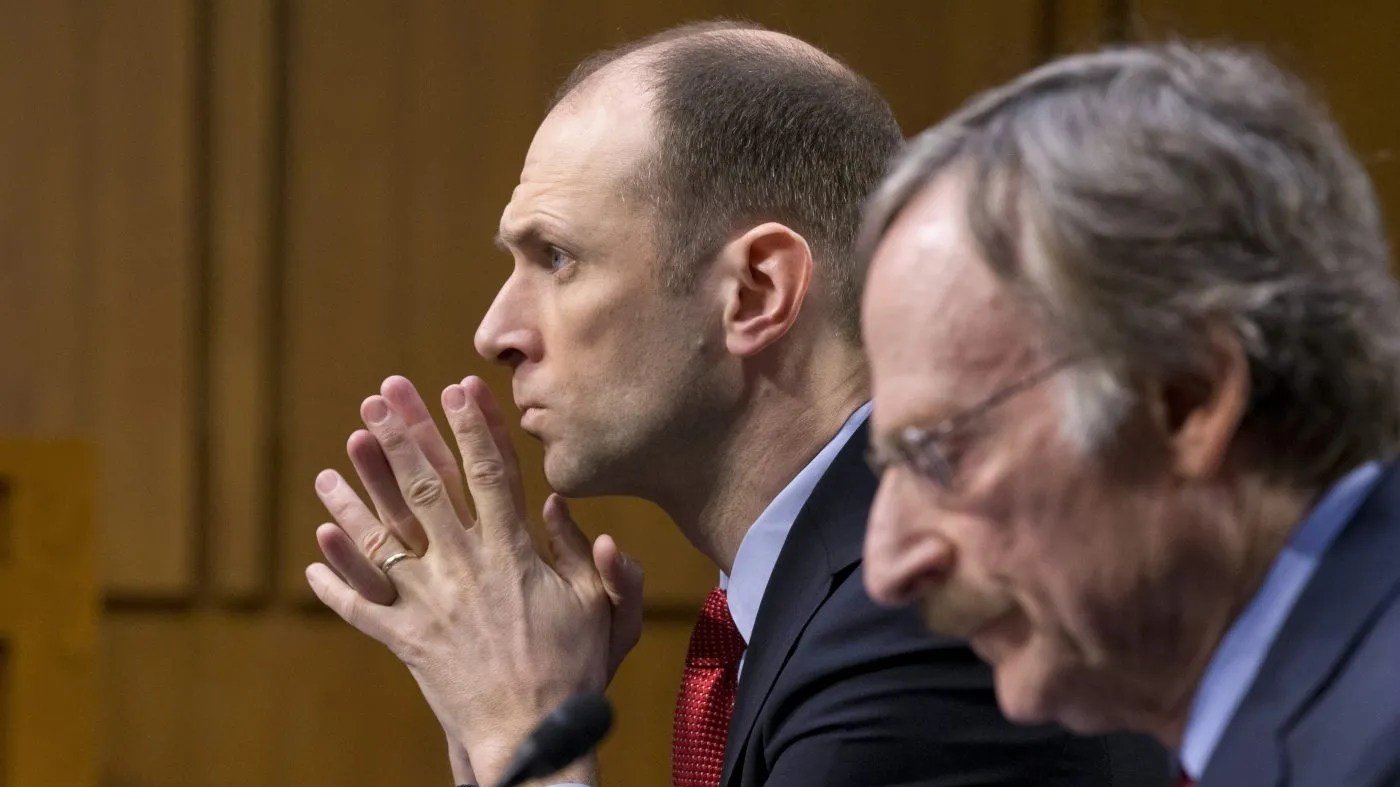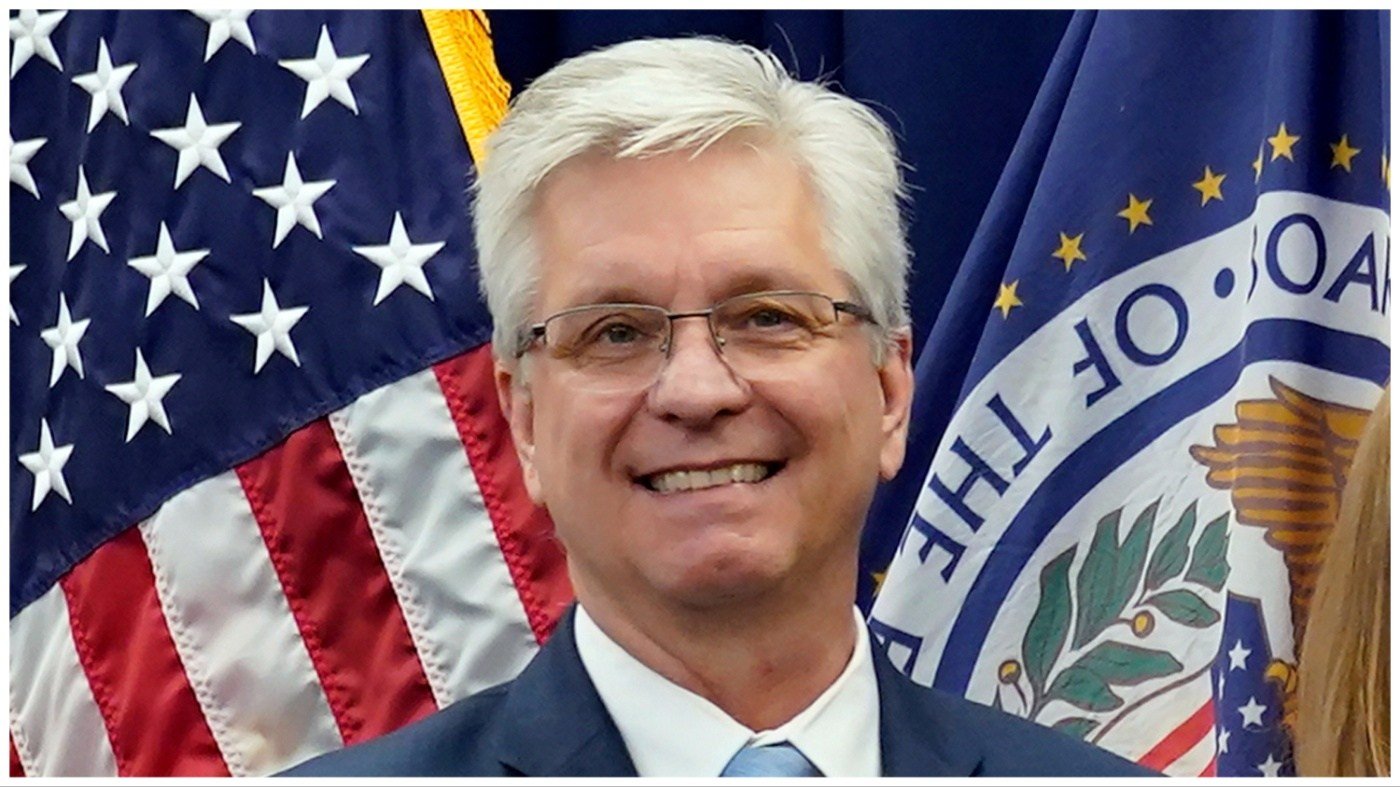
Federal Reserve Governor Christopher Waller suggested Tuesday that he could support a larger-than-expected interest rate increase at the central bank's December meeting, depending on the latest inflation figures.
Speaking at the Bank of England Watchers' Conference in London, Waller said that even if October's consumer price index (CPI) shows some easing compared with September, he is "leaning toward" a quarter-point hike at the Federal Open Market Committee's (FOMC) meeting scheduled for Dec. 8-9. However, he cautioned that if core inflation remains elevated, a more aggressive move might be necessary.
"In that case, I believe a 50 basis point hike in the policy rate should be considered at the December meeting," Waller said. "Hiking only 25 basis points would put our credibility at risk, a risk I am not eager to take."
The Bureau of Labor Statistics released October CPI data on Tuesday, showing overall prices rose 0.4% from the prior month. Core prices, which strip out volatile food and energy costs, increased 0.3% for the third consecutive month—exactly the threshold Waller cited as a trigger for a larger rate move.
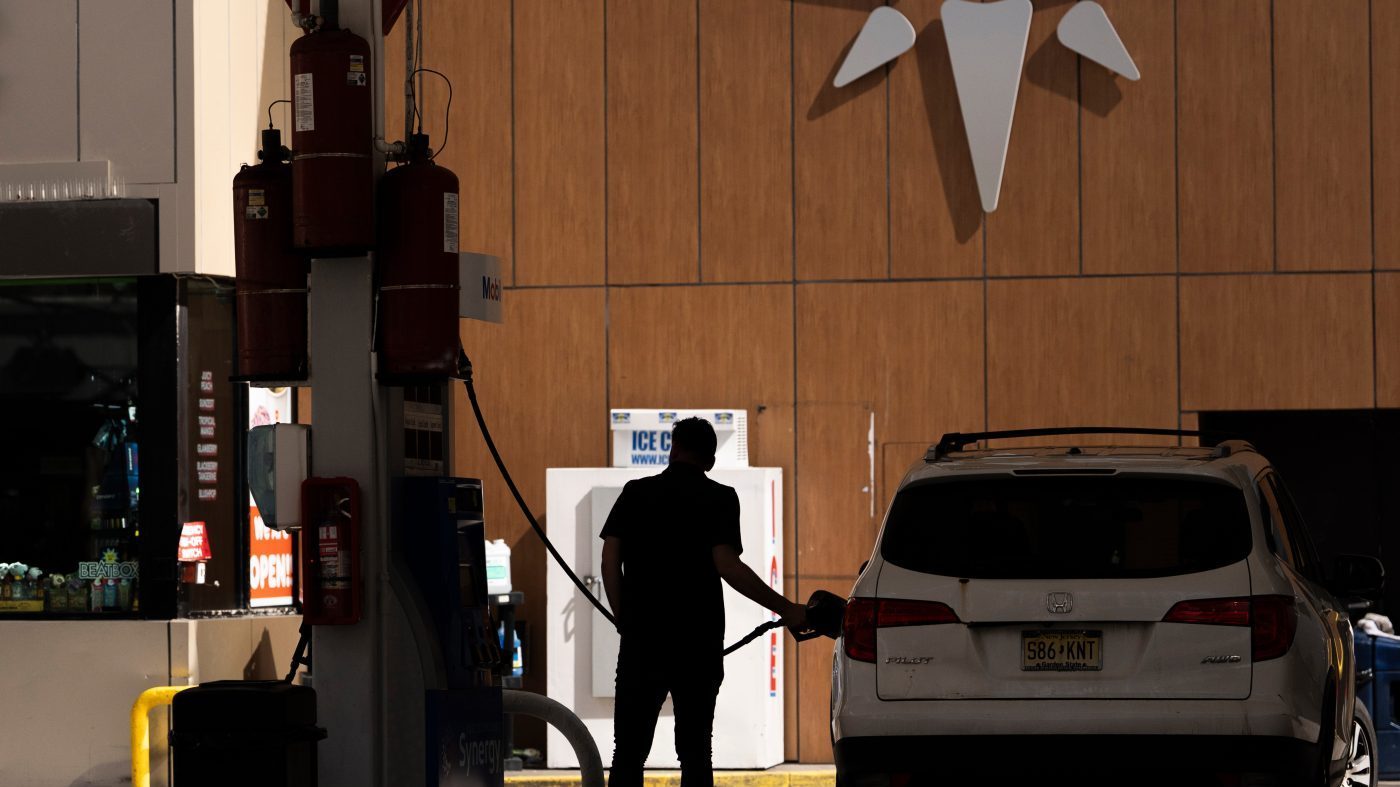
Energy prices climbed 0.7% in October, while food prices rose 0.5%. Electricity costs saw their biggest monthly jump since April, surging 0.9%.
The FOMC raised rates by a quarter point in September, and held them steady at 3.75%–4% in late October, as officials try to bring inflation down to their 2% target after more than five years of above-target price growth.
"Economic activity is strong, the labor market is stable, but inflation is too high, well above the FOMC's 2 percent goal," Waller noted.
Market traders are currently pricing in a 90.5% chance of a quarter-point hike in December and only a 9.5% probability of a half-point increase, according to the CME FedWatch tool. Following Waller's remarks and the CPI release, Treasury yields spiked, with the 10-year note topping 5% for the first time in a week and the 30-year bond reaching its highest level since late October.
Waller's comments add to a growing debate among policymakers about the pace of tightening, especially as the Fed's credibility on inflation is under scrutiny. His openness to a larger move could signal a more hawkish tilt within the FOMC, which has been navigating a delicate balance between curbing inflation and avoiding a recession.
The upcoming December meeting will be closely watched, with investors and analysts parsing every data point for clues about the Fed's next steps. As Congress faces its own December deadline on other economic fronts, the central bank's decision will carry significant weight for markets and households alike.
Waller's remarks also come amid broader political shifts, as the GOP's 2028 race begins to take shape after recent midterm losses, and as new White House chief of staff appointments signal an unyielding stance on key policy fronts. The Fed, however, remains formally independent, and its decisions are driven by economic data rather than political calendars.