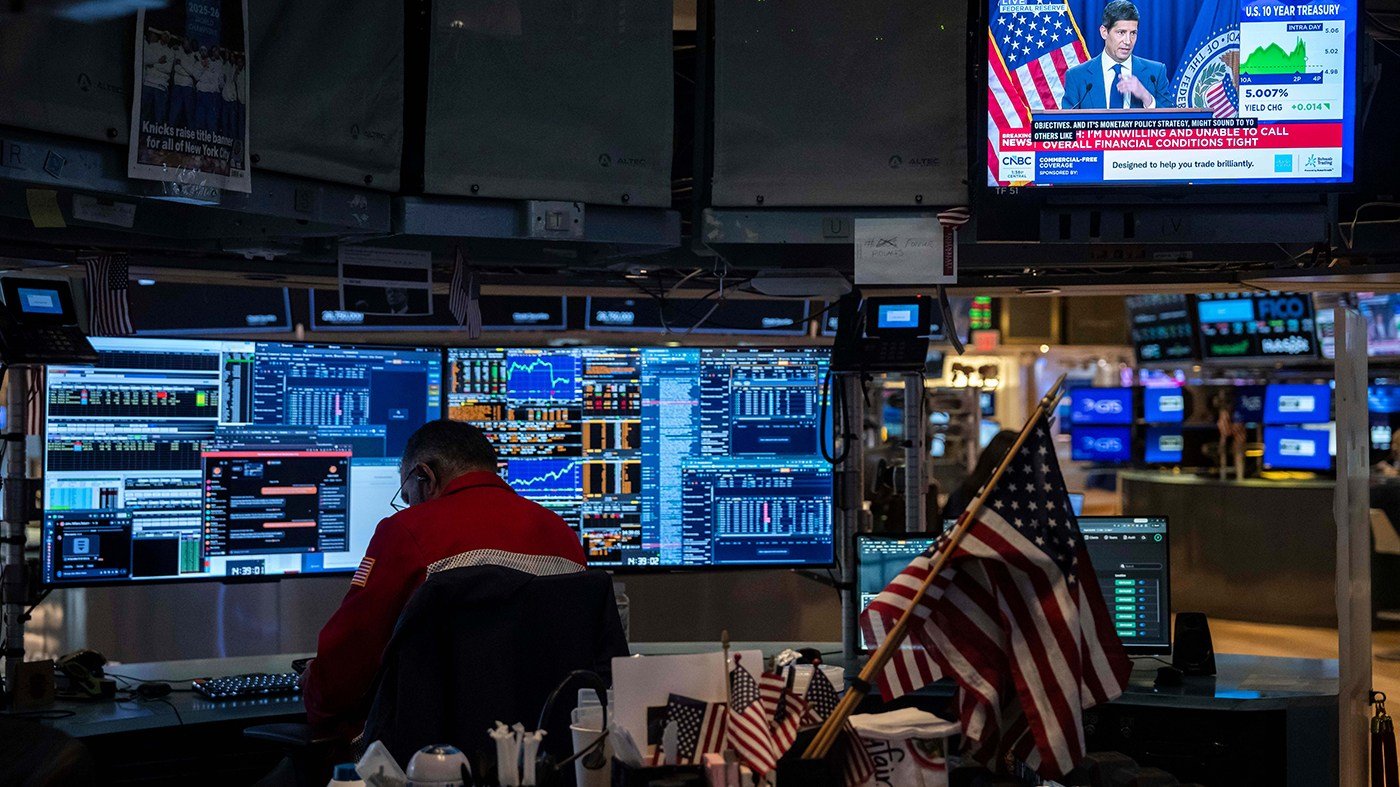
New data from the Bureau of Labor Statistics (BLS) released Tuesday shows that consumer prices climbed 0.4% from September to October, marking a continued upward trend in inflation. The consumer price index (CPI) reading, however, lacked the usual year-over-year comparison because the federal government shutdown, which lasted a record-breaking 35 days, prevented the collection of October 2025 data.
The monthly increase was slightly higher than the 0.2% advance projected by the Federal Reserve Bank of Cleveland. On an annual basis, the Cleveland Fed had forecast a 3.7% rise, but that figure remains unverified due to the data gap.
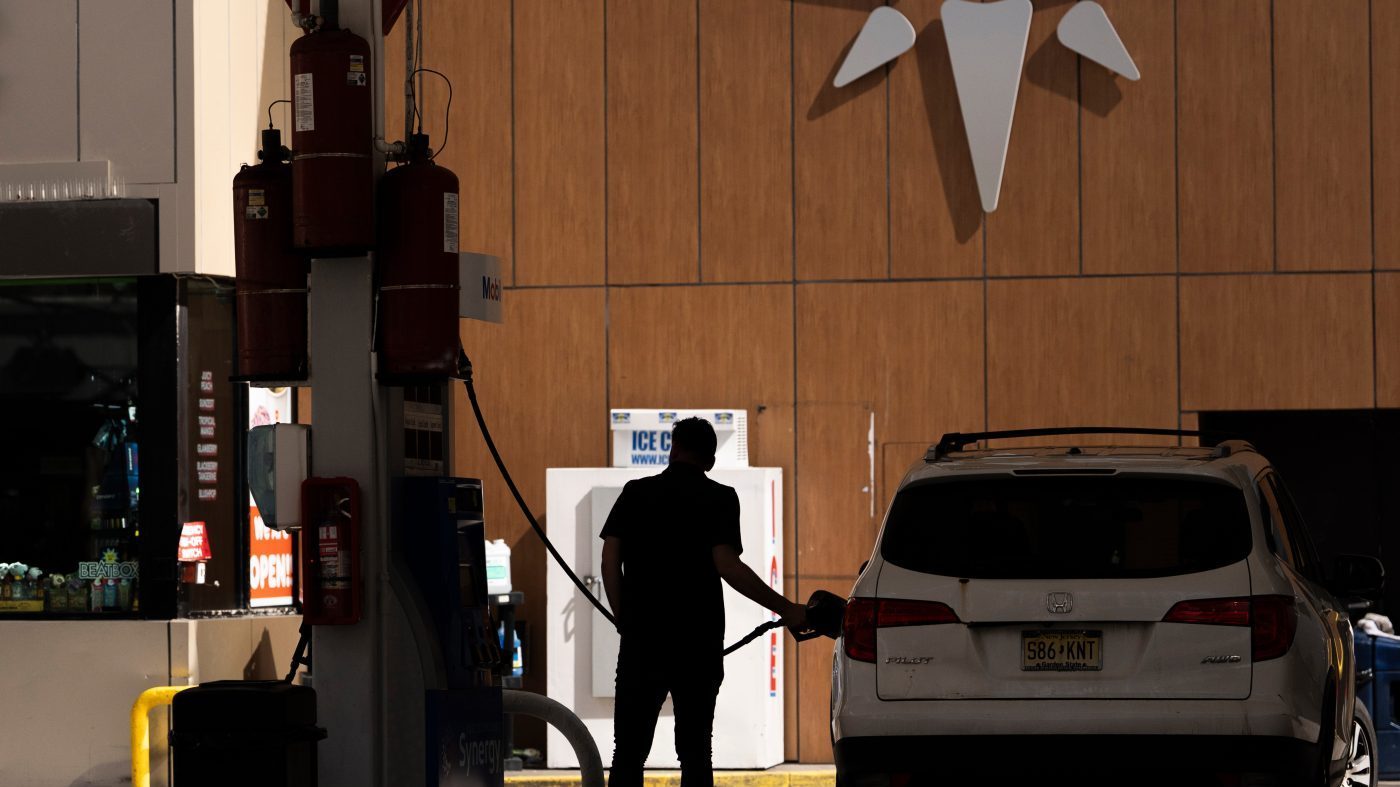
Energy costs were a major driver, with gasoline prices up 1% in October after a 9.1% surge in September. According to AAA, the average price for a gallon of regular gas stood at $3.98 on Tuesday, down nearly 40 cents from a month ago but roughly 80 cents higher than a year earlier. Diesel prices have also climbed, now $2.42 more per gallon than last year, reflecting the ongoing impact of the Iran conflict on global fuel markets.
The war in Iran, now in its ninth month, has sent shockwaves through energy markets, contributing to voter anxiety and political fallout. High fuel costs were a key factor in the Democrats' recapture of both chambers of Congress in last week's midterm elections. Decision Desk HQ has yet to call all races, but projections give Democrats a 259-176 majority in the House and a 55-45 edge in the Senate.
President Trump, while acknowledging the political price his party paid, defended the decision to strike Iran. "This, historically, for history, will go down as one of the best things we ever did," Trump told reporters on Sunday, adding that a nuclear-armed Iran would "blow up the world."
Beyond energy, food prices also rose 0.5% in October. Core inflation, which excludes volatile food and energy categories, increased 0.3% from September to October, with the annual core rate at 2.6%.
Persistent inflation has prompted the Federal Reserve to tighten monetary policy. In September, the Fed raised interest rates by a quarter point, the first hike since July 2023. Last month, the Federal Open Market Committee (FOMC) voted 10-2 to hold rates steady, with Chair Kevin Warsh stating the pause would allow officials to assess incoming data.
Market expectations for another quarter-point hike at the December 8-9 FOMC meeting are high, with traders pricing in an 84.2% probability, according to the CME FedWatch tool. The October jobs report, which beat forecasts, has reinforced the case for further tightening.
As inflation continues to squeeze households, the political and economic stakes remain elevated. The Biden administration has pointed to recent declines in gas prices as a sign of easing, but the broader trend suggests that price pressures are far from contained.