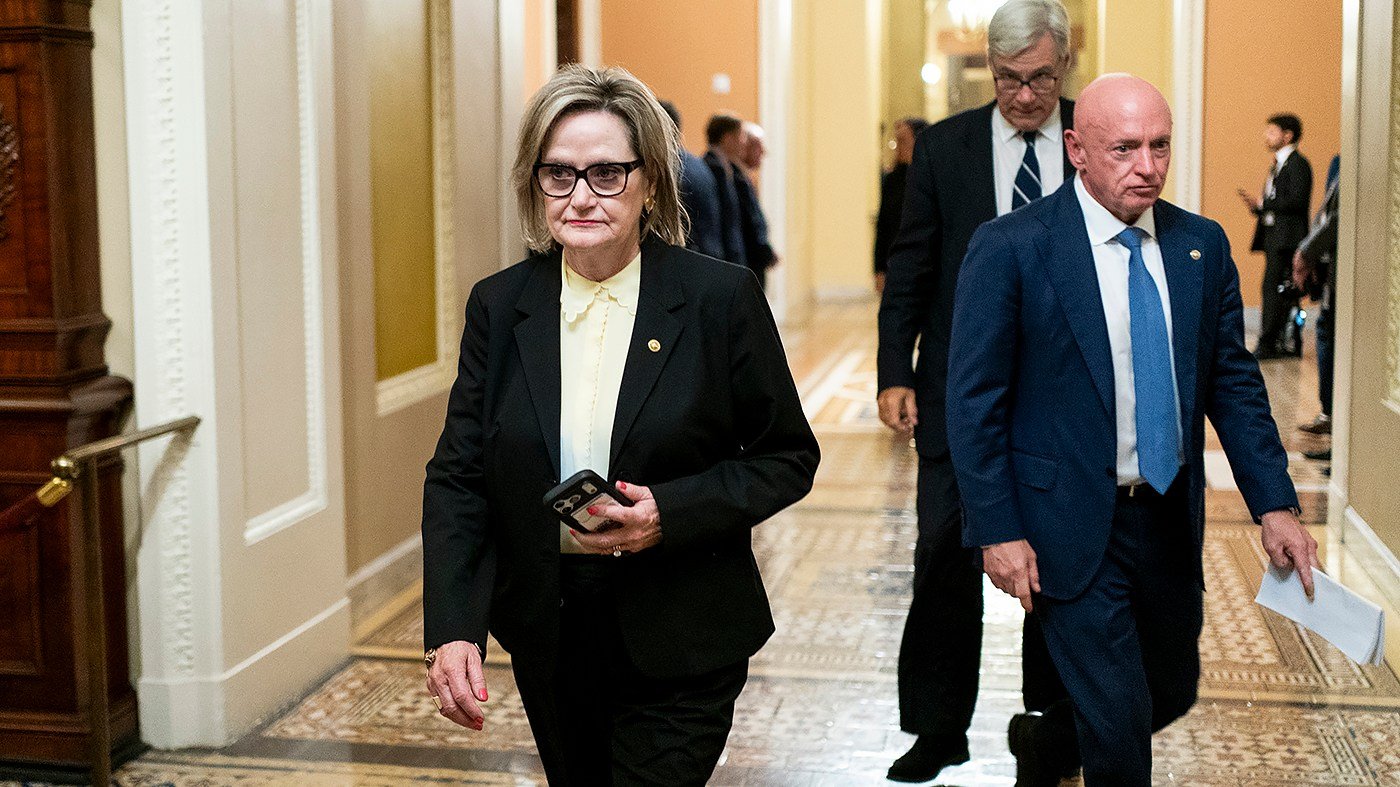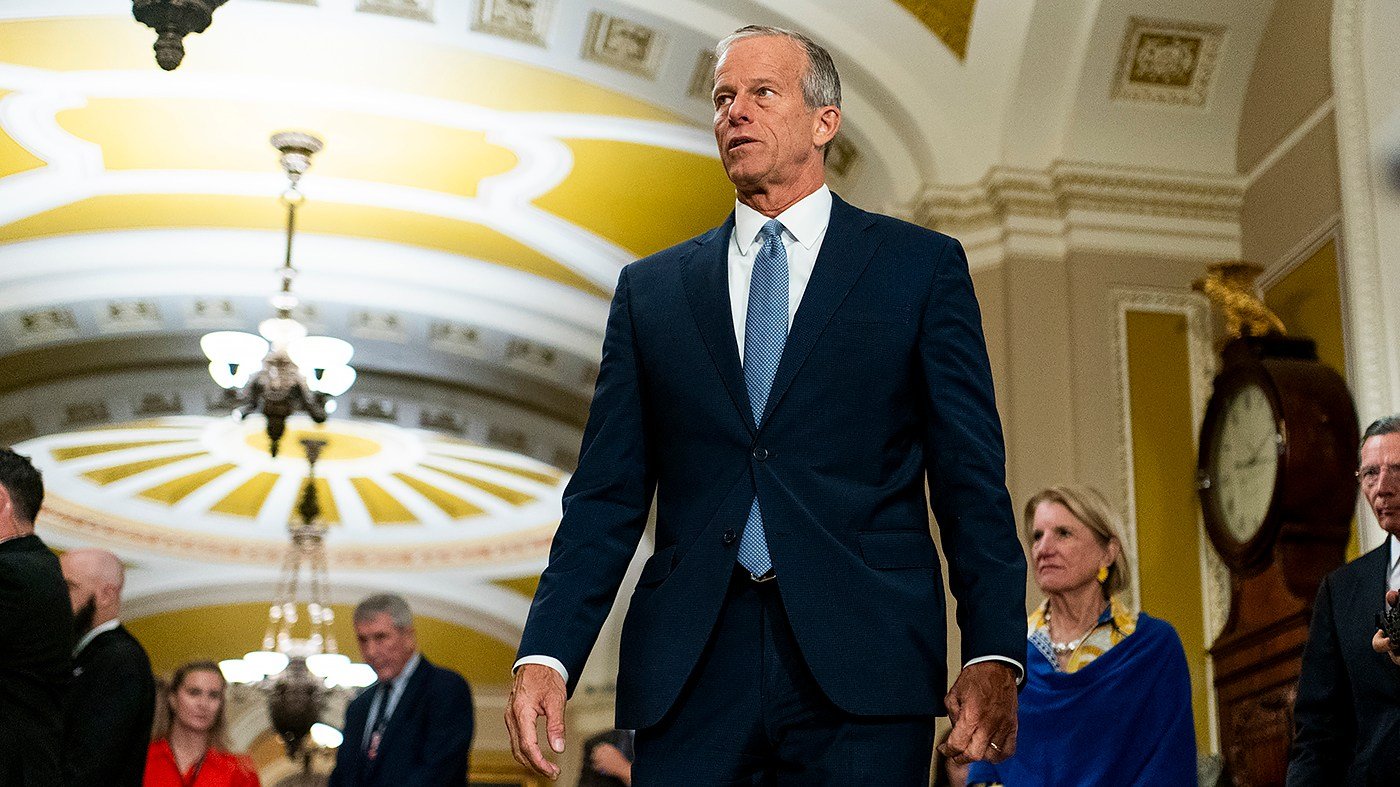
Sen. John Thune of South Dakota secured another term as the Senate Republican leader on Tuesday, overcoming a fierce challenge from conservative colleagues who demanded a strategic overhaul after the party's devastating midterm losses. The leadership vote, initially expected to be a formality, turned into an all-day affair marked by walkouts, heated debate, and pointed criticism of the GOP's direction.
The Senate Republican conference announced at 3:40 p.m. that Thune had been re-elected "by acclamation," but the path to that outcome was anything but smooth. A handful of senators, led by Budget Committee Chairman Ron Johnson of Wisconsin, had threatened to derail the vote unless Thune first laid out a detailed plan for the lame-duck session and beyond.

Johnson, who has repeatedly clashed with Thune over the use of budget reconciliation to fund the Pentagon, walked out of the meeting after his motion to delay the leadership election was rejected. He was joined by Senate Steering Committee Chairman Rick Scott of Florida and Sen. Mike Lee of Utah, who pressed Thune to commit to bringing a reconciliation package to the floor during the lame-duck period—one that would include the SAVE America Act, an election security bill requiring proof of citizenship for voter registration and photo ID at the polls.
The conservatives also lobbied to cancel the Thanksgiving recess to maximize legislative days. But Thune, focused on confirming 23 judicial nominees and more than 100 executive branch picks, as well as avoiding a government shutdown on Dec. 11, declined to make those concessions. He remained silent for the first two hours of the morning session, during which senators discussed the party's electoral collapse.
Sen. Josh Hawley of Missouri added his voice to the calls for delay, arguing that Republican leaders had failed to address economic concerns. "If you don't think after losing seven Senate seats, minimum, that we need to change course, I don't know what planet you're on," Hawley said. "What did we do to get the price of gas down? Nothing. What did we do to get the price of healthcare down? Nothing."
Sen. David McCormick of Pennsylvania, a moderate from a key swing state, also backed postponement. "A week ago, we had the worst election results in decades. We need a discussion about what went wrong, how we fix it, what we stand for, and how our agenda must focus on the concerns of the American people," he said.
Despite the pressure, the majority of the conference voted to proceed, eager to end the intraparty squabbling. Many Republicans blame the midterm rout on President Trump's unpopularity, the fallout from the Iran war, and voter anger over corruption—issues that also hit close to home. Sen. John Cornyn of Texas, a former rival of Thune, pointed to the "corruption" factor in the Texas Senate race, where Democrat James Talarico defeated GOP incumbent Ken Paxton. "Corruption was an issue not only at the local level or the state level but also at the national level, too," Cornyn told reporters.
Some Republicans also criticized Trump for backing weak candidates in ruby-red states like Texas and South Carolina, where Sen. Darline Graham narrowly survived her primary but lost in November. The conservative faction, however, argues that the party's problems go beyond Trump, and they are demanding a clear strategy for the coming weeks and the next Congress.
Thune's re-election, while assured, leaves the conference divided. As he moves forward, he faces the challenge of uniting a caucus that is deeply split over how to respond to the election results and how to handle the final weeks of GOP control. The leadership vote was expected to be followed by a broader discussion on policy priorities, but no further challenges emerged.
The internal GOP turmoil mirrors similar dynamics in the House, where Jim Jordan ousted Steve Scalise as minority leader after the midterm bloodbath. Meanwhile, on the other side of the aisle, AOC has withheld her endorsement of Chuck Schumer for Senate majority leader, signaling that Democrats also face leadership questions. As Republicans regroup, the pressure on Thune is far from over.