In 2012, Ken Jouppi, then in his 70s, was preparing to fly a passenger from Fairbanks to Beaver, Alaska, a remote Yukon River village. The passenger had packed a six-pack of beer for her birthday visit to her husband. But Alaska state troopers, acting on a warrant, stopped the flight before takeoff.
Beaver is a dry community, and transporting alcohol into it is a misdemeanor. Jouppi and his passenger each received three days in jail and a $1,500 fine—the minimum penalty. But Alaska went further: it seized Jouppi's Cessna, valued at roughly $95,000, more than 60 times the fine. The state's forfeiture law allows confiscation of any aircraft used to bring alcohol into a dry area, even for a first offense, while trucks are only seized for repeat or large-scale violations.

Now in his 80s, Jouppi has fought the seizure for over a decade. On December 1, the U.S. Supreme Court will hear his case, testing whether such forfeitures violate the Eighth Amendment's prohibition on excessive fines.
The case has drawn attention beyond Alaska because of its implications for civil asset forfeiture nationwide. In 2023, the federal government alone forfeited about $4.5 billion in property, with states adding nearly $300 million. Justice Clarence Thomas has previously warned that such practices 'frequently target the poor.'
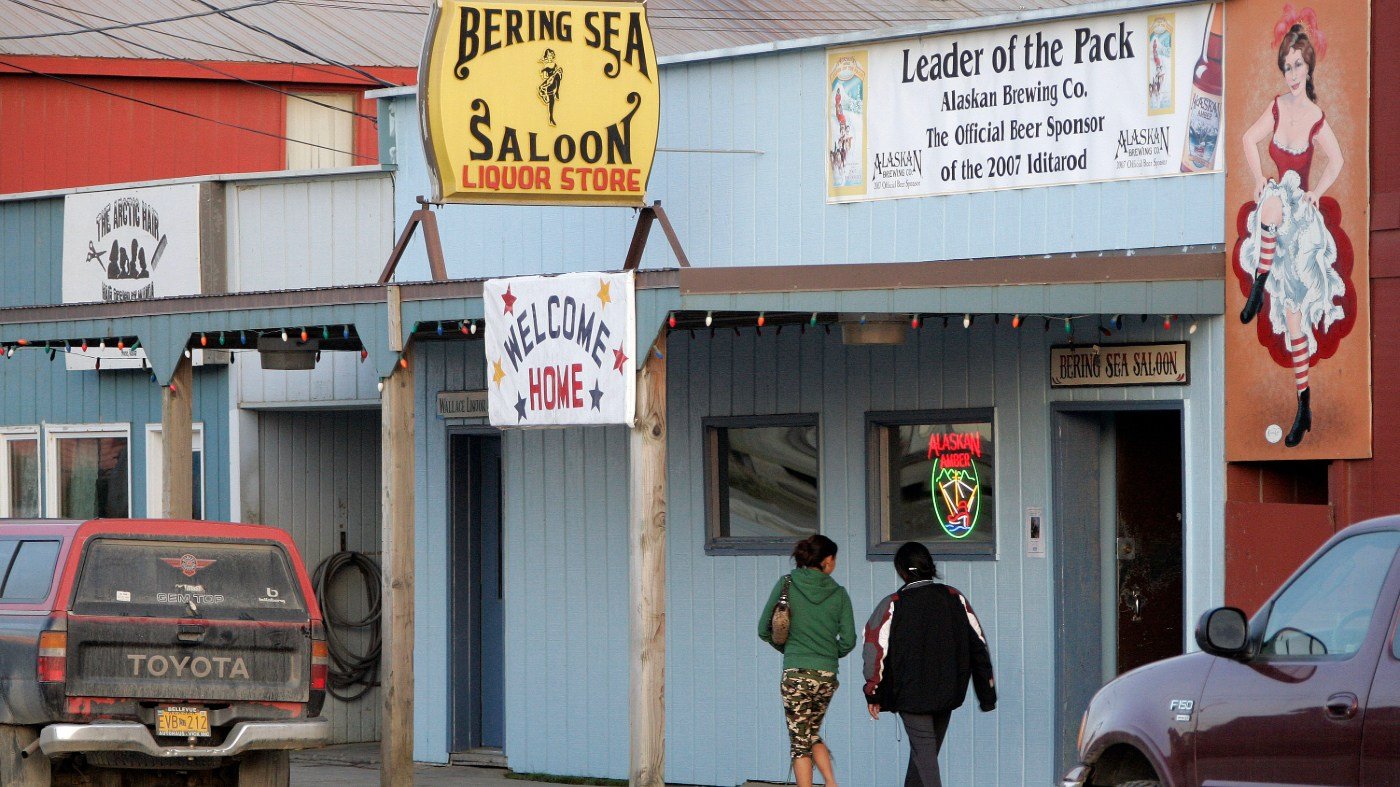
Alaska defends the seizure as necessary to combat alcohol abuse in rural communities, where it has caused devastating harm. Beaver went dry after a young man drank, passed out in sub-zero cold, and choked to death. The state Supreme Court upheld the forfeiture, reasoning that the legislature deemed even a six-pack knowingly imported into a dry village severe enough to warrant forfeiture, and it weighed that harm against the broader toll of alcohol across rural Alaska.
Critics argue that this logic could justify excessive fines for any offense. 'Speeding kills thousands of Americans a year,' noted Brian Daniel Mounce, a law professor at the University of Memphis, who wrote about the case. 'Hold one driver doing 10 miles per hour over up against all of that, and the state could take his car easily.'
The Eighth Amendment's excessive fines clause traces back to the Magna Carta, which promised that fines would be 'according to the measure of the offence.' The principle was echoed in the English Bill of Rights of 1689 and Virginia's Declaration of Rights, which became the basis for the U.S. amendment. In 1799, Judge Paul Carrington, who helped draft Virginia's declaration, wrote that punishment should not exceed 'the real measure of his own offence.'
Mounce argues that Jouppi's punishment should fit his crime: three days in jail and a $1,500 fine. 'Measure the crime and fine against the man,' he wrote. 'Anything less is a chilling overreach of government power, and one that happens to line the government's pockets.'
The Supreme Court's decision could reshape how states and the federal government use forfeiture, particularly when penalties far exceed the underlying fines. As Alaska's political landscape remains in flux, the case also highlights broader tensions over state power and individual rights.