House Republicans used a procedural maneuver to push through a sweeping veterans benefits package on Wednesday, prompting immediate accusations of bad faith from Democrats who had been whipping against the measure. The vote, conducted by voice on Veterans Day, came as a surprise to Democratic lawmakers who said they were still reviewing last-minute changes to the legislation.
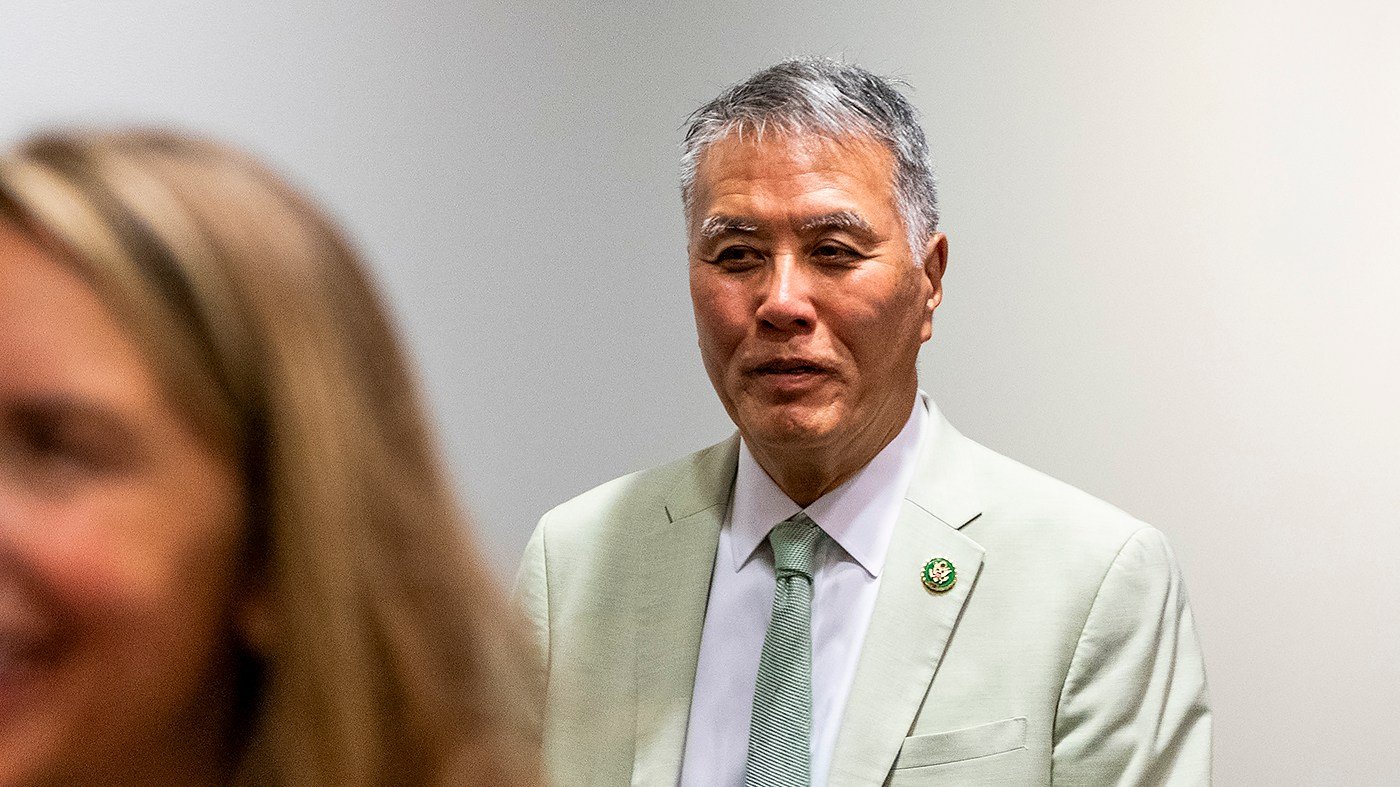
The bill, known as the Take Care of America's Veterans Act, or TCAVA, was brought to the floor by Rep. Addison McDowell (R-N.C.), who was presiding over the chamber. After calling for a voice vote, McDowell declared the measure passed within seconds—without a recorded roll call—despite Democrats having publicly signaled their opposition. Democratic leaders had urged members to vote no, and the ranking member of the House Veterans' Affairs Committee, Rep. Mark Takano (D-Calif.), had been leading the debate against it.

According to a Democratic leadership aide, Republicans requested a private discussion with Takano about “engrossment corrections” to the bill. While Takano and Democratic staff were evaluating those proposed changes away from the podium, Republicans abruptly called the vote. “After publicly announcing a recorded vote on the TCAVA legislation, House Republicans asked if RM Takano and Democrats would agree to last minute engrossment corrections,” the aide said. “While members and staff were evaluating these changes away from the podium, House Republicans called the vote up and passed it by voice within seconds—depriving Democrats of the ability to even evaluate the proposed changes and ask for a recorded vote so Members could vote against the biggest cut to veterans benefits in US history. On Veterans Day of all days, using dirty tricks to steal from Veterans is a disgrace.”
The TCAVA package makes significant changes to veterans' benefits. It revises disability ratings for sleep apnea and tinnitus, expands eligibility for memorial headstones for spouses, establishes a standardized screening process for mental health care admissions, and addresses VA personnel and infrastructure issues. Republicans praised the bill as a historic reform. House Veterans' Affairs Committee Chair Mike Bost (R-Ill.), the bill's sponsor, wrote on X: “This historic package of veterans legislation delivers long overdue reforms to strengthen veterans' healthcare, expand benefits, and cut through VA bureaucracy. Our veterans kept their promise to America, and this Veterans Day, we're delivering for them.”
The legislation had been stalled for months, with divisions among veterans groups. In July, Speaker Mike Johnson (R-La.) pulled it from the floor after it became clear it lacked enough Republican support. The voice vote on Wednesday was a surprise, and it came despite the earlier whipping against it. Some veterans organizations, including Concerned Veterans for America, celebrated the passage. Executive Director John Vick said, “This Veterans Day, Congress did more than thank our veterans for their service and sacrifice. They took meaningful action to honor the promises we made to them. This is the kind of leadership our veterans have waited far too long to see from Washington, and we thank the lawmakers who worked hard to make it happen.”
Democrats are backing an alternative measure, the Major Richard Star Act, sponsored by Takano. That bill would allow roughly 54,000 combat-injured, medically retired service members to receive both retirement pay and VA disability compensation concurrently. It was introduced in 2023 and has been blocked in the Senate by Republicans over cost concerns, but it received a boost this year with an endorsement from Defense Secretary Pete Hegseth. The measure advanced to a final vote scheduled for Thursday after Democrats secured 218 signatures on a discharge petition to force consideration.
The procedural fight on Wednesday is likely to escalate tensions between the parties, especially given the timing on Veterans Day. The Major Richard Star Act is named after an Army combat engineer who died of cancer linked to toxic burn pit exposure. Takano argued on the floor, “It is far past time for us to end the wounded warrior tax and to give our combat wounded veterans the compensation they have earned.”
The passage of TCAVA, though, is not the end of the story. The Senate will need to take up the bill, and Democrats are vowing to continue pushing for the alternative. The Veterans Day events at Arlington underscored the political stakes, with calls for enforceable promises to those who served. The fight over how to honor veterans' sacrifices is far from over.