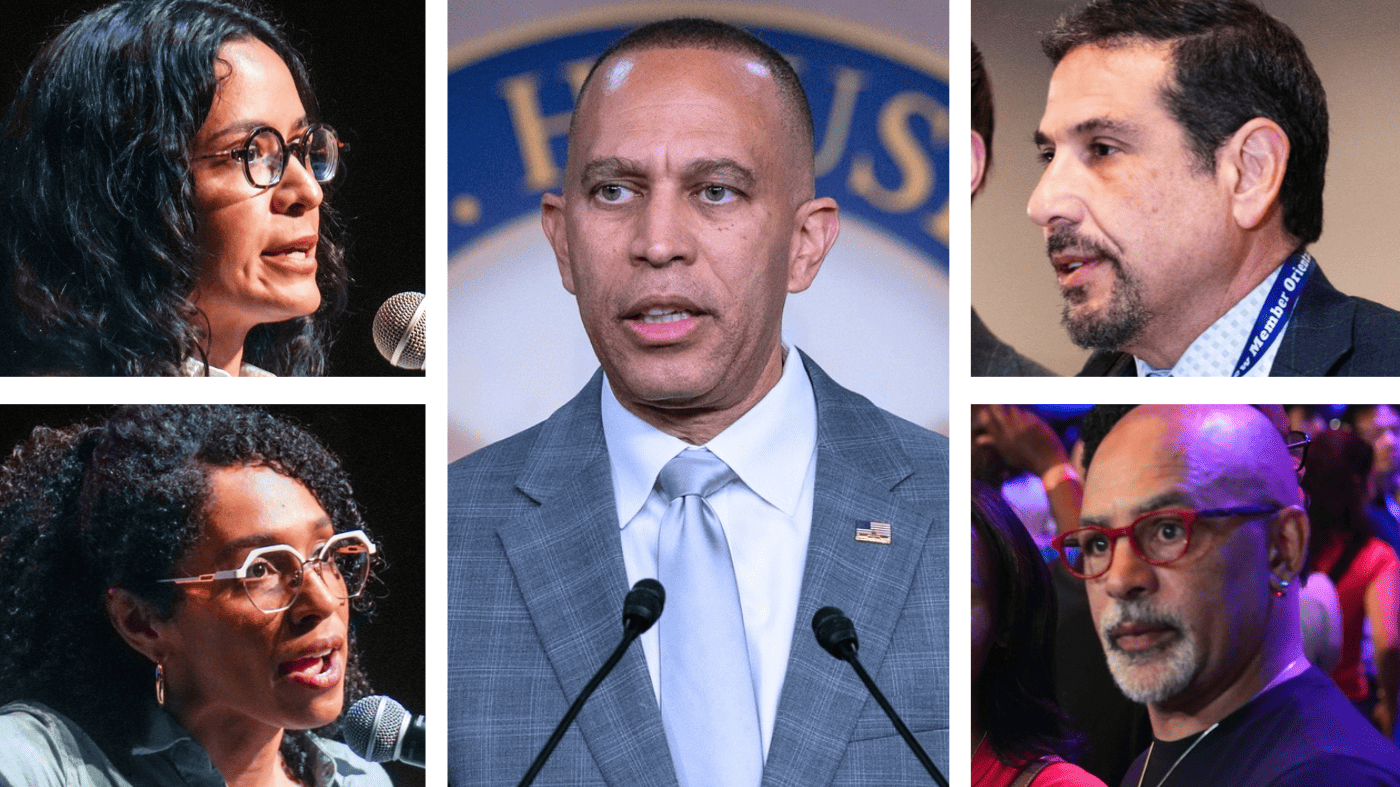
Democrats flipped the Senate by winning seats in traditionally Republican territory, including Texas, Kansas, Iowa, and South Carolina. These newly elected senators campaigned on a promise of independence from party leadership and a willingness to work across the aisle. Several have explicitly rejected progressive priorities like Medicare for All, positioning themselves as centrists.
Conventional wisdom holds that such moderates could become pivotal power brokers in a narrowly divided chamber. But political science research—including my own 2021 book, Life in the Middle: Marginalized Moderate Senators in the Era of Polarization—suggests these senators may find their influence severely constrained.
The Myth of the Centrist Kingmaker
The idea that centrists hold outsized power is persistent. As the center shrinks, the logic goes, their votes become essential, forcing party leaders to negotiate and giving moderates leverage over legislation and nominations. Yet my research, based on voting records, legislative behavior, and interviews with former senators and staff, contradicts this assumption.
Moderate senators often fail to exploit their supposed leverage. On high-profile, party-defining legislation—like the Affordable Care Act—they typically fall in line and vote with their party, even against their stated preferences. They tend to break ranks only on less consequential votes where their defection poses little risk to party goals. They are also less likely to offer amendments or speak on the floor, actions that would signal genuine independence or influence.
The Traceability Trap
Why would senators with so much apparent leverage hesitate to use it? The answer lies in what political scientists call traceability—the ability of voters to connect a legislator's actions to policy outcomes. When a senator publicly negotiates or casts a decisive vote, voters can easily trace that back and hold them accountable.
For senators representing politically divided electorates, this visibility is dangerous. A Democrat from a red state must cobble together a coalition of base voters, anti-Trump conservatives, and personal supporters—groups that may disagree sharply on policy. Casting the deciding vote on a controversial bill could alienate one side or the other; compromise might disappoint both. The safest strategy is often to keep one's fingerprints off the legislation entirely.
The 2026 Freshman Class
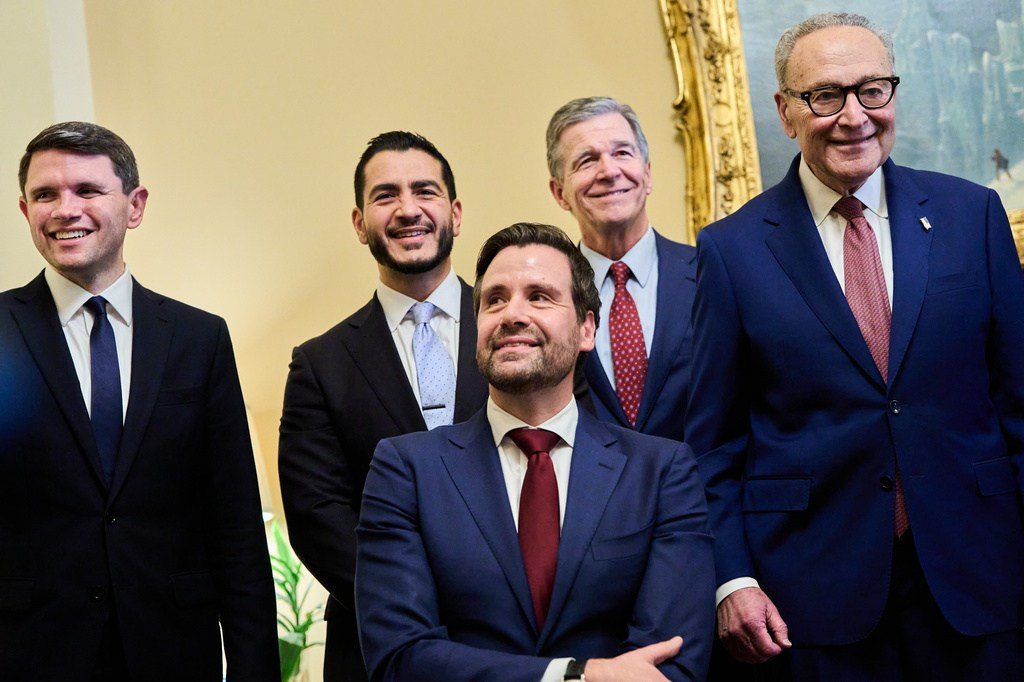
This dynamic is now playing out with the new Democratic senators. In Kansas, Adam Hamilton, a former Republican and mega-church pastor, defeated Roger Marshall, pledging to be an "independent-minded Democrat." In Texas, James Talarico beat Ken Paxton, stressing his willingness to challenge his own party. At a CNN town hall, he insisted he was running to represent Texans, not the Democratic Party.
North Carolina's Roy Cooper, a popular ex-governor, touted his bipartisan record, including Medicaid expansion. Iowa's Josh Turek highlighted his willingness to criticize Democrats when warranted.
These senators share a common challenge: retaining voters who agree on the need for change but disagree on what it should look like. As the Democratic majority pushes forward on its agenda, these moderates will face intense pressure to deliver for their party while also protecting their fragile coalitions.
For more on the internal dynamics of the new Congress, see freshman Democrats' promises to break from Washington norms and the challenge to Schumer's leadership.
The evidence suggests that the new moderates' promise of independence may be more rhetorical than real. As they navigate the treacherous waters of a polarized Senate, their true power—and their willingness to use it—will be tested.