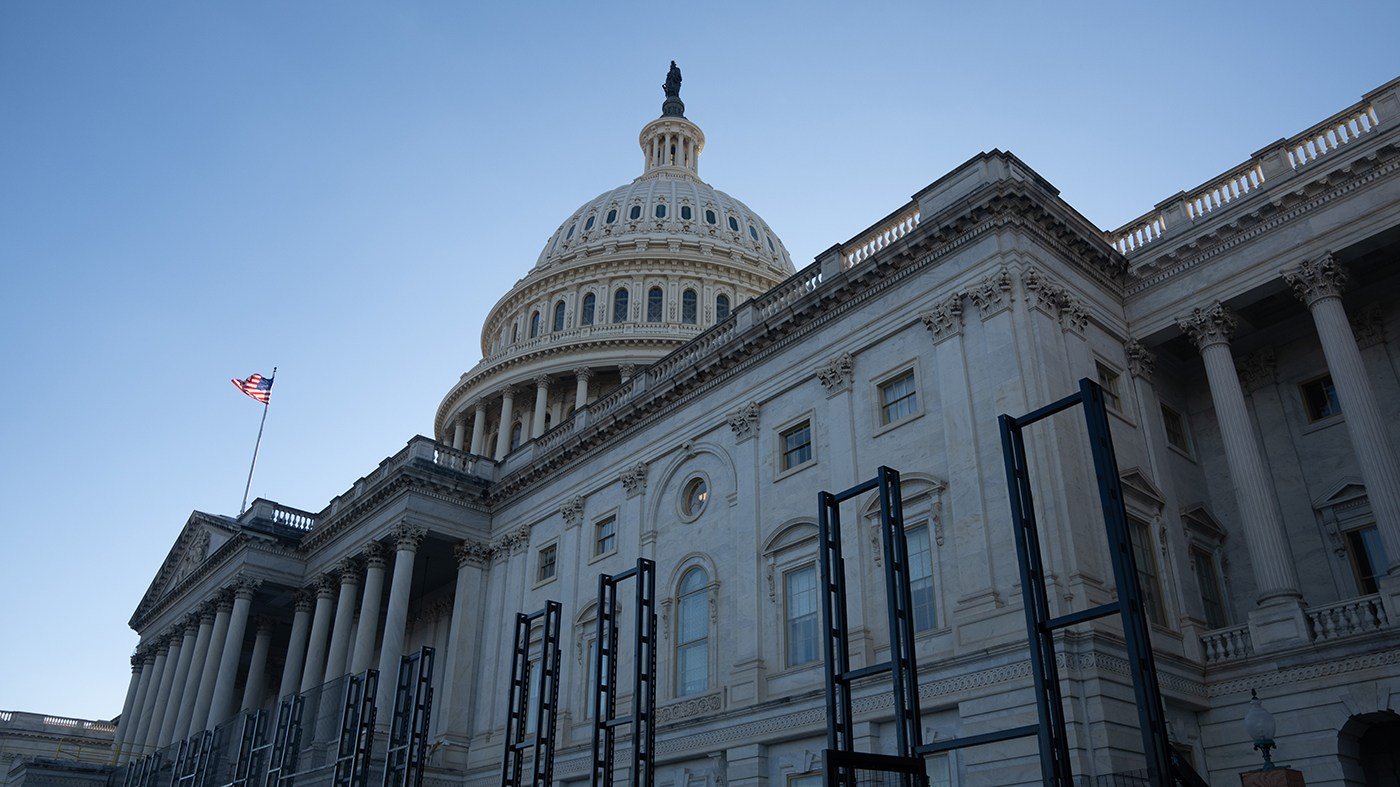
The Education Department on Wednesday highlighted the outcomes of its 14 interagency agreements, showcasing changes to student loan servicing, civil rights enforcement, and K-12 funding as the Trump administration continues its push to dismantle the agency.
Over the past year, the department has signed agreements with the Treasury, State, Labor, Justice, and Health and Human Services departments to transfer some responsibilities, a move critics say is an attempt to bypass Congress and weaken the department from within.
Defaulted loans and new support center
One of the key achievements touted is the creation of the Defaulted Loans Support Center, a joint effort with the Treasury Department. The center provides resources to help borrowers in default get back on track, with 89% of early users reporting that the new rehabilitation process was easy, according to the department.
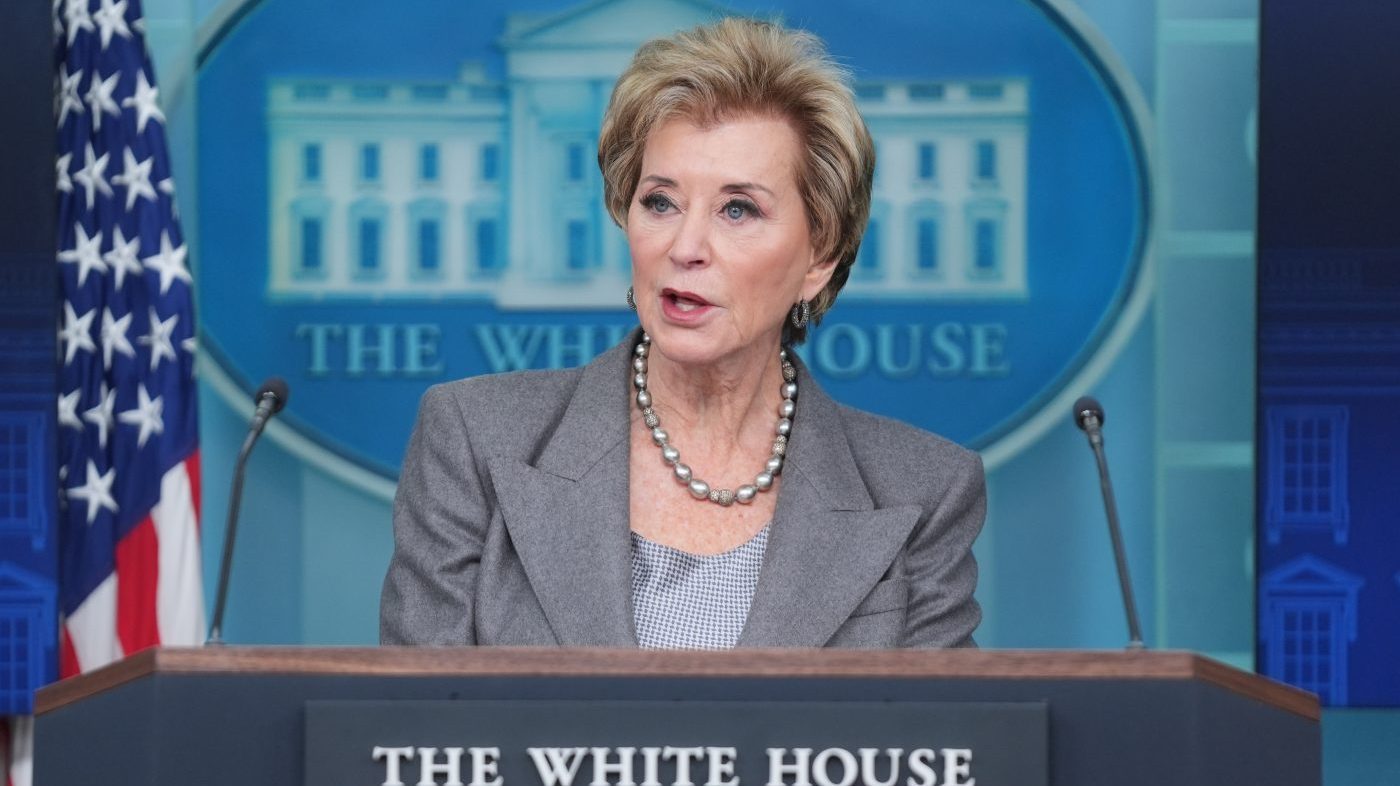
“For too long, Washington measured success by how many rules it wrote rather than how well students were doing,” said Education Secretary Linda McMahon. “By working together across six federal departments this past year, we have delivered meaningful wins for families — cutting through the red tape that stands in the way of learning, connecting classrooms to careers, and bolstering enforcement of federal law. Congress now has an opportunity to cement these reforms into law and help return education decisions where they belong: with parents, teachers, and local communities.”
Investments and civil rights
The partnership with the Labor Department led to $425 million in investments aimed at boosting literacy, expanding charter schools, supporting career-connected learning, strengthening teacher preparation, and modernizing state assessments. The department also highlighted its work with the Justice Department to streamline the civil rights complaint resolution process, which it says has led to more effective enforcement.
However, the interagency agreements have drawn criticism from opponents who argue they are confusing and do not actually reduce red tape. The department has also taken drastic steps, including firing half its workforce, in line with President Trump’s goal to abolish the agency.
Congressional roadblock and Democratic pushback
Fully shutting down the Education Department would require an act of Congress, an unlikely prospect after Democrats won control of the House and Senate in this month’s midterm elections. Democrats have vowed to investigate the agreements, citing concerns about unresolved civil rights cases and the legality of the transfers.
In its announcement, the department also highlighted its partnership with HHS, emphasizing that it remains the lead agency for oversight of programs for students with disabilities and that all funding allocations reached states on time. The two agencies awarded 40 new grants totaling $71 million to help low-income college parents access child care.
“President Trump and Secretary McMahon are cutting red tape and putting families first,” said HHS Secretary Robert F. Kennedy Jr. “HHS is helping strengthen services for students with disabilities, expand affordable child care for parents earning degrees, and support early learning. We’re making federal agencies work together to deliver for American families.”
Other progress highlighted included strengthening tribal relations, grants to employment-focused programs, and protecting student privacy. As the political battle over the department’s future continues, these interagency agreements are likely to remain a flashpoint in the upcoming Congress.